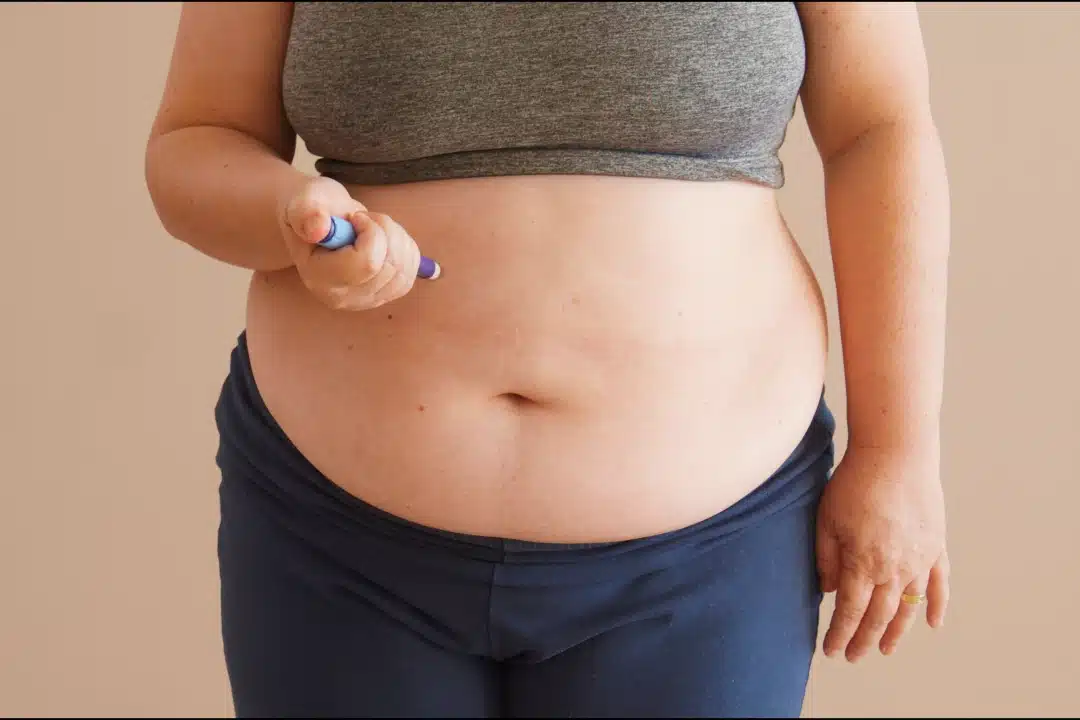
Weight-loss injections are prescription medicines that can help eligible adults manage hunger and reduce body weight alongside changes to eating habits and physical activity. This guide compares three weekly options: Novo Nordisk’s semaglutide injection for type 2 diabetes, its semaglutide formulation for weight management, and Eli Lilly’s tirzepatide injection. These treatments differ in their approved uses, dosing schedules and clinical evidence.
At Edwin Lim Medical Aesthetic Clinic, treatment begins with an in-person medical assessment. This guide explains how the injections work, how the weekly options compare, who may be suitable and what to expect during treatment. It covers semaglutide 2.4 mg and the higher 7.2 mg option, alongside oral alternatives, muscle preservation and planning for weight maintenance.
Semaglutide and tirzepatide act on hormone pathways involved in appetite and blood glucose regulation. Semaglutide activates the glucagon-like peptide-1, or GLP-1, receptor. Tirzepatide activates both GLP-1 and glucose-dependent insulinotropic polypeptide, or GIP, receptors, which is why it is described as a dual GIP/GLP-1 treatment.
These medicines influence appetite signals, helping some people feel satisfied with smaller portions and less hungry between meals. They also slow stomach emptying, particularly early in treatment, and help regulate insulin release when blood glucose is elevated. Their effect on appetite can make it easier to sustain a lower calorie intake, although the degree of appetite change varies.
Weight reduction develops over time as part of this change in food intake. The injections do not selectively dissolve abdominal fat or replace the need for adequate nutrition. A useful treatment plan therefore combines appetite support with eating patterns and activity that protect health as weight decreases.
Which Weekly Weight Loss Injections Are Available in Singapore?
Both semaglutide injections contain the same active ingredient, but one is registered for type 2 diabetes and the other for weight management, with different dosing schedules. Tirzepatide is a different medicine that acts on both GIP and GLP-1 receptors.
Weekly Injection
Registered Use in Singapore
Main Difference
Novo Nordisk’s semaglutide diabetes injection
Type 2 diabetes
Using this formulation solely for weight loss is outside its diabetes indication.
Novo Nordisk’s semaglutide weight-management injection
Weight management in eligible patients; cardiovascular risk reduction in a defined patient group
The 2.4 mg weekly dose has established weight-management evidence. Treatment starts lower and is increased gradually; 7.2 mg is a higher-dose option for selected adults.
Eli Lilly’s tirzepatide injection
Adult weight management and type 2 diabetes under the respective prescribing criteria
Acts on both GIP and GLP-1 receptors; weekly strengths range from 2.5 mg to 15 mg, with gradual dose increases when needed.
Novo Nordisk’s Weekly Semaglutide Diabetes Injection
This once-weekly semaglutide injection is registered in Singapore for treating insufficiently controlled type 2 diabetes. It can also reduce appetite and body weight, but using this diabetes formulation solely for weight loss is outside its registered diabetes indication. Your doctor should explain the reason for considering it and whether a formulation registered for weight management would be more appropriate.
In Singapore, this formulation uses weekly doses of 0.25 mg, 0.5 mg and 1 mg. Treatment starts at 0.25 mg once weekly for four weeks before increasing to 0.5 mg. If further blood glucose control is needed, the dose may be increased to 1 mg after at least four weeks at 0.5 mg, following medical review. The appropriate ongoing dose depends on treatment response and tolerability.
Novo Nordisk’s Once-Weekly 2.4 mg Semaglutide for Weight Management
Novo Nordisk’s once-weekly semaglutide formulation is intended for weight management in eligible patients. Its dose-escalation schedule progresses through 0.25 mg, 0.5 mg, 1 mg, 1.7 mg and 2.4 mg once weekly. Treatment starts at 0.25 mg, with increases usually made at four-week intervals to allow the body time to adjust. The 2.4 mg dose is the established dose studied in its pivotal weight-management trials; it is not the starting dose.
Your doctor reviews response and tolerability before each increase and may delay escalation if side effects persist. The ongoing plan follows the prescribing guidance for the product supplied. The aim is worthwhile clinical benefit with manageable side effects, rather than increasing the dose regardless of how you feel.
A higher 7.2 mg weekly dose is available through our clinic for suitable adults with obesity. Singapore’s National Drug Formulary allows escalation after at least four weeks on 2.4 mg. It is a later option following medical review, not a starting dose or an automatic next step.
STEP UP found greater average weight reduction than with 2.4 mg, alongside more gastrointestinal symptoms and altered skin sensations. Additional benefit must be weighed against tolerability; local dosing guidance advises reducing to 2.4 mg if 7.2 mg produces no additional clinical improvement in body weight.
Tirzepatide acts on both GIP and GLP-1 receptors. The Singapore-registered four-dose KwikPen has indications for adult weight management and for type 2 diabetes under its respective prescribing conditions. Our clinic supplies the Singapore-registered presentation, with DKSH Singapore as the product registrant.
The pen comes in six dose strengths: 2.5 mg, 5 mg, 7.5 mg, 10 mg, 12.5 mg and 15 mg per weekly injection. These figures refer to each weekly dose, rather than the total amount of medicine in the four-dose pen.
Treatment starts at 2.5 mg once weekly for four weeks, followed by 5 mg weekly. Further increases, when needed, are made gradually in 2.5 mg steps after at least four weeks at the current dose. Your doctor assesses treatment response, side effects and tolerability before recommending an increase. Progressing to the highest dose is not an automatic goal.
How Much Weight Can You Lose With Weekly Injections?
Clinical trials help establish what a treatment can achieve, but the result depends on the dose, study population and length of follow-up. The following trials included dietary and physical-activity support. Their headline results were measured after more than a year, rather than after one pen or the first month of treatment.
Study and Population
Weekly Treatment
Average Weight Reduction
STEP 1: adults with overweight or obesity, without diabetes
Semaglutide 2.4 mg
14.9% at 68 weeks; placebo 2.4%
SURMOUNT-1: adults with overweight or obesity, without diabetes
Tirzepatide 5, 10 or 15 mg
15.0%, 19.5% and 20.9%, respectively, at 72 weeks; placebo 3.1%
STEP UP: adults with obesity, without diabetes
Semaglutide 7.2 mg or 2.4 mg
18.7% and 15.6%, respectively, at 72 weeks; placebo 3.9%
Percentage weight loss is calculated from starting body weight. For example, a 15% reduction from 100 kg equals 15 kg. This illustrates how to interpret the figures; it is not a prediction of an individual patient’s result.
These averages include the effect of some participants stopping treatment during the study. Separate trials cannot establish which medicine is better because their participants and methods differ. Results apply to the doses and populations studied, so semaglutide 2.4 mg results should not be assumed for lower diabetes doses. They are not guaranteed individual outcomes.
What Does the Direct Tirzepatide Versus Semaglutide Trial Show?
SURMOUNT-5 directly compared the two medicines in adults with obesity without type 2 diabetes. Participants used their maximum tolerated weekly dose of tirzepatide 10 mg or 15 mg, or semaglutide 1.7 mg or 2.4 mg. Average weight reduction at 72 weeks was 20.2% with tirzepatide and 13.7% with semaglutide.
This was an open-label study, meaning participants and investigators knew the assigned treatment. It did not compare tirzepatide with semaglutide 7.2 mg. Consequently, its results should not be used to claim that one medicine is superior at every dose, or that someone doing well on semaglutide should necessarily switch.
How Should the Semaglutide 7.2 mg Results Be Interpreted?
In STEP UP, 7.2 mg produced about 3.1 percentage points more average weight reduction than 2.4 mg in the analysis shown above. This does not mean that someone already taking 2.4 mg will lose an additional 3.1% after increasing the dose: the trial compared groups assigned to treatment from the outset. Further details of the analyses are covered in the dedicated 7.2 mg guide linked above.
How Soon Will You Notice a Change?
Some patients notice reduced hunger early, while others experience a more gradual change as treatment progresses. The first weeks are primarily an opportunity to assess tolerability and establish the prescribed routine. Weight does not necessarily fall at a steady rate each week, and a short plateau does not by itself establish treatment failure.
Reviews should consider the weight trend alongside waist measurements where relevant, eating patterns, side effects and health goals. A dose increase is not the only response to slower progress; maintaining a clinically useful reduction can also be a worthwhile outcome.
Who Is Suitable for Weight Loss Injections?
For adult weight management, the registered semaglutide weight-management formulation and tirzepatide generally use an initial BMI of at least 30 kg/m², or at least 27 kg/m² with a weight-related medical condition. Examples include high blood pressure, abnormal cholesterol, prediabetes, type 2 diabetes and obstructive sleep apnoea. The 7.2 mg semaglutide escalation specifically concerns adults with obesity.
BMI is a starting point for assessment rather than a complete treatment decision. Your doctor also considers weight history, existing illnesses, current medicines, previous treatment response and whether the expected benefits justify the risks. Diabetes is not required for a weight-management indication when the relevant criteria are met.
Do Lower Asian BMI Thresholds Mean You Qualify?
Asian populations can develop metabolic health risks at lower BMI levels. This can justify earlier assessment of blood pressure, glucose and other risk factors, but it does not automatically replace a medicine’s prescribing criteria. A BMI of 23 kg/m² alone therefore does not establish eligibility for these weight-management injections.
This guide focuses on adults. Treatment for children or adolescents requires age-specific assessment and prescribing criteria, rather than applying the adult doses and thresholds described here.
How Do You Choose Between Semaglutide and Tirzepatide?
The most suitable treatment depends on your medical needs and the practicalities of continuing care. A consultation should establish whether the main indication is weight management, diabetes treatment or both, and consider previous digestive symptoms, relevant eye disease, other medicines and pregnancy plans.
The largest average weight reduction in a study is only one part of that decision. A medicine that controls appetite adequately, supports health goals and is well tolerated may be preferable to one that causes persistent symptoms. Cost and the ability to continue treatment also matter because repeated interruptions can make long-term management more difficult.
There is no direct milligram-for-milligram conversion between semaglutide and tirzepatide. Switching requires a prescribed plan that accounts for the last dose, any interruption and tolerability. Do not combine them or add oral semaglutide to a weekly GLP-1 treatment. If a change is needed, your doctor will explain when to stop the existing medicine and how to begin the replacement.
Are There Health Benefits Beyond Weight Loss?
Treatment may improve blood glucose and other weight-related health measures, but benefits differ between medicines and patient groups. Changes in weight, blood pressure and glucose should be reviewed alongside existing treatment rather than used as a reason to stop other prescribed medicines independently.
Heart Attack and Stroke Risk in Selected Patients
Cardiovascular evidence is particularly relevant for some patients. SELECT studied weekly semaglutide 2.4 mg in adults aged 45 or older with overweight or obesity, established cardiovascular disease and no diabetes. Cardiovascular death, non-fatal heart attack or non-fatal stroke occurred in 6.5% of participants receiving semaglutide and 8.0% receiving placebo over an average follow-up of about 40 months. This corresponded to a 20% relative reduction in the study’s combined outcome.
These findings support benefit in that defined population; they do not mean every person taking a GLP-1 medicine receives the same protection. The result should not automatically be transferred to tirzepatide, lower-dose diabetes pens or semaglutide 7.2 mg. A medical review can identify which evidence is relevant to your own health history.
Prediabetes and the Risk of Developing Type 2 Diabetes
The three-year SURMOUNT-1 analysis studied people with both obesity and prediabetes. Fewer participants developed type 2 diabetes during 176 weeks of tirzepatide treatment than with placebo. This supports a benefit in delaying progression in the group studied, rather than a guarantee of permanent prevention. Glucose monitoring, nutrition and the wider medical plan remain important even when weight and blood sugar improve.
Obstructive Sleep Apnoea
SURMOUNT-OSA found that tirzepatide reduced breathing disturbances during sleep in adults with obesity and moderate-to-severe obstructive sleep apnoea over 52 weeks. This is relevant to people with an established diagnosis, rather than a promise that an injection will resolve snoring. Continue sleep-clinic follow-up and do not stop prescribed positive airway pressure treatment without reassessment.
Certain Forms of Heart Failure in People With Obesity
SUMMIT studied tirzepatide in people with obesity and heart failure with preserved ejection fraction, a condition in which the heart has difficulty relaxing and filling despite a preserved pumping fraction. Treatment reduced the combined outcome of cardiovascular death or worsening heart failure and improved health status. The benefit was mainly driven by fewer worsening-heart-failure events; the trial did not establish a reduction in cardiovascular death alone.
These disease-specific findings can inform treatment discussions, but they are not interchangeable claims for every GLP-1 medicine or dose. A published benefit also does not automatically constitute a separate approved indication in Singapore. Existing conditions should continue to be managed with the relevant treating clinician.
How Much Do Weight Loss Injections Cost in Singapore?
The cost depends on the medicine, prescribed strength and quantity supplied. A starting-dose price should not be assumed to cover every later treatment stage, particularly when a higher ongoing dose is prescribed.
At Edwin Lim Medical Aesthetic Clinic, all three weekly options start from $598 before GST per month at their lowest prescribed dose:
Weekly Treatment
Starting Weekly Dose
Starting Medication Price
Novo Nordisk’s semaglutide diabetes injection
0.25 mg
$598 per month before GST
Novo Nordisk’s semaglutide weight-management injection
0.25 mg
$598 per month before GST
Eli Lilly’s tirzepatide injection
2.5 mg
$598 per month before GST
Prices depend on the prescribed dosage. The starting price does not apply to every higher dose, including semaglutide 2.4 mg or 7.2 mg. The tirzepatide starting pen contains four weekly doses, covering a four-week treatment period. Our team can confirm the quantity and duration supplied for each prescription and quote the cost before you proceed.
The initial in-person consultation is $60 before GST. Follow-up consultations are also $60 before GST per consultation and are charged separately from medication. Injection training is included when treatment is prescribed. Blood tests are ordered only when clinically indicated, with any additional charges explained if testing is recommended.
When comparing quotations, check the weekly dose, quantity supplied and separate consultation charges. A four-week supply is not exactly the same as a calendar month, so confirm the treatment period covered by a monthly quotation.
Starting Treatment at Edwin Lim Medical Aesthetic Clinic
Your Initial In-Person Consultation
The first consultation takes place in person at Changi City Point or Lucky Plaza, Orchard. We assess BMI, blood pressure, medical history and current medication, then discuss the available options and what you hope to achieve. Bring a current medication list and relevant medical reports so the assessment can take existing treatment into account.
Blood tests are not compulsory for every patient. They are arranged when there is a clinical reason, such as a concern that needs further assessment before prescribing. The consultation also provides an opportunity to discuss possible side effects, costs and how follow-up will work.
Same-Day Treatment and Injection Training
If the assessment confirms that treatment is appropriate and the prescribed medicine is available, injection training and the first injection can take place during the same visit. If further investigation is needed, your doctor may recommend completing that before starting.
The medicine is injected into the tissue beneath the skin using the prescribed pen. We explain the correct technique and instructions for that presentation so you can continue treatment at home. Previous experience with another pen does not replace training, because devices and dose delivery can differ. The 7.2 mg semaglutide regimen also requires specific instructions for the presentation supplied.
Dose Escalation and Follow-Up
Dose changes follow the schedule for the prescribed medicine and require a review of response and tolerability. At follow-up, we assess weight progress, appetite, food and fluid intake, and any side effects before discussing whether the treatment plan should change.
The first follow-up at our clinic is after completion of the first pen. We assess progress and side effects before discussing the next prescription. For patients progressing well without side effects on a stable plan, routine consultations may subsequently be spaced to every three to four months, according to individual needs. Dose changes, persistent symptoms or nutritional concerns require earlier review.
Nutrition and Muscle Preservation During Weight Loss
Weight loss can include a reduction in lean tissue as well as body fat. When appetite falls substantially, it becomes easier to eat too little protein or miss other nutrients. Supporting muscle strength and adequate nutrition should therefore be part of treatment from the beginning.
Build balanced meals around protein-containing foods such as fish, eggs, tofu, beans, lean meat or dairy, with vegetables, fruit and other fibre-rich foods. Protein needs should be individualised, particularly if you have kidney disease. Regular resistance exercise, adapted to your ability, helps support strength alongside walking or other aerobic activity; extra protein alone does not replace strength training.
Persistent weakness, difficulty eating enough or a decline in physical function should prompt review. The aim is to improve health while reducing excess weight, rather than to pursue the lowest possible food intake or the fastest drop on the scales.
Side Effects and Important Safety Precautions
Common Digestive Symptoms
Nausea, vomiting, diarrhoea, constipation, bloating and abdominal discomfort can occur, especially when starting treatment or increasing the dose. Smaller meals, slower eating and avoiding meals that worsen symptoms may help. Maintain fluid intake and contact the clinic if symptoms persist or interfere with eating and drinking.
Digestive symptoms can improve with time, but a dose increase should be reviewed if they have not settled. Semaglutide 7.2 mg can also cause altered skin sensations, such as tingling, burning or increased sensitivity; these were more frequent than with 2.4 mg in STEP UP.
Medical History and Other Medicines
Tell your doctor about previous pancreatitis, gallstones, severe stomach-emptying problems, kidney or liver disease, diabetic retinopathy and any serious medication allergy. A personal or family history of medullary thyroid cancer or multiple endocrine neoplasia type 2 should also be discussed before prescribing. Product-specific precautions and contraindications need to be checked for the medicine supplied.
Insulin and sulphonylureas can increase the risk of low blood glucose when used with these injections, so the diabetes treatment plan may need adjustment. Slower stomach emptying may also affect some oral medicines. Before anaesthesia or deep sedation, tell the treating team about your injection and follow their individual instructions about medication and fasting.
Pregnancy and Contraception
Weight-management injections should not be used during pregnancy. Discuss pregnancy plans before starting; semaglutide should be stopped at least two months before a planned pregnancy, while tirzepatide requires its own preconception plan. Breastfeeding also requires a separate discussion before treatment is prescribed.
For patients using tirzepatide who rely on an oral contraceptive, additional or non-oral contraception may be needed when starting and after dose increases. The doctor should explain the product-specific advice before treatment, including the relevant four-week periods where applicable.
Eye Symptoms and NAION
Non-arteritic anterior ischaemic optic neuropathy, or NAION, involves reduced blood supply to the optic nerve and may cause sudden, often painless loss of vision. The European Medicines Agency classifies it as a very rare side effect of semaglutide. That classification should not be assumed to establish the same risk for tirzepatide.
Observational research has also raised a possible association involving tirzepatide. Some analyses group semaglutide and tirzepatide together, limiting what can be concluded about either medicine individually. These studies do not establish that tirzepatide causes NAION, and its specific risk remains uncertain.
Tell your doctor about previous NAION or significant eye disease. Diabetic retinopathy is a different condition and may also need monitoring when glucose control changes. Sudden visual loss or rapidly worsening eyesight requires immediate medical assessment, even if there is no pain.
When Should You Seek Urgent Medical Attention?
Withhold further doses and seek urgent assessment for severe, persistent abdominal pain, particularly if it extends to the back, because pancreatitis needs to be excluded. Breathing difficulty or swelling of the lips, tongue or throat requires emergency help for a possible serious allergic reaction.
Repeated vomiting, inability to keep fluids down, very little urine or marked faintness also requires prompt assessment. Upper abdominal pain with fever or jaundice may indicate a gallbladder problem. These symptoms should not be managed by waiting for the next routine consultation.
What Happens When You Stop Weight Loss Injections?
Appetite suppression reduces after treatment stops, and hunger can become more difficult to manage. Weight regain is common, although the amount varies. This reflects the continuing biology of weight regulation and should not be interpreted simply as a failure of willpower.
In the STEP 1 extension, participants regained about two-thirds of their previous weight loss during the year after semaglutide 2.4 mg and the trial’s lifestyle intervention were withdrawn. SURMOUNT-4 also found substantial regain after tirzepatide withdrawal, while those continuing treatment maintained and extended their initial weight reduction. These findings support discussing maintenance before medication is stopped.
How Long Will You Need Treatment?
There is no single treatment duration that suits everyone. Your doctor reviews whether treatment remains beneficial, tolerable and appropriate for your health goals. Reaching a target weight is a reason to review the longer-term plan, rather than automatically stop treatment. Any decision to stop should include a plan for monitoring weight, appetite and nutritional intake.
How Can You Maintain Your Progress?
Before stopping, agree on a plan for regular meals, adequate protein, resistance exercise and activity that you can sustain. Check your weight under similar conditions, for example once weekly, and look for a persistent trend rather than reacting to day-to-day fluctuations. Discuss follow-up arrangements and what change in weight or appetite should trigger an earlier review.
If hunger returns strongly or weight begins rising consistently, contact the clinic before a large amount has been regained. The doctor can review eating patterns, health changes and whether continued medication, an alternative treatment or additional nutritional support would be helpful. Avoid trying to compensate with severe food restriction, which can undermine nutrition and muscle preservation.
No tapering schedule guarantees that weight will stay off. The plan should account for your reasons for stopping, which may include side effects, pregnancy plans, cost or a change in health.
Are Oral Weight Loss Medications an Alternative?
Novo Nordisk’s daily oral semaglutide tablet offers a different way of taking a GLP-1 medicine. The diabetes tablet is registered in Singapore for type 2 diabetes; using it solely for weight management is outside that indication. It has specific fasting and administration requirements, and its dose is not directly interchangeable with a weekly injection.
The tablet has its own clinical evidence, so weight-loss figures from weekly semaglutide 2.4 mg or 7.2 mg trials do not predict the results of a lower-dose oral diabetes tablet. If you prefer tablets, your doctor can explain the relevant indication and likely benefit, and how the daily administration requirements would fit your routine.
New treatments are being studied to act on additional appetite and metabolic pathways. Their results are relevant to the future of weight management, but research findings and overseas regulatory progress should be distinguished from treatment available for routine prescribing in Singapore.
Novo Nordisk’s Cagrilintide and Semaglutide Combination
This once-weekly combination pairs semaglutide with cagrilintide, an amylin analogue that acts on another pathway involved in appetite regulation. In REDEFINE 1, adults with overweight or obesity without diabetes had an average 20.4% weight reduction at 68 weeks, compared with 3.0% with placebo, in the analysis accounting for treatment discontinuation. Gastrointestinal side effects were common.
The combination remains under development and regulatory review as of October 2026, rather than being an established option for routine prescribing in Singapore. Read more about the cagrilintide and semaglutide combination at https://edwinlimclinic.sg/cagrisema-weight-loss-singapore/
Eli Lilly’s Retatrutide Triple-Hormone Injection
Retatrutide acts on GLP-1, GIP and glucagon receptors. Eli Lilly has reported Phase 3 results, including an average 28.3% weight reduction at 80 weeks with 12 mg in TRIUMPH-1 under the trial’s efficacy analysis. These are manufacturer-reported findings from a specific study, not a direct comparison proving superiority over every available injection.
Retatrutide remains investigational as of October 2026, and Lilly states that it is legally available only to participants in its clinical trials. Products marketed online as research peptides should not be treated as an approved alternative. Read more about retatrutide at https://edwinlimclinic.sg/retatrutide-singapore/
Frequently Asked Questions About Weight Loss Injections
Can You Use These Injections Without Diabetes?
Yes, when a weight-management formulation is prescribed and its eligibility criteria are met. The absence of diabetes does not prevent treatment with a medicine registered for weight management, but diabetes-only formulations have different indications.
Do You Need the Highest Dose to Get Results?
No. Treatment is reviewed according to clinical benefit and tolerability. The starting dose allows gradual introduction, while the appropriate ongoing dose depends on the medicine and your response. Increasing the dose despite persistent side effects is not a suitable way to pursue faster weight loss.
What If You Miss an Injection or Stop for Several Weeks?
Follow the instructions for your prescribed medicine and contact the clinic if unsure. Missed-dose windows differ between semaglutide and tirzepatide. After a longer interruption, restarting at the previous dose may cause significant side effects, so obtain advice before resuming. Do not double a dose to compensate.
Can the Injection Target Belly Fat?
These medicines support overall weight management rather than removing fat from a selected area. Injecting into the abdomen does not direct the weight-loss effect to the abdomen. The injection site is chosen according to the medicine’s administration instructions.
Where Can You Arrange Treatment in Singapore?
Our clinic provides in-person assessments at Changi City Point and Lucky Plaza, Orchard. These prescription medicines require medical assessment and should be obtained through a licensed healthcare provider with clear treatment instructions and follow-up support. For appointments, current prices or treatment enquiries, contact us at https://edwinlimclinic.sg/contact-number/
SELECT: semaglutide and cardiovascular outcomes in obesity without diabetes. New England Journal of Medicine, 2023. https://doi.org/10.1056/NEJMoa2307563
SUMMIT: tirzepatide for heart failure with preserved ejection fraction and obesity. New England Journal of Medicine, 2025. https://pubmed.ncbi.nlm.nih.gov/39555826/
MBBS (Singapore), MRCS (Edinburgh), PgDip Practical Dermatology (Cardiff), MSc Practical Dermatology (Cardiff), Diploma in Aesthetic Medicine, (AAAM), Accredited by the Aesthetic Dermatology Educational Group (ADEG)
Devoted to Beauty Achieved through Science
This article has been medically reviewed by Dr Edwin Lim
Dr Edwin has a fond interest in Aesthetic injectable procedures such as Fillers, Skinboosters and Botox. He is passionate about enhancing one's beauty by delivering natural looking results with well placed injections.