Side Effects of Oral Minoxidil
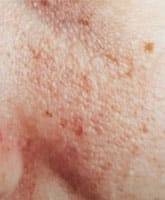
Oral Minoxidil, while highly effective for hair loss treatment, can present certain side effects due to its systemic nature. That being said, it's important to note that side effects aren't a guarantee—they vary from person to person, and many individuals taking oral Minoxidil experience none at all.
- Heart Palpitations: In some cases, users have reported feeling their heart beating more strongly or quickly. This is usually not a cause for concern but should be discussed with your healthcare provider if it occurs.
- Increased Hair Growth: Oral Minoxidil could stimulate hair growth in areas other than your scalp due to its systemic action. If this occurs, it's usually modest and manageable, affecting areas such as the arms, legs, or face.
- Light-headedness: Some people might experience a feeling of light-headedness when standing up quickly, typically in the early stages of treatment as the body adjusts to the medication.
- Other Mild Symptoms: Less commonly, some users might experience minor symptoms like nausea, changes in appetite, or giddiness.
Keep in mind that these side effects are potential, not certain, and many users of oral Minoxidil tolerate the medication well. The majority of these effects are mild and temporary, often diminishing as your body gets used to the medication. Your doctor will monitor your progress and adjust your treatment as needed to ensure it's both safe and effective.
When Can Results Be Seen?
Results from Minoxidil vary from person to person. Generally, it might take around 2-4 months with to notice initial effects. However, for more significant results, it may take up to 6-12 months. Remember, results vary, and success may also depend on the extent of the hair loss when starting the treatment.
Other Types of Hair Loss Medication
Besides Minoxidil, other hair loss medications such as Finasteride, which are typically prescribed for men with hair loss. These are oral medications that inhibit the production of the male hormone responsible for hair loss. There's also Spironolactone, which is often used for women experiencing hair loss due to hormonal imbalances.
Causes of Hair Loss in Males and Females
Hair loss, also known as alopecia, can be caused by several factors. Genetic predisposition is the most common cause, known as male-pattern or female-pattern hair loss. Hormonal changes like thyroid issues, menopause, or pregnancy can also cause hair loss. Other factors include certain medical conditions, stress, certain medications, or even hairstyles that pull on the hair excessively.
Learn more about the causes of hair loss here.