Contact Us

Fractional CO2 Laser Resurfacing for Acne Scars in Singapore

What Are Acne Scars?

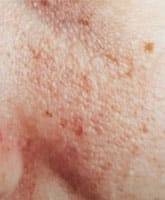
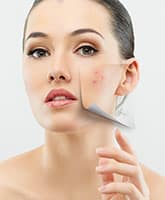
Acne scars are permanent textural changes that occur in the skin as a result of severe or prolonged acne inflammation. When acne lesions damage the skin’s deeper layers, the body attempts to heal the area by producing collagen. However, if too little or too much collagen is produced, it can result in uneven healing and visible scarring.

There are several types of acne scars:

  • Ice Pick Scars: Deep, narrow scars that extend into the dermis. These are often the most difficult to treat.
  • Boxcar Scars: Broad, rectangular depressions with well-defined edges, typically found on the cheeks or temples.
  • Rolling Scars: Shallow, wave-like depressions that give the skin a wavy or uneven appearance.
  • Hypertrophic Scars: Raised scars formed when too much collagen is produced during healing.

These scars often do not respond to over-the-counter products and require professional treatments such as laser resurfacing or regenerative procedures to achieve visible improvement.

Benefits of Fractional CO2 Laser for Acne Scars

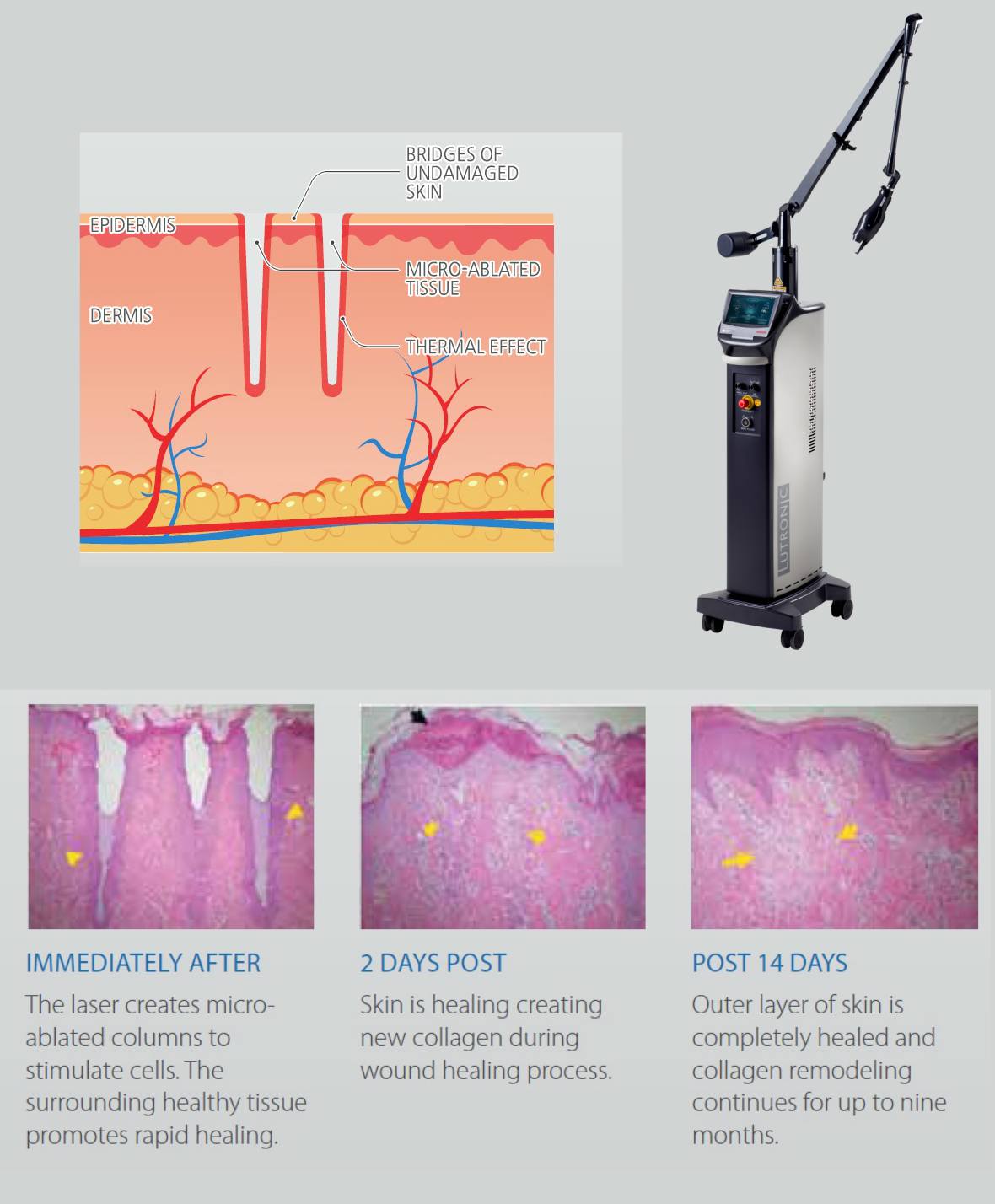
Fractional CO2 Laser is a clinically proven acne scar treatment that helps to resurface damaged skin and stimulate natural collagen regeneration. At our clinic in Singapore, we commonly recommend this procedure for patients who have moderate to severe acne scarring and are seeking long-term skin improvement.

Benefits of Fractional CO2 Laser treatment include:

  • Noticeable reduction in the depth and appearance of depressed acne scars
  • Smoother skin texture and improved tone
  • Refinement of enlarged pores and reduction in fine lines
  • Natural collagen stimulation for firmer, healthier skin
  • Enhanced skin radiance over time
  • Suitable for a wide range of scar types including ice pick, boxcar, and rolling scars

Because only a fraction of the skin is treated at each session, recovery is faster compared to traditional fully ablative lasers — while still offering effective and measurable results. Most patients in Singapore who undergo this treatment experience visible improvement after just a few sessions.

eCo2 Inforgraphic
Schedule your Acne Scar consultation

Visit Our Clinic

Medical Aesthetic Clinic Singapore

CO2 Fractional Laser vs. Pico Fractional Laser – What’s the Difference?

Both CO2 Fractional Laser and Pico Fractional Laser are used in Singapore to treat acne scars, but they differ in mechanism, depth of penetration, recovery time, and effectiveness for certain scar types.

Here’s how they compare:

Feature CO2 Fractional Laser Pico Fractional Laser
Mechanism Ablative laser that vaporises micro-columns of skin to trigger collagen production Non-ablative laser using photoacoustic effect to stimulate collagen
Depth of Penetration Deeper, reaches dermis Shallower penetration
Effectiveness More effective for moderate to severe depressed scars (ice pick, boxcar, rolling) Mild to moderate acne scars, post-acne redness, and pigmentation
Downtime 5 to 7 days with visible redness and scabbing Minimal downtime (1–2 days) with mild redness
Pain Level Moderate discomfort (numbing required) Generally well tolerated
Number of Sessions Fewer sessions needed (3–5 on average) More sessions may be required (5–8+)

At our Singapore clinic, both treatment options are available and often used in combination depending on scar severity, skin type, and desired recovery time. During consultation, Dr Edwin will assess your skin and advise on the most appropriate treatment or combination plan for your specific acne scars.

Combining CO2 Laser with Subcision and Collagen Stimulating Injections

Acne scarring often involves a mix of scar types — from deep rolling scars to surface pigmentation and red marks. To achieve optimal results, a personalised combination approach is typically needed. At our clinic in Singapore, Dr Edwin frequently combines Fractional CO2 Laser with complementary treatments to target various layers of skin damage and accelerate healing.

Subcision

Subcision is a minor surgical procedure used to treat tethered scars, especially rolling and deep boxcar scars. A fine needle is inserted beneath the skin to release fibrous bands that pull the scar downward. Once these bands are released, the skin is able to lift and remodel. Subcision is often performed just before CO2 Laser treatment for enhanced scar correction.

Polynucleotide (PN) Injections for Acne Scar Recovery

Polynucleotide (PN) injections—commonly known as the salmon DNA treatment and widely used in Korean medical aesthetics—are regenerative injectables designed to support skin healing and improve acne scar outcomes. These DNA-based molecules stimulate fibroblast activity, enhance collagen remodeling, and promote tissue regeneration, making them especially useful in scar recovery after energy-based treatments.

One of the most recognisable formulations used in clinical practice is often referred to as “Polynucleotide Scar,” known for its signature blue box packaging. It is frequently incorporated into acne scar treatment protocols across Asia due to its targeted skin-repair properties.

When used in combination with fractional CO₂ laser resurfacing or subcision, PN injections help reduce inflammation, minimise downtime, and improve wound healing—particularly for patients with sensitive skin, delayed recovery, or a tendency to develop post-inflammatory hyperpigmentation (PIH). This synergistic approach enhances collagen regeneration and improves long-term scar revision results.

Pico Laser and Yellow Laser for Pigment and Redness

For patients with lingering red acne marks (post-inflammatory erythema) or brown pigmentation (post-inflammatory hyperpigmentation), Dr Edwin may incorporate Pico Laser or Yellow Laser treatments. These non-ablative lasers target excess melanin and superficial blood vessels without affecting surrounding tissue. They can be performed between CO2 Laser sessions to address discoloration and further improve skin clarity.

Hybrid Collagen-Stimulating Injectable for Acne Scar Healing

This dual-action injectable combines hyaluronic acid with a collagen-stimulating compound to address atrophic acne scars—particularly in patients with thin, fragile, or crepey skin. It offers both immediate hydration and gradual dermal remodeling by stimulating collagen synthesis over time.

Commonly incorporated into Korean acne scar protocols, this injectable is especially effective for rolling scars and shallow depressions that do not respond fully to laser resurfacing alone. By reinforcing the skin’s structural matrix and improving elasticity, it enhances textural refinement and supports longer-term scar correction.

When used in combination with CO₂ laser resurfacing or subcision, this treatment contributes to smoother skin texture, improved skin density, and more comprehensive scar resolution.

Frequently Asked Questions (FAQ)

We advise patients to start using a medical-grade vitamin C serum and anti-pigmentation cream at least two weeks prior to treatment. This helps strengthen the skin and reduce the risk of pigmentation. After your session, Dr Edwin will prescribe an intensive recovery cream to support healing and reduce redness.

CO2 laser is an ablative treatment that resurfaces the skin and is more effective for moderate to severe depressed acne scars. Pico laser is non-ablative and better suited for treating post-acne pigmentation and mild scarring. In many cases, we combine both lasers to target different layers of skin damage for more comprehensive results.

Yes. At our Singapore clinic, we often combine CO2 laser with subcision, Rejuran Scar, Juvelook, and pigment-targeting lasers such as Pico or Yellow laser. This multi-modal approach allows us to address different types of scars and skin issues more effectively.

The best way to find out is through a detailed consultation and skin assessment. Factors such as scar type, depth, skin tone, and healing capacity all influence whether CO2 laser is the most suitable option. Dr Edwin will recommend a personalised plan tailored to your specific skin needs and goals.

Once acne scars are treated, they typically do not return unless new breakouts occur and lead to new scarring. To maintain results, it’s important to control active acne, follow proper skincare, and attend maintenance sessions if needed.

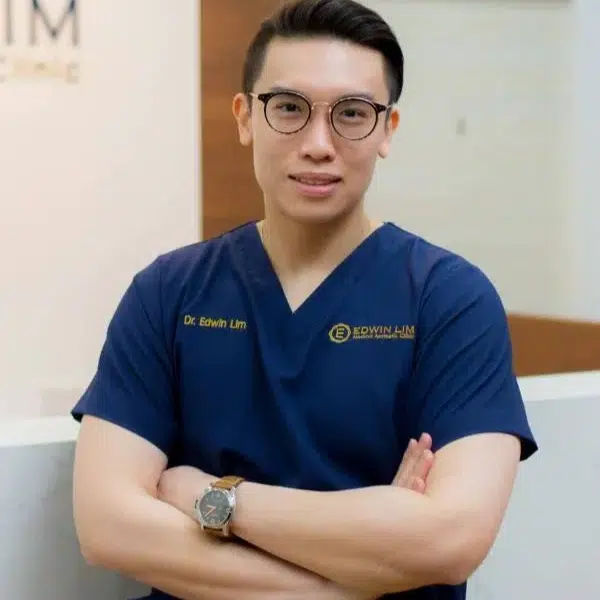
Dr Edwin Lim

MBBS (Singapore), MRCS (Edinburgh), PgDip Practical Dermatology (Cardiff), MSc Practical Dermatology (Cardiff), Diploma in Aesthetic Medicine, (AAAM), Accredited by the Aesthetic Dermatology Educational Group (ADEG)
Devoted to Beauty
Achieved through Science
This article has been medically reviewed by Dr Edwin Lim
Dr Edwin has a fond interest in Aesthetic injectable procedures such as Fillers, Skinboosters and Botox. He is passionate about enhancing one's beauty by delivering natural looking results with well placed injections.

The care you deserve

The Results You Want

Achieve your goals with Dr Edwin Lim
+65 9637 2218
© 2025 Edwin Lim Medical Aesthetic Clinic