Moles and skin tags are common benign skin growths that can appear on the face, neck, underarms, chest, or other parts of the body. While usually harmless, they may become a cosmetic concern or cause irritation, especially in high-friction areas or when repeatedly rubbed by clothing or accessories.
At our MOH-approved aesthetic clinic in Singapore, we provide doctor-led laser mole and skin tag removal using precise, medical-grade technology. This non-surgical procedure is designed to safely remove the growth while minimising injury to the surrounding skin. Each treatment is tailored to reduce the risk of scarring, shorten recovery time, and promote smooth, natural healing.
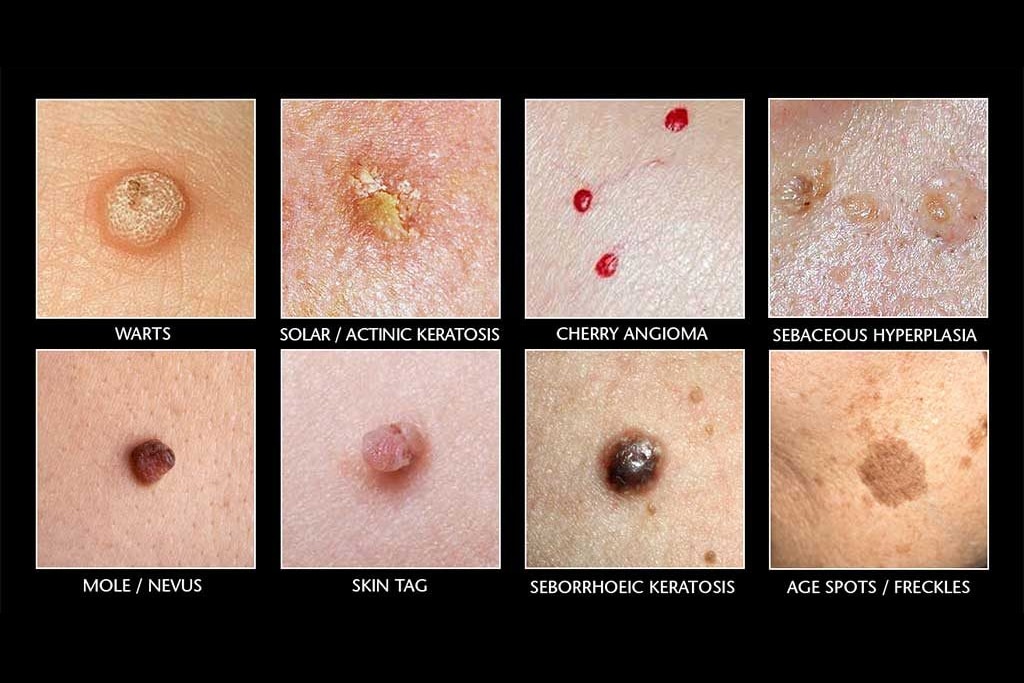
Moles are clusters of pigmented skin cells that appear as brown, black, or flesh-toned spots. They may be flat or raised, and can develop anywhere on the body, including the face, arms, chest, and back.
While most moles are benign, any sudden changes in size, shape, or colour should be medically evaluated to rule out skin cancer. For aesthetic or functional reasons, many patients choose laser mole removal to eliminate prominent or bothersome moles with minimal scarring.
Skin tags are soft, flesh-coloured growths that commonly form in areas where skin folds or experiences friction—such as the neck, underarms, eyelids, and groin. Though harmless, they can become irritated by clothing or jewellery, or be cosmetically undesirable. Laser skin tag removal offers a safe, effective way to eliminate these lesions with minimal discomfort and downtime.
Laser removal is a safe, precise, and effective method for eliminating unwanted moles and skin tags. At our MOH-approved aesthetic clinic, we use a medical-grade laser system that delivers a focused beam of energy to gently vaporise the lesion layer by layer while preserving the surrounding healthy skin.
For moles, the laser allows controlled ablation of pigmented tissue, reducing the risk of scarring and promoting smooth skin regeneration. For skin tags, the laser quickly detaches the growth from the skin surface with minimal bleeding and downtime.
The procedure is quick and generally well-tolerated. Depending on the size and location of the lesion, either a topical numbing cream or local anaesthetic may be applied to ensure comfort during treatment.
If you're unsure whether your skin bump is a mole, skin tag, or another type of lesion, Dr Edwin will carefully assess your skin during the consultation and determine the most appropriate treatment. In addition to moles and skin tags, our advanced laser system is also effective for removing other common growths such as warts, seborrheic keratosis, milia seeds, and oil cysts.
Not sure what your skin lump or bump is? Book a consultation with Dr Edwin to receive a proper evaluation and personalised treatment recommendation.
At our clinic, mole and skin tag removal is performed using the eCO2 laser system by Lutronic, a medical-grade ablative laser trusted for its precision and safety. This laser emits a focused beam of light energy that gently ablates the lesion layer by layer, while preserving the surrounding healthy skin.
The eCO2 laser works by targeting water molecules within the skin tissue, allowing for controlled vaporisation of unwanted growths such as moles and skin tags. Its fractional technology enables fine control over depth and intensity, reducing thermal damage and improving recovery outcomes. This precision makes it especially suitable for sensitive areas like the face, eyelids, and neck.
Compared to traditional methods like surgical excision or electrocautery, laser removal offers several advantages—minimal bleeding, no sutures required, and a lower risk of scarring. Patients also benefit from faster healing and smoother cosmetic results.
Choosing laser removal offers not just medical precision, but also clear cosmetic and recovery benefits for patients. At our clinic, every procedure is performed by a licensed medical doctor using the eCO2 laser to deliver natural-looking results with minimal downtime.
Laser removal helps achieve a cleaner finish compared to traditional methods, reducing the likelihood of raised scars or uneven texture.
Treatments are typically completed in under 30 minutes, with numbing provided to ensure comfort throughout.
Most patients return to normal activities within a day or two. Light scabbing may occur but usually resolves within a week.
Whether on the face, neck, or body, removing noticeable moles or skin tags can enhance your overall appearance and self-confidence.
The precision of the eCO2 laser makes it suitable for a wide range of skin tones and body areas, including sensitive regions like the eyelids or underarms.
There are various ways to remove moles and skin tags, including surgical excision, cryotherapy (freezing), and electrocautery (burning). However, laser removal is often preferred for its precision, reduced scarring, and faster recovery—particularly for visible or sensitive areas.
| Method | How It Works | Drawbacks | When It's Used |
|---|---|---|---|
| Laser Removal | Vaporises lesion with precise light energy | Mild scabbing, not suitable for suspicious lesions | Best for cosmetic removal with minimal scarring |
| Surgical Excision | Cuts out lesion with a scalpel | Requires stitches, higher risk of scarring | Used when histological analysis is needed |
| Cryotherapy | Freezes lesion with liquid nitrogen | May blister or cause hypopigmentation | Often used for warts or small skin tags |
| Electrocautery | Burns off lesion with electric current | Can cause more discomfort and post-op redness | Suitable for superficial skin growths |
Laser removal stands out for being minimally invasive, quick, and well-suited to delicate areas like the eyelids, neck, or underarms. It also provides a cleaner cosmetic result compared to other methods.
Laser removal is a safe, doctor-performed procedure designed to be quick, precise, and minimally invasive.
Consultation & Assessment
During your consultation, each lesion is carefully assessed by Dr Edwin to ensure it is benign and suitable for laser treatment. If a mole shows signs of atypical features, it may be referred for further dermatological evaluation or biopsy. For lesions deemed safe, laser treatment may proceed on the same day or be scheduled separately.
Comfort Measures Before Treatment
To ensure patient comfort, the treatment area is thoroughly cleansed and either a topical numbing cream or local anaesthetic is applied, depending on the size and location of the lesion.
What Happens During the Procedure
We use the eCO2 laser system by Lutronic, which allows controlled vaporisation of the lesion layer by layer while preserving healthy skin. The procedure typically takes only a 5 to 15 minutes per lesion. Most patients describe the sensation as warm or tingling, with minimal discomfort overall.
What to Expect After the Procedure
A small scab may form over the treated area, which naturally falls off within 1 to 2 weeks. Patients may resume light activities the same day, but should avoid touching the area or exposing it to direct sunlight.
Aftercare Instructions
Proper post-treatment care is essential to support healing and reduce the risk of scarring. You will be advised to keep the area clean, apply a prescribed healing ointment, and avoid makeup or skincare on the area until the scab has healed. Full skin recovery typically occurs within 2 to 3 weeks.
Curious what laser mole removal looks like in real time?
In this short clinical video, Dr Edwin demonstrates how a mole is safely and precisely removed using the eCO2 laser. You’ll see how the laser gently ablates the mole with minimal discomfort and no bleeding. This doctor-performed procedure takes just a few minutes and highlights the accuracy and cleanliness of laser removal.
Click play to watch the video and see the process for yourself.
Laser mole and skin tag removal is generally well-tolerated with minimal discomfort. At our clinic, we prioritise patient comfort by applying a strong topical numbing cream or using local anaesthesia, depending on the size and depth of the lesion. Once the area is numbed, most patients report little to no pain during the procedure.
Recovery Timeline
After the scab falls off, it is normal for the newly healed skin to appear pink or slightly reddish. This is part of the natural healing process and gradually fades over the next 1 to 2 months, depending on your skin type and the size of the original lesion.
Laser mole and skin tag removal is considered a safe and effective treatment when performed by a trained medical doctor using medical-grade laser equipment. At our clinic, every procedure is assessed individually and tailored to minimise risk while ensuring optimal cosmetic outcomes.
Common Side Effects
Laser removal is generally well-tolerated. Most patients experience only mild, temporary side effects such as:
These effects typically resolve within 1 to 2 weeks, especially when proper aftercare is followed.
Infection Risk
The risk of infection is low when the area is kept clean and protected. We provide an antibiotic ointment, recovery cream, and scar gel to support healing. For areas exposed to sweat, friction, or dust, we may recommend applying a plaster or light dressing during the first few days.
Scarring
Laser removal causes minimal trauma to the skin, reducing the likelihood of scarring. However, patients with a personal or family history of keloids or depressed scars should inform the doctor during consultation, as this may affect treatment planning and aftercare strategy.
Recurrence
Although uncommon, there is a small chance that moles or skin tags may recur after removal. This is typically due to genetic factors or incomplete removal of the base of the lesion. In such cases, a follow-up treatment may be considered.

Laser removal is suitable for individuals who have benign moles or skin tags they wish to remove for cosmetic or comfort reasons. Ideal candidates are generally in good health and have realistic expectations regarding outcomes and healing.
You may be suitable if you:
Caution may be advised if you:
During your consultation, Dr Edwin will evaluate your skin lesion(s) to ensure laser treatment is appropriate and safe for you.
In most cases, laser removal of moles or skin tags requires only a single treatment session. The eCO2 laser precisely targets and removes the lesion in one visit, making it a convenient and efficient option for many patients.
However, some deeper or larger moles may require a second session for complete removal or refinement, especially if a conservative approach is taken to minimise scarring. Follow-up treatments, if needed, are typically spaced a few weeks apart to allow the skin to fully heal before reassessment.
Dr Edwin will advise you during your consultation if multiple sessions are likely based on the size, depth, and location of your skin lesion.
The cost of laser mole or skin tag removal in Singapore can vary depending on several factors, including the size, type, and number of lesions being treated. More extensive or deeper lesions may require longer treatment time or multiple sessions, which can affect pricing.
At our clinic, all treatments are performed by a medical doctor using a medical-grade eCO2 laser system to ensure precision and safety. During your consultation, Dr Edwin will assess your skin condition and provide a detailed explanation of the treatment plan, including estimated fees.
For more information or to enquire about treatment costs, feel free to contact our clinic directly.
Not all clinics offer the same level of expertise, technology, or safety protocols when it comes to laser mole and skin tag removal. Treatment outcomes can vary depending on the practitioner’s experience and the type of laser used.
To ensure safe and effective results, look for a clinic that:
Choosing a qualified, doctor-led aesthetic clinic ensures you receive personalised care and optimal outcomes with minimal scarring and downtime.
If you’re considering laser removal for a mole, skin tag, or wart, we’re here to help. All treatments at our clinic are doctor-performed using advanced medical-grade laser technology, with safety, precision, and minimal downtime in mind.
📅 Schedule a personalised consultation today to have your skin concerns professionally assessed and learn more about the best treatment options for you.
Most patients experience minimal to no pain. A topical numbing cream or local anaesthetic is applied before treatment to ensure comfort. Once the area is numb, the laser procedure is generally very well tolerated.
Laser removal is designed to minimise scarring by targeting only the affected tissue with precision. Most small lesions heal with little to no visible scarring. However, individuals with a history of keloid or depressed scarring should inform the doctor during consultation so that the treatment plan can be adjusted accordingly.
Most moles and skin tags can be removed in a single session. In some cases—particularly for larger or deeper lesions—a second session may be recommended to ensure complete removal or refinement. Dr Edwin will advise you based on your specific case during the consultation.
Laser removal aims to completely eliminate the targeted lesion, and in most cases, moles and skin tags do not grow back once fully removed. However, there is still a small chance of recurrence.
Moles may recur if deeper pigment-producing cells remain beneath the skin’s surface. Similarly, skin tags can regrow, especially in areas prone to friction, such as the neck or underarms. In some individuals, new moles or skin tags may also appear over time due to genetic predisposition, hormonal changes, or ongoing skin irritation.
While recurrence is uncommon, it’s important to understand that laser removal does not prevent the formation of future lesions.
Yes. Many patients opt for laser removal to improve cosmetic appearance, especially when the lesion is located on the face, neck, underarms, or other visible areas. As long as the lesion is benign, laser removal is safe and effective for aesthetic purposes.
The total cost depends on the number, size, and complexity of the lesions being treated. A personalised fee estimate will be provided during consultation after your skin has been evaluated. For more information, you may contact our clinic here.
Most healthy individuals with stable, benign skin growths are good candidates for laser removal. Lesions that are rapidly changing in size, shape, or colour may require further medical evaluation before removal. If you have a history of keloid scars or delayed healing, please inform the doctor so that the treatment plan can be tailored to your needs.
Yes, it is possible to remove multiple lesions in a single session, depending on their size, number, and location. During your consultation, Dr Edwin will assess all areas of concern and advise on whether they can be treated in one visit or over multiple sessions for optimal results and healing.
You can usually resume using skincare and makeup once the scab has completely healed and the skin has closed—typically within 1 to 2 weeks. It is important to avoid applying products directly on the healing area during the initial phase to reduce the risk of irritation or infection.
Yes. Laser removal is safe and effective for facial moles and skin tags, including sensitive areas like the eyelids, nose, and jawline. The precision of the eCO2 laser allows for controlled treatment with minimal risk of scarring, making it an excellent option for visible areas.
No, there are no dietary restrictions following laser mole or skin tag removal. Your diet does not affect the healing of the treated area. The most important factors for recovery are proper wound care, avoiding infection, and following your post-procedure instructions. You may continue eating your usual meals unless otherwise advised by your doctor.