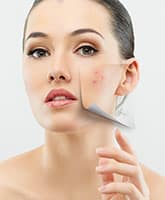
Teenage acne is a common skin concern that can affect both confidence and skin health during the growing years. Also known as teen acne or puberty acne, it often develops due to hormonal changes, increased oil production and clogged pores during adolescence. While mild teenage pimples may settle with time, persistent acne, inflamed breakouts, painful cysts or early acne marks should not be ignored, as untreated acne may increase the risk of long-term scarring.
At Edwin Lim Medical Aesthetic Clinic, teenage acne treatment in Singapore is tailored according to the severity of acne, skin type, lifestyle habits and individual concerns. Treatment may include medical acne skincare, topical or oral acne medication, acne facials, pimple injections or acne laser treatments, depending on the teenager’s condition and suitability.
The goal of treatment is not only to reduce active pimples, but also to control inflammation, prevent new breakouts and lower the risk of acne marks and acne scars over time.
Learn more about acne treatment in Singapore here:
https://edwinlimclinic.sg/conditions/acne-treatment/
Learn more about acne scar treatment in Singapore here:
https://edwinlimclinic.sg/acne-scar-removal-singapore/
Teenage acne refers to acne in teenagers that commonly develops during puberty and adolescence. It is often triggered by hormonal changes that increase oil production in the skin, leading to clogged pores, pimples and inflammation.
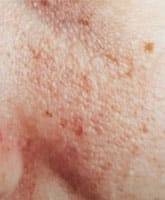
Teen acne usually appears on areas with more active oil glands, such as the face, forehead, nose, chin, chest and back. It may appear as whiteheads, blackheads, red pimples, pus-filled bumps or deeper painful lumps.
Some teenagers may only experience mild teenage pimples, while others may develop persistent inflammatory acne that leaves dark acne marks, red acne marks or depressed acne scars.
Although teenage acne is common, it should not always be dismissed as something that will simply go away with age. When acne is frequent, painful, inflamed or causing marks and scars, early medical treatment may help to control breakouts and protect the skin in the long term.
Teenage acne commonly develops during puberty because hormonal changes can stimulate the oil glands in the skin. When the skin produces more sebum, pores may become clogged with oil, dead skin cells and bacteria, leading to whiteheads, blackheads, pimples and inflamed acne.
Acne in teenagers can also be affected by genetics, stress, sweating, unsuitable skincare products, makeup, hair products and lifestyle habits. Some teenagers may notice that their breakouts worsen during exam periods, after sports activities or when they use skincare products that are too oily or comedogenic.
For many teens, acne is not caused by poor hygiene. Washing the face too aggressively or using harsh scrubs may irritate the skin further and worsen inflammation. A doctor-guided acne treatment plan can help identify the likely triggers and recommend suitable treatment options based on the teenager’s skin condition.
Learn more about medical acne skincare here:
A teenager should consider seeing a doctor for acne if the acne is persistent, painful, inflamed, worsening despite over-the-counter skincare, or leaving dark marks, red marks or early acne scars. Acne that affects confidence, causes frequent breakouts, or involves deeper cystic pimples may also benefit from early medical assessment.
While mild teenage pimples may improve with suitable skincare, moderate to severe teen acne often requires a more structured treatment plan. This may include prescription acne medication, medical acne skincare, acne facials, pimple injections or acne laser treatment, depending on the teenager’s skin condition.
Parents may also wish to seek medical advice if they are unsure whether their teenager’s acne is normal puberty acne or a sign of more persistent inflammatory acne. Early treatment can help reduce active breakouts, control inflammation and lower the risk of long-term acne marks and acne scars.
Teenage acne can appear in different forms, ranging from mild clogged pores to deeper inflamed pimples. Identifying the type of acne is important because different forms of teen acne may require different treatment approaches.
Whiteheads and blackheads are common forms of comedonal acne in teenagers. They occur when pores become clogged with oil and dead skin cells. Whiteheads remain closed under the skin, while blackheads are open at the surface and may appear as small dark spots.
Red pimples occur when clogged pores become inflamed. This type of teenage acne may appear as tender, swollen or pus-filled bumps. Inflamed acne should be treated carefully, as squeezing or picking at pimples may increase the risk of acne marks and acne scars.
Cystic acne refers to deeper, painful acne lumps that develop under the skin. This type of acne in teenagers is more likely to cause scarring if left untreated. Teenagers with painful cystic acne should consider early medical treatment to control inflammation and reduce the risk of long-term skin damage.
After active pimples settle, some teenagers may be left with dark acne marks, red acne marks or early depressed acne scars. Dark acne marks are usually related to post-inflammatory hyperpigmentation, while red acne marks are commonly known as post-inflammatory erythema. Acne marks may gradually fade over time, while true acne scars are usually more permanent and may require separate acne scar treatment after active acne is controlled.
Learn more about red acne marks here:
https://edwinlimclinic.sg/post-inflammatory-erythema/
Learn more about acne hyperpigmentation and dark acne marks here:
https://edwinlimclinic.sg/acne-hyperpigmentation-singapore/

Teenage acne treatment in Singapore should be tailored according to the type of acne, severity of breakouts, skin sensitivity, lifestyle habits and risk of developing acne marks or acne scars. Some teenagers may only need suitable acne skincare and topical acne medication, while others with persistent, inflamed or cystic acne may require a more structured doctor-guided treatment plan.
The most suitable treatment for teen acne depends on whether the teenager has mostly clogged pores, whiteheads, blackheads, inflamed pimples, painful cystic acne, oily skin, acne redness, dark acne marks or early acne scarring. During consultation, our doctors will assess the teenager’s skin condition before recommending a suitable acne treatment plan.
Medical acne skincare can help support teenage acne treatment by reducing clogged pores, controlling excess oil and improving skin tolerance during acne treatment. This can be especially helpful for teenagers with oily skin, acne-prone skin, sensitive skin or frequent breakouts.
Suitable skincare may help reduce irritation from overly harsh products, support the skin barrier and complement other acne treatments such as topical acne medication, oral acne medication, acne facials or acne laser treatment. For many teenagers, a consistent and appropriate skincare routine is an important foundation for long-term acne control.
Learn more about medical acne skincare here:
https://edwinlimclinic.sg/products/acne-skincare-range/
Topical acne medication may be recommended for teenagers with clogged pores, whiteheads, blackheads, red pimples and mild to moderate inflammatory acne. These medications may help reduce clogged pores, control acne-causing bacteria, calm inflammation and prevent new pimples from forming.
For more persistent teenage acne, oral acne medication may be considered. This may be suitable for teenagers with widespread acne, painful inflamed pimples, cystic acne, back acne, body acne or acne that is not improving with skincare and topical treatment alone.
In selected female teenagers with hormonal acne patterns, such as acne that worsens before menstruation or acne associated with oily skin and recurrent jawline breakouts, hormonal acne treatment may be discussed if clinically appropriate. The choice of acne medication depends on the teenager’s age, acne severity, medical history and suitability after consultation.
Learn more about oral acne medication here:
https://edwinlimclinic.sg/products/acne-medication-guide-singapore/
Learn more about oral spironolactone for hormonal acne here:
https://edwinlimclinic.sg/oral-spironolactone-for-hormonal-acne-treatment-in-singapore/
An acne facial may be useful for teenagers with congested skin, oily skin, clogged pores, whiteheads and blackheads. When performed appropriately, acne facials can help with pore cleansing, gentle extraction and oil control while supporting an overall teenage acne treatment plan.
Acne facials are not a replacement for medical acne treatment in teenagers with moderate to severe inflamed acne, cystic acne or scarring acne. However, they may be helpful as part of a broader acne management plan for suitable skin types, especially when congestion and comedones are a major concern.
Learn more about acne facial treatment here:
https://edwinlimclinic.sg/acne-facial-singapore/
Pimple injections may be considered for selected large, painful or inflamed pimples that are not settling well. This may be useful when a teenager has a swollen acne bump, painful cystic pimple or inflamed acne lesion that is causing discomfort or concern.
Pimple injections are usually reserved for specific inflamed pimples and are not a replacement for long-term acne control. Teenagers with frequent painful pimples, repeated cystic acne or acne that keeps recurring may still need a more comprehensive acne treatment plan to reduce future breakouts.
Learn more about pimple injections here:
https://edwinlimclinic.sg/aesthetic-treatments/pimple-injection-singapore/
Acne laser treatment may be considered for teenagers with inflamed acne, acne redness, persistent breakouts or acne that is not adequately controlled with skincare alone. Depending on the skin condition, acne lasers may help calm inflammation, reduce redness and support acne control as part of a doctor-guided treatment plan.
Acne laser treatment may be combined with medical acne skincare, topical acne medication, oral acne medication or acne facials where appropriate. Suitability depends on the teenager’s acne severity, skin type, treatment goals and tolerance for downtime.
Learn more about acne laser treatment here:
https://edwinlimclinic.sg/aesthetic-treatments/acne-laser-treatment/
One of the key goals of teenage acne treatment is to reduce the risk of long-term acne marks and acne scars. Persistent inflamed acne, painful cystic pimples and repeated picking or squeezing of pimples may increase the likelihood of dark acne marks, red acne marks and depressed acne scars.
Early treatment can help control active acne before scarring becomes more established. For teenagers who already have red acne marks, dark acne marks or early acne scars, treatment may need to be planned in stages. Active acne is usually controlled first before more targeted treatment for acne marks or acne scars is considered.
Learn more about red acne marks here:
https://edwinlimclinic.sg/post-inflammatory-erythema/
Learn more about acne hyperpigmentation and dark acne marks here:
https://edwinlimclinic.sg/acne-hyperpigmentation-singapore/
Learn more about acne scar treatment in Singapore here:
https://edwinlimclinic.sg/acne-scar-removal-singapore/
Acne medication for teenagers can be safe and effective when it is prescribed appropriately after a medical consultation. The choice of acne medication depends on the teenager’s age, acne severity, skin type, medical history, lifestyle habits and whether there are early acne marks or acne scars.
For mild to moderate teenage acne, treatment may start with suitable medical acne skincare and topical acne medication. These may help reduce clogged pores, control inflammation and prevent new pimples from forming. For teenagers with more persistent, inflamed, cystic or widespread acne, oral acne medication may be considered if clinically appropriate.
Parents are often concerned about whether acne medication is necessary for teenage pimples. While not every teenager needs prescription medication, delaying treatment for moderate to severe acne may allow inflammation to continue and may increase the risk of long-term acne scarring.
At Edwin Lim Medical Aesthetic Clinic, our doctors will assess the teenager’s skin condition before recommending a suitable treatment plan. The aim is to control acne safely, reduce unnecessary irritation and choose treatment options that are appropriate for the teenager’s needs.
Learn more about oral acne medication here:
https://edwinlimclinic.sg/products/acne-medication-guide-singapore/
Yes, teenage acne can sometimes cause acne scars, especially when pimples are deep, inflamed, painful or repeatedly picked and squeezed. Cystic acne and persistent inflammatory acne are more likely to affect the deeper layers of the skin, which may increase the risk of long-term acne scars, red acne marks and dark acne marks.
Not every teenager with acne will develop scarring. However, acne scars are more likely to occur when breakouts are left untreated for a long time, when inflammation is severe, or when pimples are squeezed aggressively. This is why early acne treatment for teenagers can be important, especially for those with frequent inflamed pimples, painful acne lumps or acne that is already leaving marks.
For many teenagers, the first priority is to control active acne before treating acne marks or acne scars. Once the acne is more stable, treatments for red acne marks, dark acne marks or acne scars may be considered depending on the teenager’s skin condition and suitability. Red acne marks are also known as post-inflammatory erythema, while dark acne marks are commonly related to post-inflammatory hyperpigmentation.
Learn more about red acne marks here:
https://edwinlimclinic.sg/post-inflammatory-erythema/
Learn more about acne hyperpigmentation and dark acne marks here:
https://edwinlimclinic.sg/acne-hyperpigmentation-singapore/
Learn more about acne scar treatment in Singapore here:
https://edwinlimclinic.sg/acne-scar-removal-singapore/
Teenagers can reduce the risk of worsening acne by using suitable skincare, avoiding harsh scrubs, not picking at pimples and seeking treatment early when acne becomes persistent or inflamed. While teenage acne cannot always be prevented completely, good skin habits and timely treatment can help reduce breakouts, irritation and the risk of acne marks or acne scars.
A gentle cleanser, non-comedogenic moisturiser and appropriate acne skincare products may help support oily and acne-prone teenage skin. Teenagers should avoid frequently changing skincare products, over-washing the face or using strong exfoliating products without guidance, as this may worsen skin irritation.
Learn more about medical acne skincare here:
https://edwinlimclinic.sg/products/acne-skincare-range/
It is also important not to squeeze or pick at pimples, especially inflamed pimples or cystic acne. Picking may increase inflammation and make red acne marks, dark acne marks and acne scars more likely to develop.
For teenagers with frequent breakouts, painful pimples, acne on the chest or back, or acne that is already leaving marks, early medical acne treatment may be helpful. A doctor-guided treatment plan can help control active acne before it becomes more severe or causes long-term skin changes.
Learn more about acne treatment in Singapore here:
https://edwinlimclinic.sg/conditions/acne-treatment/
At Edwin Lim Medical Aesthetic Clinic, teenage acne treatment is doctor-guided and personalised according to the teenager’s skin condition, acne severity, skin sensitivity and risk of acne marks or acne scars. During consultation, our doctors will assess the type of acne present, such as clogged pores, inflamed pimples, cystic acne, oily skin, back acne, red acne marks or dark acne marks.
For teenagers with mild acne, treatment may focus on suitable medical acne skincare, topical acne medication and lifestyle or skincare adjustments. For teenagers with more persistent, inflamed or cystic acne, a more structured acne treatment plan may be recommended. This may include oral acne medication such as oral antibiotics or isotretinoin where clinically appropriate, as well as acne facials, pimple injections or acne laser treatment depending on the teenager’s skin condition and suitability.
The aim of treatment is to control active teenage acne, reduce inflammation, prevent new breakouts and lower the risk of long-term acne scars. Treatment plans are tailored to be practical for teenagers and reassuring for parents who may be concerned about safety, downtime and the suitability of acne medication or acne procedures.
Edwin Lim Medical Aesthetic Clinic provides teenage acne treatment in Singapore at our clinic locations in Changi City Point and Lucky Plaza, Orchard.
Contact us to arrange a consultation here:
https://edwinlimclinic.sg/contact-us/
Some mild teenage acne may improve over time as hormones stabilise. However, moderate to severe acne, cystic acne or acne that is leaving marks should not be ignored. Waiting too long to treat persistent teen acne may increase the risk of acne scars.
If your teenager has persistent pimples, inflamed acne, painful cystic acne, acne marks or early acne scars, a doctor-guided acne assessment may help determine the most suitable treatment plan.
At Edwin Lim Medical Aesthetic Clinic, teenage acne treatment in Singapore may include medical acne skincare, topical acne medication, oral acne medication, acne facials, pimple injections or acne laser treatment, depending on the teenager’s skin condition and suitability.
Our clinics are located at Changi City Point and Lucky Plaza, Orchard, making it convenient for parents and teenagers seeking acne treatment in Singapore.
Contact us to arrange a consultation here:
https://edwinlimclinic.sg/contact-us/
You may also find our clinic contact details here:
https://edwinlimclinic.sg/contact-number/
You may also find these related acne treatment pages helpful:
Learn more about acne treatment in Singapore here:
https://edwinlimclinic.sg/conditions/acne-treatment/
Learn more about pimple injections here:
https://edwinlimclinic.sg/aesthetic-treatments/pimple-injection-singapore/
Learn more about acne facial treatment here:
https://edwinlimclinic.sg/acne-facial-singapore/
Learn more about acne laser treatment here:
https://edwinlimclinic.sg/aesthetic-treatments/acne-laser-treatment/
Learn more about oral acne medication here:
https://edwinlimclinic.sg/products/acne-medication-guide-singapore/
Learn more about medical acne skincare here:
https://edwinlimclinic.sg/products/acne-skincare-range/
Learn more about back acne and body acne here:
https://edwinlimclinic.sg/back-acne-body-acne-singapore/
Learn more about red acne marks here:
https://edwinlimclinic.sg/post-inflammatory-erythema/
Learn more about acne hyperpigmentation and dark acne marks here:
https://edwinlimclinic.sg/acne-hyperpigmentation-singapore/
Learn more about acne scar treatment in Singapore here:
https://edwinlimclinic.sg/acne-scar-removal-singapore/

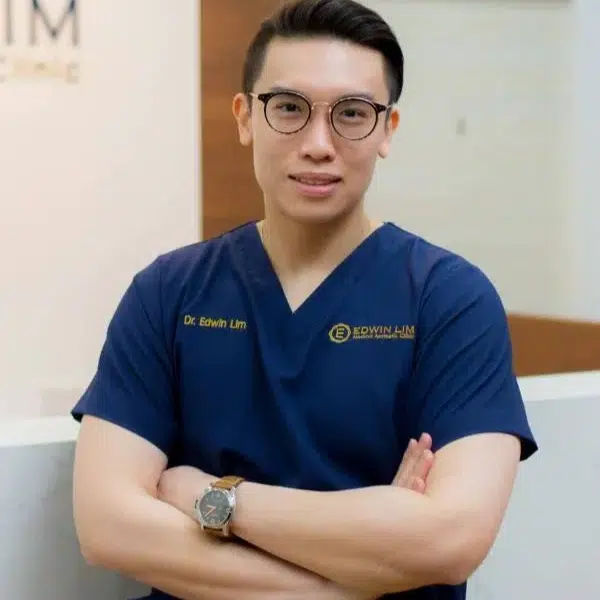
Dr Edwin Lim
MBBS (Singapore), MRCS (Edinburgh), PgDip Practical Dermatology (Cardiff), MSc Practical Dermatology (Cardiff), Diploma in Aesthetic Medicine, (AAAM), Accredited by the Aesthetic Dermatology Educational Group (ADEG)