Contact Us

Acne Medication Singapore – Complete Doctor-Guided Guide to Oral Acne Treatments

Acne medication in Singapore is commonly prescribed for patients with moderate to severe acne, or acne that does not respond to skincare and topical treatments. Oral acne medications work at a deeper level to control oil production, inflammation, and acne-causing bacteria.

This doctor-guided guide covers the main types of oral acne medications available in Singapore, including antibiotics, hormonal treatments, and isotretinoin, along with how they work and who they are suitable for.

Oral acne medications are typically recommended when:

  • Acne is moderate to severe (inflammatory, cystic, or nodular)
  • Acne persists despite topical treatments or facials
  • There is a risk of acne scarring
  • Breakouts are affecting confidence or quality of life
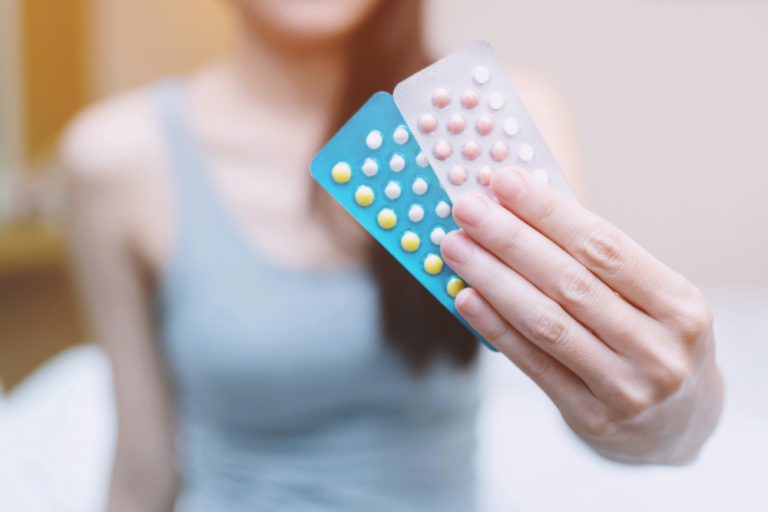
Pills

A personalised, doctor-supervised approach is important to ensure safe treatment selection and optimal long-term results.

For personalised assessment and treatment planning, you may book a consultation here:
https://edwinlimclinic.sg/contact-number/

Which Acne Medication Is Most Suitable in Singapore?

Choosing the most suitable acne medication in Singapore depends on understanding your acne type and matching it with the appropriate treatment approach. There is no single treatment that works for everyone, as acne can be driven by different factors such as oil production, inflammation, bacterial activity, or hormonal influences.

In clinical practice, acne treatment is individualised. A doctor-guided approach ensures that the selected medication targets the root cause of acne while remaining safe and appropriate for each patient.

Treatment Approach for Mild Acne

For mild acne, including blackheads, whiteheads, and occasional small pimples, oral acne medication is usually not required.

A structured skincare routine using appropriate active ingredients is often sufficient to maintain control and prevent progression.

Treatment Approach for Moderate Acne

For moderate acne with inflamed pimples and early signs of scarring, oral antibiotics are commonly used to reduce inflammation and control acne-causing bacteria.

These are typically prescribed for a limited duration and combined with topical treatments and skincare to maintain results.

Treatment Approach for Hormonal Acne

For adult female patients with acne along the jawline and chin, especially when breakouts fluctuate with menstrual cycles, hormonal treatment may be considered.

Spironolactone helps reduce androgen-driven oil production and is commonly used for longer-term control in suitable patients.

Treatment Approach for Severe or Cystic Acne

For severe, cystic, or treatment-resistant acne, oral isotretinoin is often considered.

It works by targeting multiple causes of acne simultaneously, including oil production, clogged pores, inflammation, and bacteria, and may lead to long-term improvement after a full course of treatment.

Why Individualised Treatment Is Important

Rather than focusing on a single “best” medication, the goal is to select the most suitable treatment based on each patient’s condition.

Treatment may be adjusted over time depending on response:

  • Starting with antibiotics for initial control
  • Transitioning to hormonal treatment for maintenance
  • Escalating to isotretinoin when appropriate

A personalised treatment plan allows for safe, effective, and sustained acne control while minimising unnecessary side effects.

For personalised assessment and treatment recommendations, you may book a consultation here:
https://edwinlimclinic.sg/contact-number/

How to Choose the Right Acne Medication in Singapore

After identifying the most suitable category of acne medication, the next step is selecting the right treatment approach based on individual factors such as acne severity, skin type, and treatment response.

A structured, doctor-guided approach ensures that treatment is both effective and safe, while minimising the risk of side effects and long-term scarring.

In clinical practice, acne is broadly classified into mild, moderate, and severe categories, and treatment is adjusted accordingly.

Mild Acne – When Skincare and Topical Treatments Are Sufficient

Mild acne usually presents as blackheads, whiteheads, and occasional small pimples. In these cases, treatment often starts with a structured skincare routine and topical medications such as retinoids or benzoyl peroxide.

Oral acne medications are generally not required unless acne becomes persistent or worsens despite appropriate skincare.

Moderate Acne – When Oral Antibiotics Are Introduced

Moderate acne is characterised by more frequent inflamed pimples, redness, and early signs of scarring. At this stage, oral antibiotics are commonly introduced to reduce inflammation and control acne-causing bacteria.

These are usually combined with topical treatments and skincare to enhance results and maintain long-term control after stopping the medication.

Hormonal Acne – When Spironolactone Is Considered

In adult female patients, acne that is concentrated along the jawline and chin, or fluctuates with menstrual cycles, is often hormonal in nature.

In such cases, spironolactone may be recommended to reduce androgen-driven oil production and prevent recurrent breakouts, particularly when acne does not respond well to antibiotics alone.

Severe or Refractory Acne – When Isotretinoin Is Recommended

Severe acne includes cystic, nodular, or widespread inflammatory acne, especially when there is a risk of permanent scarring. Acne that does not respond to antibiotics or hormonal treatments is also considered treatment-resistant.

In these situations, isotretinoin is often recommended as it targets multiple causes of acne and offers the highest chance of long-term clearance.

Personalised Treatment Planning for Best Results

Acne treatment is rarely one-size-fits-all. Many patients benefit from a combination approach that includes oral medications, topical treatments, skincare, and in-clinic procedures such as acne laser or pimple injections.

A doctor-guided treatment plan allows for:

  • Accurate diagnosis of acne type
  • Selection of the most appropriate medication
  • Adjustment of treatment based on response
  • Monitoring for side effects

This personalised approach ensures that treatment is effective, safe, and sustainable over the long term.

Side Effects of Oral Acne Medications in Singapore

Understanding the potential side effects of oral acne medications is an important part of treatment planning. While these medications are generally safe when prescribed appropriately, each type has specific side effects that patients should be aware of.

A doctor-guided approach ensures that the most suitable medication is selected based on your medical profile, while minimising risks and monitoring for any adverse effects during treatment.

Oral antibiotics are generally well tolerated, especially when used for short-term treatment. However, some patients may experience:

  • Gastrointestinal discomfort, such as nausea or bloating
  • Increased sensitivity to sunlight (photosensitivity)
  • Changes in gut flora with prolonged use

To reduce side effects, antibiotics are typically prescribed for a limited duration and combined with topical treatments and skincare.

Spironolactone is commonly used for hormonal acne in female patients and is generally safe under medical supervision. Possible side effects include:

  • Irregular menstrual cycles
  • Breast tenderness
  • Mild dizziness or fatigue
  • Increased urination

These effects are usually mild and often improve with time or dose adjustment. Regular follow-up helps ensure that treatment remains safe and well tolerated.

Oral isotretinoin is a highly effective acne medication but requires closer monitoring due to its potency. Common side effects include:

  • Dry skin, lips, and eyes
  • Increased skin sensitivity
  • Temporary acne flare in the early stages

Less commonly, patients may require monitoring for changes in liver function or lipid levels.

Isotretinoin is not suitable during pregnancy, and appropriate precautions are required for female patients of childbearing age.

With proper doctor supervision, most side effects can be managed effectively, and treatment can be adjusted based on individual tolerance.

Oral acne medications should always be prescribed and monitored by a doctor to ensure safety and effectiveness.

Regular follow-up allows for:

  • Adjustment of medication dose
  • Early detection of side effects
  • Optimisation of treatment response

This ensures that patients achieve the best possible outcomes while minimising unnecessary risks.

Acne Medication vs Skincare – Which Is More Effective?

Both acne medication and skincare play important roles in acne treatment, but their effectiveness depends on the severity and type of acne. Understanding when each approach is appropriate helps ensure timely and effective treatment.

Many patients in Singapore wonder whether acne can be treated with skincare alone or if oral acne medications are necessary. The answer depends largely on the severity of acne and how the skin responds to initial treatment.

When Skincare Alone Is Sufficient

For mild acne, including blackheads, whiteheads, and occasional small pimples, a well-structured skincare routine may be sufficient to maintain control.

Key components of an effective acne skincare routine include:

  • Gentle cleansers to remove excess oil and impurities
  • Active ingredients such as salicylic acid or retinoids
  • Non-comedogenic moisturisers to maintain skin barrier function

Patients with mild acne often respond well to consistent skincare, especially when products are selected appropriately for their skin type.

You may explore a structured acne skincare approach here:
https://edwinlimclinic.sg/products/acne-skincare-range/

When Oral Acne Medications Are More Effective

When acne becomes more inflamed, widespread, or persistent, skincare alone is often insufficient. Oral acne medications are more effective in these cases because they work from within to address the root causes of acne.

Oral medications are typically required when:

  • There are frequent red, swollen pimples or cystic acne
  • Acne is leaving marks or early scars
  • Breakouts continue despite consistent skincare
  • Acne affects larger areas such as the chest or back

By reducing oil production, inflammation, and bacterial activity, oral acne medications provide a deeper and more sustained level of control compared to topical treatments alone.

Why Combination Treatment Works Best

In most cases, the best results are achieved by combining oral acne medications with appropriate skincare and, when needed, in-clinic treatments.

This combined approach allows for:

  • Faster reduction in active acne
  • Better long-term maintenance
  • Lower risk of recurrence after stopping medication

Skincare helps maintain results, while oral medications control the underlying drivers of acne. Together, they form a comprehensive treatment strategy tailored to each patient’s needs.

A doctor-guided plan ensures that the right balance between medication and skincare is achieved for optimal outcomes.

Combining Oral Acne Medication with Laser Treatments for Better Results

For patients with moderate to severe acne in Singapore, combining oral acne medications with targeted laser treatments can significantly improve treatment outcomes. This approach enhances both internal acne control and visible skin improvement.

Oral medications work systemically to reduce oil production, inflammation, and acne-causing bacteria, while laser treatments directly target active acne, redness, and post-acne marks on the skin.

How Acne Laser Treatments Complement Oral Medication

Acne laser treatments use targeted light energy to reduce acne at the skin level and are commonly used alongside oral acne medications to enhance results.

Laser treatments can:

  • Reduce acne-causing bacteria
  • Decrease inflammation and redness
  • Shrink overactive oil glands
  • Improve post-acne marks such as redness (PIE)

You may learn more about acne laser treatment here:
https://edwinlimclinic.sg/aesthetic-treatments/acne-laser-treatment/

When combined with oral acne medication, laser treatments can lead to faster improvement and better overall skin clarity.

When to Combine Oral Medication with Laser Treatment

Combination treatment is often recommended when:

  • Acne is moderate to severe and inflammatory
  • There is persistent redness or post-acne marks
  • Results from oral medication alone are slower than expected
  • Faster improvement is desired

Laser treatments help accelerate visible results while oral medications continue to control the underlying drivers of acne.

Benefits of Combining Medication and Laser Treatments

Using both oral acne medication and laser therapy together provides several advantages:

  • Faster reduction in active acne
  • Better control of redness and inflammation
  • Reduced risk of acne scarring
  • More comprehensive and long-lasting results

Personalised Treatment Approach

In clinical practice, treatment is tailored based on each patient’s acne pattern, severity, and response to previous treatments.

Some patients may start with oral medication and add laser later, while others may benefit from starting both simultaneously. Skincare remains an important supportive component to maintain results and prevent recurrence.

A doctor-guided approach ensures that each treatment modality is used appropriately for safe, effective, and sustained acne control.

Frequently Asked Questions About Acne Medication in Singapore

Patients considering acne medication in Singapore often have concerns about safety, effectiveness, and long-term outcomes. The following frequently asked questions address common queries to help guide decision-making and set realistic expectations before starting treatment.

Oral acne medications are generally safe when prescribed and monitored by a doctor. Each medication has its own safety profile, and suitability depends on your medical history, acne severity, and treatment goals.

With proper selection and follow-up, most patients tolerate treatment well, and side effects can be minimised or managed appropriately.

The duration of treatment depends on the type of medication used and your response to treatment.

  • Oral antibiotics are usually prescribed for 3 to 6 months
  • Hormonal treatments may be used for longer-term control
  • Isotretinoin is typically taken over several months as a complete course

Your doctor will adjust the duration based on your progress and treatment goals.

Some patients, particularly those starting isotretinoin, may experience a temporary flare of acne in the initial weeks of treatment. This is usually self-limiting and improves as treatment continues.

Most other oral acne medications do not typically cause significant worsening, although gradual improvement rather than immediate results is expected.
It is important not to stop acne medication prematurely, even if your skin appears to improve early in the course of treatment.

Stopping too early may lead to recurrence of acne. Treatment should be continued as advised by your doctor, followed by a maintenance plan to sustain results.
In some cases, especially with isotretinoin, patients may achieve long-term or near-permanent clearance of acne.

However, acne can be influenced by factors such as hormones, genetics, and lifestyle. Some patients may require maintenance treatment to keep acne under control.

Yes, skincare remains an important part of acne management even when taking oral medications.

A suitable skincare routine helps:

  • Support the skin barrier
  • Enhance treatment effectiveness
  • Reduce the risk of irritation
  • Maintain results after stopping medication

Combining medical treatment with appropriate skincare provides the best long-term outcomes.

You should consider seeing a doctor if:

  • Acne is moderate to severe or worsening
  • Acne is leaving marks or scars
  • Over-the-counter treatments are not effective
  • Acne is affecting your confidence or quality of life

Early treatment can prevent progression, reduce the risk of scarring, and improve overall treatment outcomes.

For a personalised assessment and treatment plan, you may book a consultation here:
https://edwinlimclinic.sg/contact-number/

Schedule your Acne Medications consultation

Visit Our Clinic

Medical Aesthetic Clinic Singapore

The care you deserve

The Results You Want

Achieve your goals with Dr Edwin Lim
+65 9637 2218
© 2025 Edwin Lim Medical Aesthetic Clinic
chevron-down