Just like underarm hair, dark underarms may be viewed as undesirable, which leads to self-consciousness and reduced confidence when wearing certain type of tops such as when going sleeveless or wearing a swim suit / bikini.
Dark armpits may be due to underlying medical conditions such as eczema, diabetes, hypothyroidism, or abnormal levels of hormones. These should also be addressed when undergoing underarm whitening treatments.
More commonly, dark underarms are due to a condition known as post inflammatory hyperpigmentation (PIH). PIH can be more common in darker skin toned individuals. It is associated with inflammation due to eczema, repetitive friction from shaving / waxing, burns and skin infections.
Skin care products such as deodorants or perfumes may sometimes irritate the skin and contribute to PIH. The inflammatory process results in increased deposition of melanin (pigments) in the skin which gives the appearance of a dark underarm.
Underarm Whitening Laser Treatment
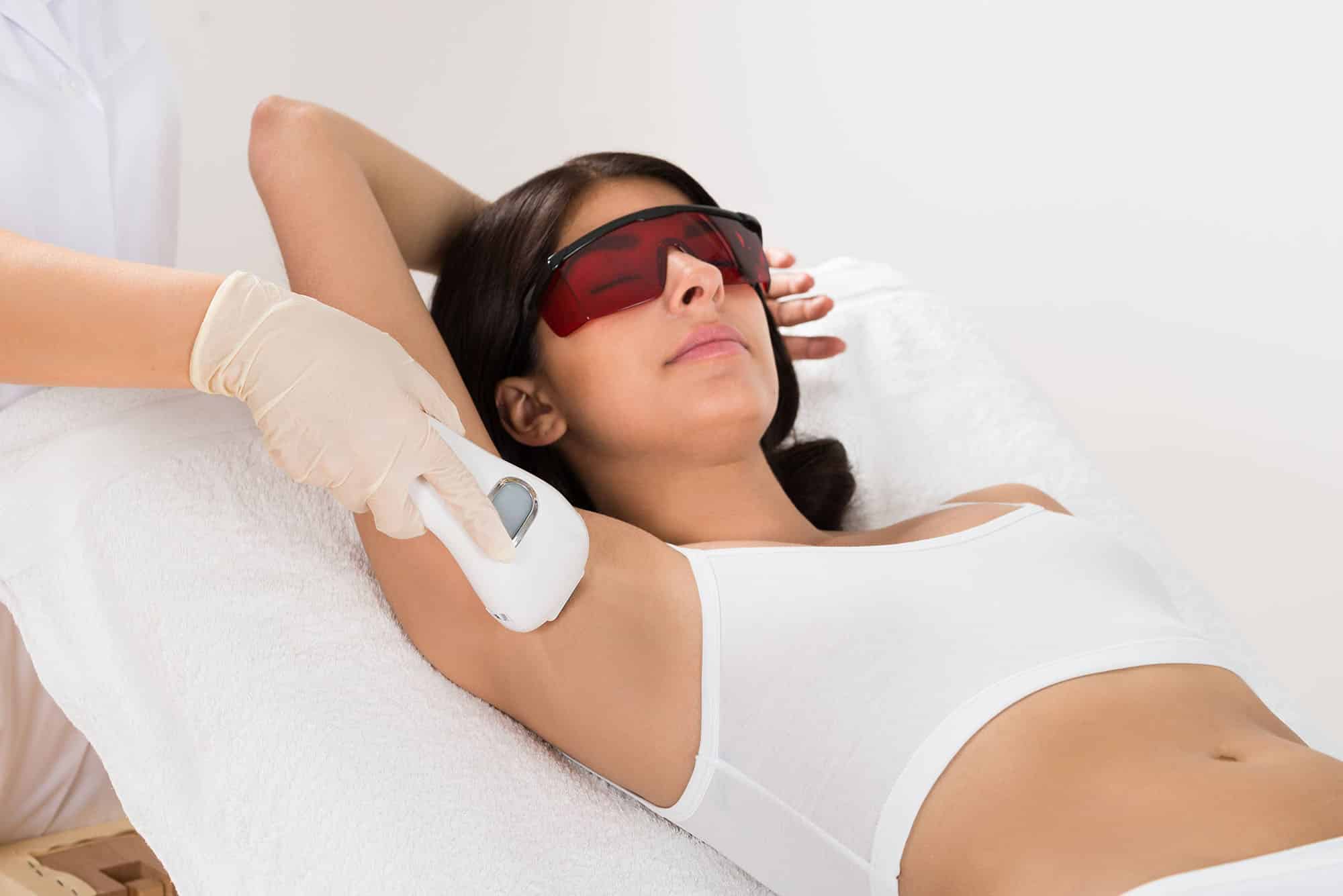
Dr Edwin recommends either the Spectra Q Switch Nd YAG laser or PICOlaser for underarm whitening because they safely and effectively target the pigments in the skin which causes dark underarms.
The lasers work by using energy to break down pigments (photoacoustic effect) in the skin.
Lasers do not have downtime and there is no peeling or scabbing.
Discomfort is minimal and may feel like small ant bites. Cold air will also be blown concurrently at the treatment area to reduce redness and discomfort.
Underarm Whitening Creams
In addition to underarm whitening lasers, Dr Edwin would recommend using depigmentation creams daily for better and quicker results.
Key ingredients in underarm whitening creams include Arbutin, Niacinamide, Vitamin C, Hydroquinone and Tretinoin.
Is Underarm Whitening Laser The Same As Hair Removal Laser?
No, underarm whitening laser and hair removal laser are completely different treatments. For hair removal laser, the aim is to permanently remove hair by destroying the hair roots using laser energy.
Underarm whitening lasers focus on destroying melanin (pigmentation) to lighten dark underarms.
As such, hair removal lasers do not whiten underarms and underarm whitening lasers do not remove hair.
For clients who wish to undergo both underarm whitening and hair removal, Dr Edwin recommends spacing the laser treatments 2 weeks apart.
Underarm Whitening Laser Versus IPL, Which Is Better?
IPL stands for intense pulsed light and is available at many beauty salons and spas. Using a broad spectrum of light wavelength, IPL can help to remove hair and lighten pigments. However, compared to lasers, laser is much more precise (using only 1 or 2 specific wavelengths) which allows laser treatments to be more powerful, more effective, and yet safer than IPL.
Of note, only medical clinics are authorized to carry out laser treatments in Singapore.
How do I find the Best Underarm Whitening Clinic in Singapore?
Every clinic offers different Underarm Whitening treatment options. No one clinic is same as the other. If you want to make sure that the Underarm Whitening treatments are performed safely and effectively, make sure that the clinic is experienced in Underarm Whitening lasers. The clinic should also offer information on the various types of Underarm Whitening lasers before proceeding.
Pico (MLA) Fractional Laser Singapore
What is the PICO (MLA) Fractional Laser for?
Pico laser is the latest laser technology in Singapore. The “pico” in pico laser actually stands for picosecond, which refers to its one trillionth of a second pulse duration. Shorter pulse duration results in higher efficacy and a lower risk of side effects.
It's biggest advantage - collagen stimulation with minimal downtime!
How does the Fractional Pico Laser work?
Fractional PICO laser uses the Micro Lens Array (MLA) technology to create controlled small areas of “damage” a.k.a microcavities under the skin via a process called Laser Induced Optical Breakdown (LIOB).
Pulses of ultra-short picosecond laser energy penetrates deeply into the skin to create these microcavities which stimulate the production of collagen and elastin. Dr Edwin will adjust the depth of penetration to effectively treat different types of acne scars and skin concerns.
By increasing the levels of collagen and elastin in the skin, we can achieve improvement of acne scars, pore tightening, reduction of fine lines and skin rejuvenation.
Its unique selling point – These results can be achieved with minimal damage to the upper layers of the skin. i.e minimal downtime and a shorter recovery period.
Fractional Pico Laser vs. other types of Acne Scar treatments
For most individuals, downtime is the single largest deterring factor in pursuing such treatments.
With the latest Fractional Pico Laser treatment, downtime is minimal. After treatment, your skin may appear slightly red. The intensity of redness depends on the severity of scars to be treated and power settings used during treatment. The redness can be minimised with application of the intensive recovery cream.
Numbing cream will be applied for 30 minutes, making the Fractional Pico Laser treatment painless, simple and fuss-free with little to no downtime.
Fractional Pico Laser and Polynucleotide Scar Combination
For enhanced results in acne scar treatment, the Fractional Pico Laser can be combined with Polynucleotide Scar injections and Subcision to comprehensively stimulate collagen and accelerate skin remodeling.
Polynucleotide Scar—commonly recognised as the regenerative salmon DNA injectable in the distinctive blue box—is well-regarded in Korean aesthetic protocols for its ability to repair damaged skin, support post-laser healing, and improve textural irregularities. When administered after Pico Laser, it enhances dermal regeneration, reduces inflammation, and promotes smoother skin recovery, especially in patients prone to post-inflammatory hyperpigmentation (PIH).
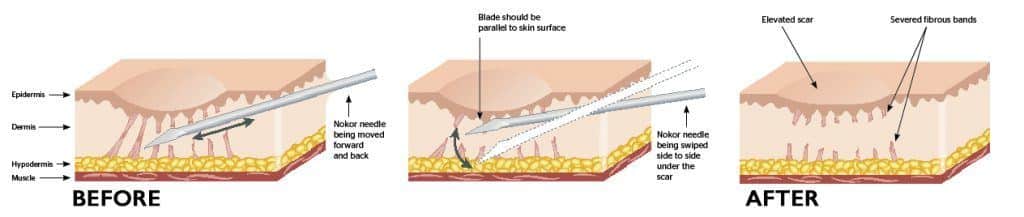
This dual-pronged approach addresses acne scars at multiple skin depths. While the Fractional Pico Laser targets superficial and mid-dermal layers, Subcision releases fibrous bands tethering down deeper scars. Subcision is particularly important in treating rolling and boxcar scars, where underlying collagen anchoring limits visible improvement from laser alone.
How do I find the Best PICO Fractional Laser Clinic Singapore has to offer?
Every clinic offers different PICO fractional laser treatment options for acne scars and pore tightening. No one clinic is same as the other. If you want to make sure that PICO fractional laser treatment are performed safely and effectively, make sure that the clinic is experienced in offering such procedures. The clinic should also offer information on the various types of acne scars and pore improvement treatments before proceeding.
Pico Laser Treatment in Singapore – What It Is, How It Works, and Who It’s For
What Is Pico Laser Treatment and How Does It Work?
Pico Laser is a non-invasive laser treatment that uses ultra-short pulses of energy—measured in picoseconds (trillionths of a second)—to target pigment in the skin. These rapid pulses break down unwanted pigmentation into tiny particles, which are then naturally cleared by your body.
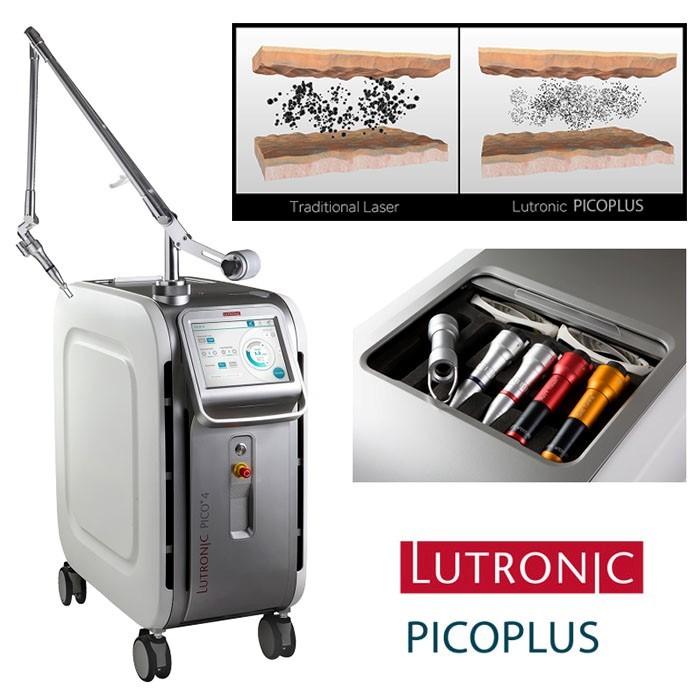
Unlike traditional lasers, Pico Lasers deliver energy in extremely short bursts without generating excessive heat. This reduces the risk of skin damage, making the treatment safer and more comfortable with minimal downtime.
At our clinic in Singapore, we use the Lutronic PicoPlus Laser, a clinically proven device that effectively treats pigmentation, acne scars, uneven skin tone, and signs of ageing. It also stimulates collagen production, helping to improve overall skin texture and brightness over time.
Compared to traditional nanosecond lasers, picosecond lasers have the following benefits:
Higher Efficacy
Increased Safety
Reduced Discomfort
What Skin Concerns Can Pico Laser Treat?
Pico Laser is a highly versatile treatment that effectively addresses a wide range of skin concerns. At our clinic in Singapore, we customise every session based on your skin condition, using different laser wavelengths and handpieces to achieve safe and targeted results.
Here are the most common concerns we treat using the Pico Laser:
Sunspots, age spots, and liver spots (solar lentigines)
Freckles
Melasma
Hori’s Nevus
Post-inflammatory hyperpigmentation (PIH)
The laser breaks down unwanted pigment into fine particles, which your body naturally eliminates. Over time, this results in clearer, more even-toned skin.
Fractional Pico Laser treatments work by creating controlled micro-injuries in the skin, which activates the skin’s natural repair process and improves overall texture.
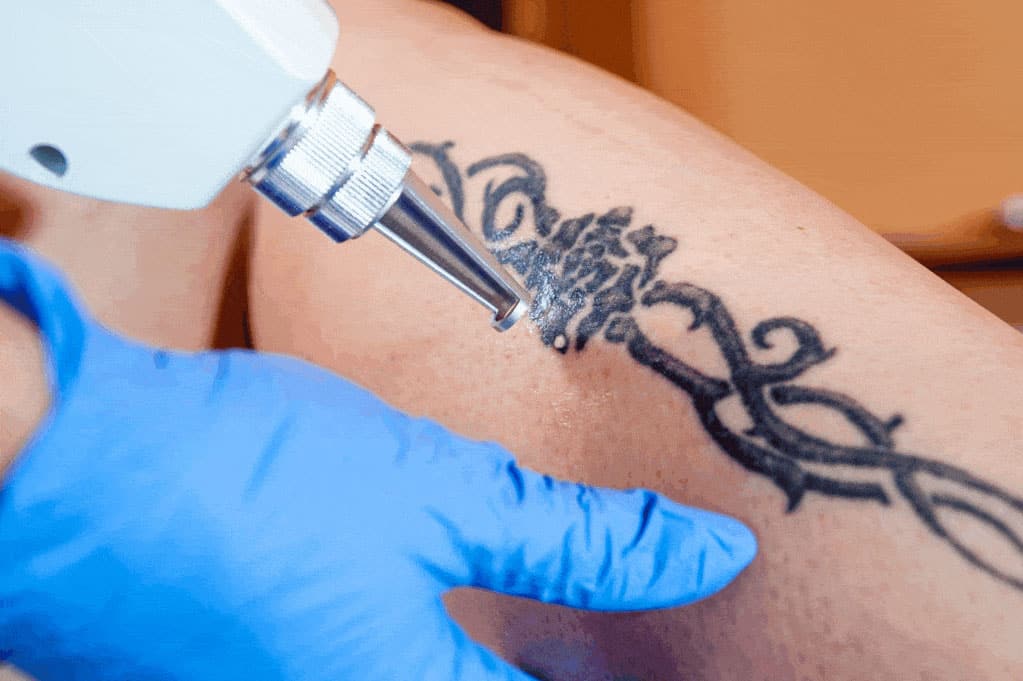
Pico Laser technology is also highly effective for fading unwanted tattoos. The ultra-short pulses shatter ink particles with precision and minimal damage to surrounding tissue, making it a safer option for tattoo removal with a lower risk of scarring.
How Pico Laser Works to Treat Skin Concerns
Pico Laser works by delivering ultra-short bursts of laser energy—measured in picoseconds—into the skin. These high-energy pulses target pigment particles and skin cells without relying on heat, which makes the treatment both effective and gentle.
Unlike older laser technologies, which use longer pulses and generate more thermal energy, the Pico Laser breaks down pigment into microscopic fragments using a photomechanical effect. These tiny particles are then naturally cleared by your body’s immune system.
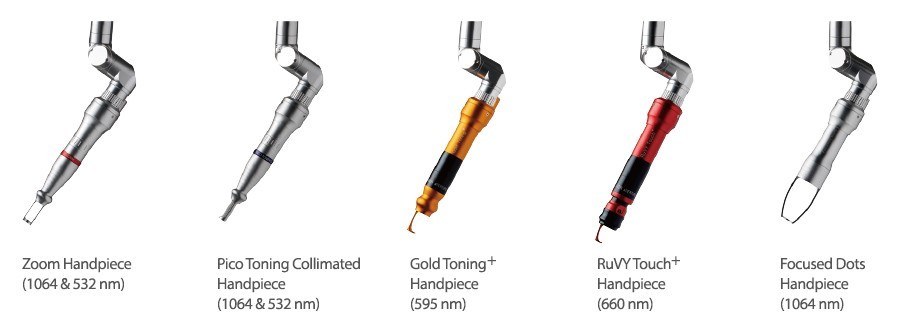
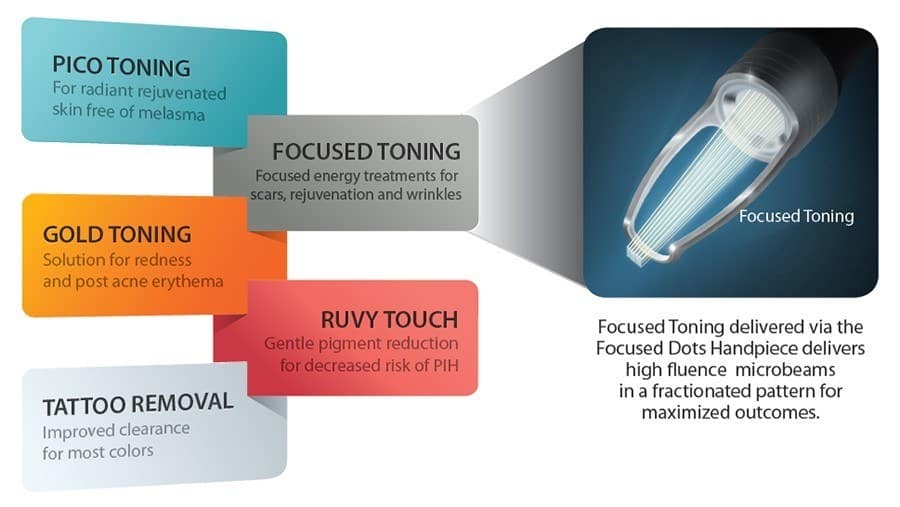
Different settings and handpieces allow us to tailor the treatment based on your skin concern:
1064nm wavelength for pigmentation and overall skin rejuvenation
MLA fractional handpiece for enlarged pores, acne scars, and fine lines
Gold Toning for redness, inflammatory acne, and post-acne marks (PIE)
Over time, Pico Laser also stimulates collagen production, which helps to refine skin texture, improve elasticity, and promote a brighter, healthier-looking complexion—with minimal downtime.
Compared to Nanosecond lasers, Pico Lasers can break down pigments into much smaller fragments because of higher power, enhanced photoacoustic effect and ultra-short laser pulse durations.
As such, pigmentation is cleared faster with fewer treatment sessions required to see results.
Benefits of Pico Laser Treatment
Pico Laser offers several benefits that make it a popular choice for patients in Singapore seeking safe and effective skin rejuvenation. It combines precision, power, and minimal downtime—all while being gentle on the skin.
Key Benefits:
Clinically proven for Asian skin types – Suitable for a range of concerns including pigmentation, acne marks, and redness, with a low risk of post-treatment pigmentation
Minimal discomfort and downtime – Most patients experience only mild redness that subsides within a few hours
Safe for sensitive and inflamed skin – Especially with the Gold Toning handpiece, which targets inflammation without heat damage
Stimulates collagen naturally – Improves skin texture, tightens pores, and softens fine lines over time
Non-invasive and versatile – Customisable settings allow us to treat multiple skin concerns safely, including melasma, PIE, acne scars, and more
Fast treatment time – Sessions typically take 10 to 15 minutes, depending on the area treated
At our clinic, we personalise every Pico Laser session based on your skin goals and concerns—whether you're looking to brighten dull skin, treat stubborn pigmentation, or improve acne scars.
What to Expect During a Pico Laser Treatment
Pico Laser sessions are quick, comfortable, and require little to no downtime. At our clinic, each treatment typically takes around 10 to 15 minutes, depending on the area being treated.
Before the session, your skin will be thoroughly cleansed. No gel is required for the procedure. During treatment, the handheld Pico Laser device is passed across the skin to deliver ultra-short pulses of laser energy to the targeted areas.
Most patients describe the sensation as light snapping or prickling—similar to a rubber band gently flicking against the skin. Numbing cream is generally not needed, except in cases where the fractional handpiece (MLA) or 660nm burn-off setting is used for deeper resurfacing or stubborn pigmentation.
After the session, you may notice mild redness or warmth in the treated area, which typically resolves within a few hours. There is minimal downtime, and most patients resume daily activities immediately.
We recommend applying depigmentation skincare, sun protection and avoiding prolonged sun exposure to maintain and protect your results.
At Edwin Lim Medical Aesthetic Clinic, all Pico Laser treatments are doctor-performed to ensure your safety and comfort throughout the process.
Are There Any Side Effects or Downtime After Pico Laser?
Pico Laser is generally well-tolerated and considered safe for most skin types, including Asian skin. Because it uses ultra-short pulses with minimal heat, the risk of damage to surrounding tissue is low.
Most patients experience mild redness and a warm sensation immediately after treatment. This usually settles within a few hours. In some cases, there may be slight dryness or sensitivity in the days that follow, depending on the handpiece used.
For deeper treatments such as fractional Pico Laser (MLA) or the 660nm burn-off setting, you may experience temporary pinpoint scabbing or mild swelling of the skin. These effects are part of the normal healing process and typically resolve within 3 to 7 days.
There is minimal to no downtime for most patients. You can return to your usual activities immediately, though we recommend avoiding sun exposure and applying a broad-spectrum sunscreen daily.
As with any medical aesthetic procedure, side effects are uncommon when performed in a professional setting.
What Causes Pigmentation and Why It’s Common in Singapore
Pigmentation occurs when the skin produces excess melanin, resulting in dark patches or uneven skin tone. This can be triggered by a variety of internal and external factors.
In Singapore, pigmentation is particularly common due to high UV exposure, heat, and humidity—environmental factors that stimulate melanin production and worsen existing spots.
Common causes of pigmentation include:
Sun exposure – UV rays trigger melanin production, leading to sunspots or solar lentigines
Hormonal changes – Conditions like melasma are often influenced by pregnancy, oral contraceptives, or hormonal imbalances
Post-inflammatory hyperpigmentation (PIH) – Dark marks left behind after acne, eczema, or skin injury
Genetics – Some individuals are more prone to pigmentation due to their skin type or family history
Aging – As the skin ages, it loses its ability to regulate melanin evenly, resulting in uneven pigmentation
Because these types of pigmentation often sit deep within the skin, topical products alone may not be enough. This is where Pico Laser becomes an effective option—it targets pigment clusters at various depths without damaging the surrounding skin, making it suitable for treating pigmentation safely in Asian skin types.
Read more about the causes of pigmentation and how lasers can help. Learn more here
What Does the Pico Gold Toning Laser Treat?
Pico Gold Toning is a specialised setting of the Pico Laser that delivers gentle, low-energy pulses using a 595nm wavelength. This mode is designed to target redness and inflammation in the skin without causing heat-related damage—making it ideal for treating vascular and inflammatory conditions.
At our clinic, we use Pico Gold Toning to effectively manage:
Post-inflammatory erythema (PIE) – red acne marks that linger after breakouts
Inflammatory acne – helps calm active breakouts and reduce associated redness
Rosacea – reduces facial flushing and visible blood vessels
Facial redness – including persistent redness from sun exposure or sensitive skin
This treatment works by gently breaking down hemoglobin, the red pigment found in dilated blood vessels. These superficial vessels are often the cause of facial redness. By targeting hemoglobin, the laser reduces visible redness and inflammation without damaging the surrounding skin.
Because of its gentle nature, Gold Toning is well-suited for sensitive skin and can be performed with minimal to no downtime. Over time, patients typically notice a clearer, calmer, and more even-toned complexion.
Learn more about Red Acne Marks (Post Inflammatory Erythema) here
What Is Pico Fractional Laser and When Is It Used?
Pico Fractional Laser is a specialised mode of the Pico Laser that uses a Micro Lens Array (MLA) to deliver concentrated energy into the deeper layers of the skin. Unlike other settings, this mode creates controlled micro-injuries to stimulate collagen production and activate the skin’s natural healing process.
At our clinic, we use the Pico Fractional Laser to treat:
This setting is more intensive than standard Pico treatments and may involve slight downtime, including redness or pinpoint scabbing. Numbing cream is usually applied beforehand for added comfort.
If you’re looking to improve skin texture or treat depressed acne scars, fractional mode offers excellent results with less downtime than traditional ablative lasers.
Whether you're looking to treat pigmentation, acne scars, redness, or simply achieve brighter, healthier skin—Pico Laser is a safe, clinically proven option with minimal downtime.
At Edwin Lim Medical Aesthetic Clinic, every treatment is customised and doctor-performed. We’ll assess your skin in detail and recommend the most suitable Pico Laser setting based on your skin type, condition, and goals.
Frequently Asked Questions About Pico Laser
What Skin Conditions Can Pico Laser Treat in Singapore?
Pico Laser is a versatile treatment used in Singapore to address a range of skin concerns, including pigmentation (e.g. sunspots, melasma, freckles), acne scars, enlarged pores, dull or uneven skin tone, and fine lines. It is also highly effective in treating facial redness, such as post-inflammatory erythema (PIE) and rosacea, as well as for tattoo removal.
Is Pico Laser Treatment Painful or Uncomfortable?
Most patients describe Pico Laser treatment as very tolerable. The sensation is often likened to light snaps on the skin. For deeper or more intensive settings—such as fractional laser or 660nm spot treatment—numbing cream can be applied to enhance comfort. At our clinic, we prioritise patient comfort and will tailor your settings accordingly.
How Long Does a Pico Laser Session Take?
A typical Pico Laser session lasts between 10 to 15 minutes. It’s a quick procedure that fits easily into a lunch break, with no need for extended downtime. You can resume most daily activities immediately after the session.
What Is the Downtime After Pico Laser Treatment?
Pico Laser treatments usually involve minimal downtime. Most patients experience mild redness for a few hours post-treatment. If a fractional setting (e.g. MLA handpiece) is used, you may notice temporary pinpoint scabbing or light flaking for 2 to 5 days. These are part of the natural healing process and resolve on their own.
How Many Pico Laser Sessions Do I Need for Pigmentation or Acne Scars?
The number of sessions needed depends on the severity of your condition and your skin's response. For general pigmentation or mild acne scars, visible improvement often begins after 3 to 5 sessions. For deeper scars, dark sun spots or stubborn melasma, up to 8 to 10 sessions may be recommended for optimal results. During consultation, we will assess your skin and customise a treatment plan.
Can Pico Laser Remove Red Acne Marks or Post-Inflammatory Erythema (PIE)?
Yes. At our clinic, we use the Gold Toning setting of the Pico Laser to specifically target red acne marks, also known as post-inflammatory erythema (PIE). This mode is also suitable for facial flushing and rosacea. It works by calming inflammation and reducing visible redness with minimal irritation or peeling.
Is Pico Laser Safe for Asian Skin Types?
Pico Laser is considered safe for all skin types, including Asian skin, when administered by experienced medical professionals. Its ultra-short pulse duration reduces the risk of post-inflammatory hyperpigmentation (PIH), making it a safer choice compared to older laser technologies. At our clinic, all settings are tailored to your skin tone and sensitivity level.
What Is the Difference Between Pico Laser and Q-Switched Laser?
The main difference lies in the pulse duration. Pico Lasers deliver energy in picoseconds (trillionths of a second), while Q-switched lasers operate in nanoseconds. The shorter pulse in Pico Lasers allows for more precise pigment fragmentation with less heat, resulting in faster healing, reduced discomfort, and lower risk of side effects.
How Many Pico Laser Sessions Are Recommended for Best Results?
We typically recommend a course of 6 to 10 sessions for the best outcome, spaced about 3 to 4 weeks apart. However, the exact number may vary based on the condition being treated and how your skin responds. A detailed skin assessment during your consultation will help determine the most appropriate number of sessions.
How to Choose the Best Pico Laser Clinic in Singapore?
When choosing a Pico Laser clinic in Singapore, look for a medical facility where treatments are supervised by doctors and performed using authentic Pico Laser devices. The clinic should offer a personalised consultation, explain the available laser settings (e.g. Gold Toning, Fractional MLA), and have experience treating your specific skin concern. At our clinic, all Pico Laser treatments are doctor-led and customised to each patient.
Laser Tattoo Removal Guide Singapore
How does laser remove tattoos?
Laser treatments deliver large amounts of energy safely into the skin to shatter and breakdown tattoo pigments into fine particles. These broken-down pigments are then absorbed and cleared by macrophages which are part of your immune system.
Picosecond Lasers / Picolasers are one of the most effective and safest technology in the market currently for tattoo removal.
Compared to previous generation lasers, Picolasers emit laser beams with extremely short pulses durations, allowing more shots and more energy to be delivered in each second.
This increases the photoacoustic effect (process of laser energy mechanically breaking down pigments), enhancing the laser’s ability to shatter pigments into the smallest possible fragments for clearance by the body’s immune system.
Compared to traditional nanosecond lasers, picosecond lasers have the following benefits:
Higher Efficacy
Increased Safety
Reduced Discomfort
Can laser remove multi-coloured tattoos?
The Lutronic Picoplus Picolaser comes equipped with 4 separate wavelengths and 6 handpieces that allows it to target a wide spectrum of tattoo colours.
1064 nm – Black, Brown
532 nm – Red, Yellow, Orange
660 nm – Green, Violet
595 nm - Blue
Treatment Experience
Strong topical numbing cream is applied to the treatment area for 30 to 45 minutes to reduce discomfort.
During the laser treatment, patients may experience a stinging sensation. Cold air is continuously delivered to the treated area to further reduce discomfort and redness.
After laser, the treatment area may be red and swollen. For post-procedural care, Dr Edwin prescribes an intensive recovery cream for enhanced skin healing, topical antibiotics, and anti-inflammatory cream.
How long is the downtime?
Downtime consists of skin redness, mild swelling and scabbing and typically lasts between 3 to 7 days.
Sun protection with topical sunblock is crucial as well as post procedural creams such as the intensive recovery cream, topical antibiotics, and anti-inflammatory cream for optimal healing and results!
How long before results can be seen?
On average, 80-90% clearance of tattoos can be seen after 4 to 6 treatment sessions. The most significant improvements are usually seen in the first few sessions as larger amounts of tattoo pigments are removed.
The last 10-20% of remaining tattoo pigments may take a longer period for clearance.
What are the side effects?
Rarely, there may be skin pigmentary changes after treatment such as hyperpigmentation or hypopigmentation.
The risk is increased in patients with darker skin tone, large complex tattoos and multi-coloured tattoos.
Scarring is very rare and can be minimized with proper post-treatment care.
Laser Hair Removal in Singapore – Safe, Lasting Results for All Skin Types
Laser hair removal is a clinically proven method for achieving long-term hair reduction across the face and body. In Singapore, smooth, hair-free skin is a common aesthetic goal among both men and women. This treatment offers a convenient and effective alternative to traditional methods such as shaving, waxing, or plucking.
At Edwin Lim Medical Aesthetic Clinic, we use medical-grade technology such as the Diolaze XL diode laser to precisely target and disable hair follicles at the root. This results in gradual yet lasting hair removal with minimal discomfort. Laser hair removal is safe for a broad range of skin types, including tanned and darker skin tones, when performed with the appropriate settings.
How does Laser Hair Removal work?
Laser hair removal works by delivering concentrated light energy into the hair follicles. The pigment (melanin) in the hair absorbs this energy, which is then converted into heat. This thermal effect damages the follicle, reducing its ability to regenerate hair and resulting in progressively smoother skin over time.
At Edwin Lim Medical Aesthetic Clinic in Singapore, we use the Diolaze XL diode laser system, which combines two clinically validated wavelengths: 810 nm and 1064 nm. The 810 nm wavelength is commonly used for lighter to medium skin tones, while the 1064 nm Nd:YAG laser is particularly safe and effective for darker or tanned skin types, including Malay and Indian skin.
The Diolaze XL also features a large treatment applicator, allowing larger body areas—such as the legs, back, or arms—to be treated quickly and efficiently. A built-in cooling mechanism enhances comfort during the procedure by protecting the skin’s surface and minimising heat-related discomfort.
While laser hair removal can achieve long-lasting results, it does not completely eliminate the possibility of new hair follicles forming. Factors such as hormonal changes, genetics, and individual physiology may influence future hair growth. These will be explored further in the section titled “Is Laser Hair Removal Permanent?”
Who Is a Suitable Candidate for Laser Hair Removal?
Laser hair removal is an effective solution for individuals looking to reduce unwanted hair on the face or body. While most people are suitable for treatment, certain factors may influence how well the procedure works and how many sessions are needed.
Ideal Candidates
Those with darker hair and lighter skin typically respond best, as the laser targets melanin in the hair shaft. Commonly treated areas include the underarms, legs, bikini line, back, chest, and face. The treatment is also popular among individuals prone to ingrown hairs or skin irritation from shaving or waxing.
With the use of advanced technology like the Diolaze XL, laser hair removal is also safe and effective for tanned or darker skin tones, provided that the correct wavelength and settings are used.
When Caution Is Needed
Laser hair removal may be less effective in individuals with very light, red, grey, or blonde hair due to reduced pigment. Treatment may also be delayed in cases of active skin infection, recent sunburn, or underlying skin conditions affecting the treatment area.
Those with hormone-related hair growth, such as in polycystic ovary syndrome (PCOS), may still benefit from laser hair removal, but may require more sessions and occasional maintenance. This is discussed further in the section titled "What Factors Impact Laser Hair Removal Results?"
A consultation with our doctors is recommended to assess your skin type, hair characteristics, and suitability for treatment before proceeding.
What Areas Can Be Treated with Laser Hair Removal?
Laser hair removal is a versatile treatment suitable for almost all areas of the face and body. It offers a convenient solution for reducing unwanted hair in both large and small treatment zones, helping patients achieve smoother, low-maintenance skin.
At our Singapore clinic, commonly treated areas include:
Face: Upper lip, chin, cheeks, sideburns, and jawline
Underarms: A popular option for hygiene and aesthetic reasons
Arms and Legs: Full arm and leg hair removal is ideal for long-lasting smoothness
Bikini and Brazilian Areas: Customisable based on personal preference
Back and Chest: Frequently requested by male patients for a cleaner appearance
Abdomen and Stomach Line: To address finer or scattered hairs
Neck and Shoulders: Especially for men with frequent shaving needs
Laser hair removal can be tailored to individual goals, skin types, and hair thickness. Thanks to advanced technology like the Diolaze XL diode laser, we can safely and effectively treat even sensitive or hard-to-reach areas with precision.
How Many Laser Hair Removal Sessions Are Needed?
Laser hair removal is a gradual process that requires multiple sessions to achieve optimal and lasting results. This is because hair grows in cycles, and the laser is most effective during the anagen (active growth) phase. At any given time, only a portion of hair follicles are in this phase, which is why several treatments are necessary to target all follicles effectively.
Typical Treatment Schedule
Most patients in Singapore require between 8 to 12 sessions, spaced 4 to 6 weeks apart, depending on the treatment area and individual response. Areas with coarse or dense hair, such as the underarms or bikini line, may show visible improvement earlier, while finer hair or larger treatment zones may require more sessions.
Factors That Influence Session Count
The total number of sessions needed can vary based on:
Hair colour and thickness
Skin tone
Hormonal influences (e.g. puberty, menopause, or medical conditions like PCOS)
Treatment area (face may need more sessions due to faster regrowth cycles)
Consistency with follow-up treatments
Maintenance Sessions
Although laser hair removal provides long-lasting reduction, some patients may experience new hair growth over time due to hormonal changes or new follicle formation. Maintenance treatments every 6 to 12 months may be recommended to sustain results, especially in hormonally sensitive areas.
A personalised treatment plan will be discussed during your consultation, taking into account your skin type, hair characteristics, and treatment goals.
Benefits of Laser Hair Removal
Laser hair removal offers numerous advantages over traditional methods like shaving, waxing, and threading. With the use of advanced medical-grade lasers, patients can enjoy long-term results with minimal discomfort or downtime.
Key Benefits:
Long-Lasting Hair Removal Laser technology targets hair at the root, reducing regrowth significantly after a series of sessions.
No Downtime Patients can return to their normal activities immediately after treatment, making it ideal for busy lifestyles.
Well-Tolerated and Comfortable Built-in cooling systems help to minimise heat-related discomfort during the procedure.
Safe for All Skin Types With dual wavelengths, including Nd:YAG, our laser system is safe and effective even for darker or tanned skin tones.
Effective for Both Coarse and Fine Hair Suitable for removing thick terminal hairs as well as finer vellus hairs on areas like the face or arms.
Faster Treatment Times The Diolaze XL’s large treatment applicator allows larger areas such as legs or back to be treated more quickly and efficiently.
More Precise than IPL Medical-grade diode lasers offer greater precision and deeper follicular targeting compared to IPL (intense pulsed light) systems.
Customisable for Any Body Area Suitable for both men and women across the face, underarms, bikini line, back, legs, and more.
Laser hair removal offers long-lasting results, but it is not considered fully permanent. While the treatment effectively reduces hair regrowth by targeting and disabling existing hair follicles, it does not prevent the development of new follicles over time.
Regrowth vs. New Hair Growth
It's important to differentiate between hair regrowth and new hair growth.
Hair regrowth refers to hair returning from follicles that were not fully destroyed during treatment.
New hair growth occurs when the body forms entirely new follicles due to hormonal or genetic changes.
Laser hair removal prevents regrowth by damaging the existing follicles, but no treatment can completely stop new follicles from developing.
What Causes New Hair Growth After Treatment?
Several factors can contribute to new hair growth after a successful round of laser treatments:
Hormonal fluctuations: Conditions such as Polycystic Ovarian Syndrome (PCOS) can lead to new hair growth even in previously treated areas.
Genetics: Individuals who are genetically predisposed to having more body or facial hair may notice new hair developing over time.
Age and physiological changes: As hormone levels change with age, some patients may see renewed hair growth in later years.
In these cases, maintenance sessions every few months can help manage new growth and maintain smooth results.
Does Laser Hair Removal Work for All Hair Colours?
The effectiveness of laser hair removal depends on the pigment within the hair shaft.
Dark, coarse hair absorbs laser energy best, making it ideal for treatment.
Lighter hair—such as blonde, white, or grey—contains less melanin and may not absorb enough energy to damage the follicle effectively.
While newer technologies are improving outcomes for finer or lighter hairs, results can vary and are best assessed during consultation.
Laser Hair Removal vs IPL in Singapore – What’s the Difference?
Many patients considering hair removal treatments in Singapore often ask about the difference between laser hair removal and IPL (Intense Pulsed Light). While both are designed to reduce unwanted hair, they differ significantly in terms of technology, safety, and overall treatment efficacy.
IPL Hair Removal
IPL uses a broad-spectrum light source that emits multiple wavelengths. This diffused energy targets melanin in the hair shaft but also affects surrounding skin tissue. While IPL may be moderately effective on dark, coarse hair, it is generally less precise and can carry a higher risk of side effects such as skin irritation, burns, and post-inflammatory hyperpigmentation—especially in patients with darker skin tones.
Laser Hair Removal
Laser hair removal uses a single, concentrated wavelength of light to target hair follicles more selectively and deeply. At Edwin Lim Medical Aesthetic Clinic in Singapore, we use the Diolaze XL diode laser system, which combines high-speed pulses with integrated cooling to enhance both comfort and safety. This technology allows for effective hair removal across a wide range of skin types, including tanned and darker skin.
Laser treatments are also typically more consistent than IPL, with better results across different hair thicknesses and treatment areas. Due to the precision of the laser, it is more suitable for patients with sensitive skin or for use on delicate areas such as the face or bikini line.
What to Expect During a Laser Hair Removal Session in Singapore
Before undergoing laser hair removal, patients are advised to shave the treatment area 12–24 hours prior to the session. Waxing, plucking, or threading should be avoided for at least 3 weeks before the first appointment, as these methods remove the hair follicle, which is necessary for laser targeting.
During the session, the laser will be applied in multiple passes over the target area. Patients may feel a mild warmth or tingling sensation, especially in more sensitive zones such as the upper lip, underarms, or bikini line. Most individuals find the procedure tolerable, particularly with modern laser systems equipped with integrated cooling for enhanced comfort.
Results vary based on skin tone and hair type. Thicker, darker hair typically responds more quickly, while finer or lighter hair may require more sessions. Visible improvement may be observed within a few weeks of the first session, but optimal results are generally achieved after 8 to 12 treatments, spaced 4 to 6 weeks apart.
After each session, patients should continue shaving as needed and avoid hair removal methods that disrupt the follicle, such as waxing or threading, to maintain treatment efficacy.
What Factors Impact Laser Hair Removal Results?
The success of laser hair removal varies from person to person and depends on several biological and technical factors. Understanding these variables can help manage expectations and optimise long-term outcomes.
Hair Colour and Thickness
Laser hair removal targets melanin (pigment) within the hair shaft. Darker, coarser hair contains more melanin, allowing it to absorb more laser energy and respond better to treatment. In contrast, lighter hair colours such as blonde, grey, or red contain less pigment, which may result in a less effective response.
Thicker hair also requires more energy to sufficiently damage the follicle. While effective, it may take more sessions to achieve the desired results.
Skin Tone
Skin tone plays an important role in determining the ideal laser settings and number of sessions. Individuals with darker skin tones have more melanin in their epidermis, which can also absorb laser energy—raising the risk of side effects like hyperpigmentation or burns if incorrect parameters are used.
This is why advanced systems like the Diolaze XL, which offer dual wavelengths including the Nd:YAG 1064nm, are preferred for treating darker or tanned skin. Adjusting laser intensity gradually and monitoring skin response are key to safety and efficacy.
Hormonal Influences
Hormonal imbalances can stimulate new hair growth and affect the results of laser hair removal. For example, conditions such as polycystic ovary syndrome (PCOS) may lead to elevated androgen levels, causing persistent or new hair growth even after multiple sessions.
In such cases, more treatments may be required, and ongoing maintenance sessions may be necessary to manage new growth effectively.
Risks and Side Effects of Laser Hair Removal
While laser hair removal is generally safe and well-tolerated, it is important to be aware of potential side effects. Understanding these risks allows patients to make informed decisions and ensures that appropriate pre- and post-treatment care is followed.
Common Temporary Reactions
Mild redness, swelling, or a warm sensation in the treated area are the most commonly reported effects. These are typically short-lived and resolve within a few hours to a few days. Cooling gels or recovery creams may be recommended to soothe the skin and support healing.
Rare But Possible Side Effects
Though uncommon, laser hair removal can occasionally cause:
Blistering or crusting
Temporary changes in skin texture
Hyperpigmentation or hypopigmentation, especially in darker skin tones if incorrect settings are used
These side effects are usually temporary and can be minimised by choosing the right laser system for your skin type and following proper aftercare.
Patients are encouraged to consult with an experienced doctor or clinic to ensure the safest and most suitable treatment plan tailored to their individual skin profile.
FAQs
What Is Laser Hair Removal and How Does It Work?
Laser hair removal is a non-invasive procedure that uses targeted light energy to destroy hair follicles at the root. The laser targets melanin in the hair shaft, heating and damaging the follicle to reduce future hair growth. With multiple sessions, hair becomes finer, sparser, and less visible over time
Is Laser Hair Removal Permanent?
Laser hair removal offers long-lasting results, but it is not considered fully permanent. While the treatment can effectively reduce regrowth from existing follicles, new hair may develop due to hormonal changes or genetics. Maintenance sessions may be required to keep the area hair-free in the long term.
How Many Laser Hair Removal Sessions Will I Need?
Most patients require 8 to 12 sessions, spaced about 4 to 6 weeks apart. The number of sessions depends on your skin type, hair thickness, treatment area, and hormonal profile. Areas with thicker, darker hair typically respond faster to treatment.
Is Laser Hair Removal Painful?
Laser hair removal is generally well-tolerated. Most patients describe the sensation as a mild warmth or tingling. Advanced systems like Diolaze XL include built-in cooling mechanisms that help reduce discomfort during the procedure.
Is Laser Hair Removal Safe for Dark Skin?
Yes. With the right technology and appropriate settings, laser hair removal is safe for darker skin tones. Devices that utilise the 1064 nm Nd:YAG wavelength are particularly suitable for patients with Malay, Indian, or tanned skin. A proper consultation ensures that settings are tailored to your skin type to minimise risks.
Can I Do Laser Hair Removal If I Have Sensitive Skin?
Yes, laser hair removal can be performed safely on sensitive skin, as long as the laser settings are properly adjusted. A patch test may be conducted before starting treatment to assess your skin's response.
What Areas Can Be Treated with Laser Hair Removal?
Common treatment areas include the underarms, legs, bikini line, face (upper lip, chin, sideburns), chest, back, and arms. Laser hair removal is suitable for both men and women and can be customised based on your concerns and hair type.
What Should I Do Before My Laser Hair Removal Session?
You should shave the treatment area 12 to 24 hours before your appointment. Avoid waxing, plucking, or threading for at least 3 weeks prior, as these methods remove the follicle and reduce laser effectiveness. Also avoid sun exposure and tanning products in the days leading up to treatment.
Are There Any Side Effects?
Temporary redness, swelling, or mild irritation may occur immediately after treatment, but these usually resolve within a few hours to a few days. Rare side effects such as pigment changes or blistering are possible, especially if inappropriate laser settings are used. Choosing an experienced provider reduces these risks significantly.
Can Laser Hair Removal Be Done During Pregnancy?
Laser hair removal is generally not recommended during pregnancy due to the lack of safety data. Most clinics advise postponing treatment until after childbirth.
Can Men Do Laser Hair Removal?
Yes, laser hair removal is suitable for men and is increasingly popular for treating areas such as the back, chest, shoulders, beard line, and neck. It provides a long-term solution to frequent shaving, ingrown hairs, and skin irritation.
What Is the Difference Between Laser and IPL Hair Removal?
Laser hair removal uses a single concentrated wavelength that penetrates deeper and targets hair follicles more precisely. IPL (Intense Pulsed Light) uses a broad spectrum of light that is less specific, making it less effective and riskier for darker skin tones. Laser systems are generally safer, faster, and more consistent in delivering results.
Can I Shave Between Laser Hair Removal Sessions?
Yes, shaving is recommended between sessions if needed. It helps maintain a clean treatment area without disturbing the hair follicle. Avoid waxing, plucking, or threading, as these remove the follicle and interfere with treatment effectiveness.
How Soon Will I See Results from Laser Hair Removal?
Some patients begin to see hair shedding or thinning within 1 to 2 weeks after their first session. However, visible improvement typically becomes more noticeable after 3 to 4 sessions. Full results are usually achieved after a complete treatment course of 8 to 12 sessions.
Book a Laser Hair Removal Consultation in Singapore
Considering laser hair removal for smoother, hair-free skin? At Edwin Lim Medical Aesthetic Clinic, we tailor each treatment plan to your skin type, hair characteristics, and aesthetic goals. Whether you're looking to treat the underarms, legs, bikini line, or facial areas, our advanced laser systems are designed to deliver safe and effective results.
Have questions or ready to get started?
Book a consultation with us today to find out if laser hair removal is right for you.
Fractional CO2 Laser Resurfacing for Acne Scars in Singapore
What Are Acne Scars?
Acne scars are permanent textural changes that occur in the skin as a result of severe or prolonged acne inflammation. When acne lesions damage the skin’s deeper layers, the body attempts to heal the area by producing collagen. However, if too little or too much collagen is produced, it can result in uneven healing and visible scarring.
There are several types of acne scars:
Ice Pick Scars: Deep, narrow scars that extend into the dermis. These are often the most difficult to treat.
Boxcar Scars: Broad, rectangular depressions with well-defined edges, typically found on the cheeks or temples.
Rolling Scars: Shallow, wave-like depressions that give the skin a wavy or uneven appearance.
Hypertrophic Scars: Raised scars formed when too much collagen is produced during healing.
These scars often do not respond to over-the-counter products and require professional treatments such as laser resurfacing or regenerative procedures to achieve visible improvement.
How Fractional CO2 Laser Treats Acne Scars
Fractional CO2 Laser is a clinically proven resurfacing treatment offered at our aesthetic clinic in Singapore. It targets deep layers of the skin to remodel scarred tissue and stimulate new collagen production. The laser creates precise microthermal zones that trigger a natural wound-healing response, encouraging skin renewal while preserving surrounding healthy skin for faster recovery.
This treatment is particularly effective for depressed acne scars such as:
Ice pick scars
Boxcar scars
Rolling scars
Over time, collagen fills in the depressions, resulting in smoother, more even skin texture. Many patients in Singapore choose this treatment for its long-term effectiveness in acne scar reduction and skin rejuvenation.evere acne scarring who are looking for long-term improvement through skin resurfacing.
How eCO2 Fractional Laser Technology Works
The eCO2 laser, available at our clinic in Singapore, utilises Controlled Chaos Technology (CCT™) — a proprietary scanning system designed to maximise safety and effectiveness. By delivering energy in a randomised pattern, CCT™ helps prevent overheating of surrounding skin tissues, which promotes faster healing and reduces the risk of side effects.
During the procedure, the laser creates Micro-Ablative Columns (MACs) — tiny, targeted zones of thermal injury that penetrate the skin. These microscopic wounds activate the body’s natural healing response, stimulating new collagen production and encouraging skin cell renewal.
This controlled resurfacing process:
Improves the appearance of acne scars
Tightens and firms the skin
Enhances skin texture and tone over time
The combination of advanced laser engineering and precise energy delivery makes eCO2 a powerful and effective tool for skin rejuvenation and acne scar treatment.
Benefits of Fractional CO2 Laser for Acne Scars
Fractional CO2 Laser is a clinically proven acne scar treatment that helps to resurface damaged skin and stimulate natural collagen regeneration. At our clinic in Singapore, we commonly recommend this procedure for patients who have moderate to severe acne scarring and are seeking long-term skin improvement.
Benefits of Fractional CO2 Laser treatment include:
Noticeable reduction in the depth and appearance of depressed acne scars
Smoother skin texture and improved tone
Refinement of enlarged pores and reduction in fine lines
Natural collagen stimulation for firmer, healthier skin
Enhanced skin radiance over time
Suitable for a wide range of scar types including ice pick, boxcar, and rolling scars
Because only a fraction of the skin is treated at each session, recovery is faster compared to traditional fully ablative lasers — while still offering effective and measurable results. Most patients in Singapore who undergo this treatment experience visible improvement after just a few sessions.
Who Is Suitable for Fractional CO2 Laser Treatment in Singapore?
Fractional CO2 Laser treatment is ideal for individuals looking to improve the appearance of moderate to severe acne scars, particularly those that are depressed or textural in nature. At our clinic in Singapore, we assess each patient’s skin condition thoroughly to determine if laser resurfacing is appropriate based on scar type, skin tone, and healing capacity.
You may be a good candidate for this treatment if you:
Have visible acne scars such as ice pick, boxcar, or rolling scars
Are in generally good health and not prone to poor wound healing
Are not currently experiencing active acne or skin infections
Have realistic expectations regarding gradual improvement over multiple sessions
Are not on medications or supplements that significantly impair healing (e.g. isotretinoin)
Fractional CO2 Laser is suitable for a wide range of skin types, although patients with darker skin tones may require more conservative settings to reduce the risk of post-inflammatory hyperpigmentation. A detailed skin consultation will help us tailor the treatment plan to your unique skin needs and ensure optimal results.
What to Expect During and After Fractional CO2 Laser Treatment in Singapore
Before each session, a strong numbing cream is applied for 20 to 30 minutes to minimise discomfort during the procedure. At our clinic in Singapore, every session is performed by Dr Edwin with precise technique to ensure both safety and effectiveness.
Each Fractional CO2 Laser treatment is carried out in two parts:
Scar-specific treatment – Dr Edwin uses a higher-powered laser setting to individually target deeper acne scars for maximal collagen stimulation and scar remodelling.
Full-face resurfacing – A gentler laser setting is then applied across the rest of the face to refine skin texture, reduce enlarged pores, and enhance overall skin rejuvenation.
Immediately after the procedure, the skin will appear red and slightly swollen, with the formation of tiny scabs where the micro-ablative columns were delivered. This is part of the normal healing process as new collagen and skin cells are generated.
Downtime typically lasts about 5 to 7 days, depending on the intensity of the treatment and individual healing speed. Most patients return to work after a week, though sun protectionand gentle skincare are crucial during this period.
Dr Edwin recommends the following for best results:
Pre-treatment: Start a medical-grade Vitamin C serum and anti-pigmentation creamtwo weeks before your session to strengthen the skin and reduce post-laser pigmentation risk.
Post-treatment: Use an intensive recovery cream to soothe the skin, promote healing, and minimise dryness or flaking.
It’s important to understand that visible results take time. Fractional CO2 Laser is not a one-off solution. Most patients in Singapore require multiple sessions — spaced about 4 weeks apart — to achieve significant, long-lasting improvements in their acne scars.
CO2 Fractional Laser vs. Pico Fractional Laser – What’s the Difference?
Both CO2 Fractional Laser and Pico Fractional Laser are used in Singapore to treat acne scars, but they differ in mechanism, depth of penetration, recovery time, and effectiveness for certain scar types.
Ablative laser that vaporises micro-columns of skin to trigger collagen production
Non-ablative laser using photoacoustic effect to stimulate collagen
Depth of Penetration
Deeper, reaches dermis
Shallower penetration
Effectiveness
More effective for moderate to severe depressed scars (ice pick, boxcar, rolling)
Mild to moderate acne scars, post-acne redness, and pigmentation
Downtime
5 to 7 days with visible redness and scabbing
Minimal downtime (1–2 days) with mild redness
Pain Level
Moderate discomfort (numbing required)
Generally well tolerated
Number of Sessions
Fewer sessions needed (3–5 on average)
More sessions may be required (5–8+)
At our Singapore clinic, both treatment options are available and often used in combination depending on scar severity, skin type, and desired recovery time. During consultation, Dr Edwin will assess your skin and advise on the most appropriate treatment or combination plan for your specific acne scars.
Combining CO2 Laser with Subcision and Collagen Stimulating Injections
Acne scarring often involves a mix of scar types — from deep rolling scars to surface pigmentation and red marks. To achieve optimal results, a personalised combination approach is typically needed. At our clinic in Singapore, Dr Edwin frequently combines Fractional CO2 Laser with complementary treatments to target various layers of skin damage and accelerate healing.
Subcision is a minor surgical procedure used to treat tethered scars, especially rolling and deep boxcar scars. A fine needle is inserted beneath the skin to release fibrous bands that pull the scar downward. Once these bands are released, the skin is able to lift and remodel. Subcision is often performed just before CO2 Laser treatment for enhanced scar correction.
Polynucleotide (PN) injections—commonly known as the salmon DNA treatment and widely used in Korean medical aesthetics—are regenerative injectables designed to support skin healing and improve acne scar outcomes. These DNA-based molecules stimulate fibroblast activity, enhance collagen remodeling, and promote tissue regeneration, making them especially useful in scar recovery after energy-based treatments.
One of the most recognisable formulations used in clinical practice is often referred to as “Polynucleotide Scar,” known for its signature blue box packaging. It is frequently incorporated into acne scar treatment protocols across Asia due to its targeted skin-repair properties.
When used in combination with fractional CO₂ laser resurfacing or subcision, PN injections help reduce inflammation, minimise downtime, and improve wound healing—particularly for patients with sensitive skin, delayed recovery, or a tendency to develop post-inflammatory hyperpigmentation (PIH). This synergistic approach enhances collagen regeneration and improves long-term scar revision results.
For patients with lingering red acne marks (post-inflammatory erythema) or brown pigmentation (post-inflammatory hyperpigmentation), Dr Edwin may incorporate Pico Laser or Yellow Laser treatments. These non-ablative lasers target excess melanin and superficial blood vessels without affecting surrounding tissue. They can be performed between CO2 Laser sessions to address discoloration and further improve skin clarity.
This dual-action injectable combines hyaluronic acid with a collagen-stimulating compound to address atrophic acne scars—particularly in patients with thin, fragile, or crepey skin. It offers both immediate hydration and gradual dermal remodeling by stimulating collagen synthesis over time.
Commonly incorporated into Korean acne scar protocols, this injectable is especially effective for rolling scars and shallow depressions that do not respond fully to laser resurfacing alone. By reinforcing the skin’s structural matrix and improving elasticity, it enhances textural refinement and supports longer-term scar correction.
When used in combination with CO₂ laser resurfacing or subcision, this treatment contributes to smoother skin texture, improved skin density, and more comprehensive scar resolution.
Frequently Asked Questions (FAQ)
How Many CO2 Laser Sessions Are Needed for Acne Scars?
Most patients in Singapore require 3 to 5 sessions, spaced approximately 4 to 6 weeks apart, to achieve noticeable improvement in acne scar depth and overall skin texture. The exact number of sessions depends on your scar severity, skin type, and individual healing response.
Is Fractional CO2 Laser Painful?
A strong numbing cream is applied before the procedure to reduce discomfort. Most patients describe the sensation as a warm prickling or mild stinging feeling. At our clinic in Singapore, each procedure is performed by Dr Edwin using precise, controlled techniques to ensure comfort and safety.
What Is the Downtime After CO2 Laser Treatment?
Most patients experience 5 to 7 days of downtime. The skin may appear red, feel tight, and develop tiny scabs where the laser was applied. You may resume normal activities after a week with appropriate skincare and sun protection.
When Will I See Results From CO2 Laser Acne Scar Treatment?
Improvements typically begin after the first or second session. However, full results build gradually over 3 to 6 months as your skin continues to remodel collagen. Consistency and patience are key to achieving optimal outcomes.
Can CO2 Laser Treat All Types of Acne Scars?
CO2 laser is especially effective for depressed acne scars such as ice pick scars, boxcar scars, and rolling scars. For best results, we often combine CO2 laser with other treatments such as subcision, Rejuran Scar, or Juvelook to target different scar depths and improve overall skin quality.
Is CO2 Laser Suitable for All Skin Types?
This treatment is generally suitable for lighter to medium skin tones. For patients with darker skin, settings may be adjusted to reduce the risk of post-inflammatory hyperpigmentation. A personalised skin assessment is essential to ensure safety and suitability.
How Should I Prepare My Skin Before Treatment?
We advise patients to start using a medical-grade vitamin C serum and anti-pigmentation cream at least two weeks prior to treatment. This helps strengthen the skin and reduce the risk of pigmentation. After your session, Dr Edwin will prescribe an intensive recovery cream to support healing and reduce redness.
What Is the Difference Between CO2 Laser and Pico Laser for Acne Scars?
CO2 laser is an ablative treatment that resurfaces the skin and is more effective for moderate to severe depressed acne scars. Pico laser is non-ablative and better suited for treating post-acne pigmentation and mild scarring. In many cases, we combine both lasers to target different layers of skin damage for more comprehensive results.
Can I Combine CO2 Laser With Other Acne Scar Treatments?
Yes. At our Singapore clinic, we often combine CO2 laser with subcision, Rejuran Scar, Juvelook, and pigment-targeting lasers such as Pico or Yellow laser. This multi-modal approach allows us to address different types of scars and skin issues more effectively.
How Do I Know If CO2 Laser Is Right for My Acne Scars?
The best way to find out is through a detailed consultation and skin assessment. Factors such as scar type, depth, skin tone, and healing capacity all influence whether CO2 laser is the most suitable option. Dr Edwin will recommend a personalised plan tailored to your specific skin needs and goals.
Will Acne Scars Come Back After CO2 Laser Treatment?
Once acne scars are treated, they typically do not return unless new breakouts occur and lead to new scarring. To maintain results, it’s important to control active acne, follow proper skincare, and attend maintenance sessions if needed.
How to Choose the Best Acne Scar Treatment Clinic in Singapore
Selecting the right clinic for acne scar treatment is essential to achieving safe, long-lasting results. With many clinics in Singapore offering various laser and injectable options, it’s important to choose a provider with the right expertise, technology, and patient-centred approach.
Here are key factors to consider:
Doctor-Led Treatment Ensure that your treatments are performed or supervised by an experienced medical doctor with expertise in acne scar management. At our clinic, Dr Edwin personally assesses each patient and customises the treatment plan based on scar type, skin condition, and individual goals.
Comprehensive Range of Treatments No single treatment can effectively address all types of acne scars. The best clinics in Singapore offer a wide range of options, including CO2 laser, subcision, Pico Laser, and collagen-stimulating injectables like Polynucleotide Scar, allowing for tailored combination therapies.
Advanced Technology Look for clinics equipped with medical-grade, evidence-based devices such as the eCO2 fractional laser, Yellow Laser, and Pico Laser. These technologies allow for precise, safe, and effective treatment of various scar depths and skin tones.
Customised Treatment Plans A personalised approach ensures that the treatment is adapted to your specific skin type, scar pattern, and tolerance for downtime. Avoid one-size-fits-all packages that don’t address individual concerns.
Before-and-After Photos and Reviews Reputable clinics will be transparent about past results and share before-and-after photos or patient testimonials. This helps set realistic expectations and gives you confidence in their expertise.
At Edwin Lim Medical Aesthetic Clinic, we are committed to delivering personalised, medically sound treatment plans for acne scars. Each case is assessed in detail, and combination treatments are recommended based on clinical evidence and your skin’s unique needs.
Take the First Step Towards Smoother, Clearer Skin
Struggling with stubborn acne scars? Let us help you achieve long-term skin improvement with customised laser treatments and combination therapies.
Schedule a personalised consultation with Dr Edwin to assess your skin and create a targeted acne scar treatment plan that suits your goals.
What makes the Carbon Spectra Laser "Hollywood Peel" so popular?
The Carbon Laser Peel otherwise known in the USA as the “Hollywood Peel” was made popular by celebrities such as Angelina Jolie, Kim Kardashian etc. due to its almost instantaneous results with minimal downtime or discomfort.
Perfect for giving them that extra boost before red-carpet events.
Encouraged by the glowing reviews, people have now made the "Hollywood Peel" their monthly maintenance / quick fix for skin that rivals those of celebrities.
Dr Edwin is a big fan of this laser and does it regularly to maintain his skin! Click here to see him in action.
Benefits
Brightening
Increases skin glow
Improves skin tone and texture
Destroys P-acne bacteria and reduces acne breakouts
Have any questions about Carbon Spectra Laser "Hollywood Peel"?
10+ YEARS OF EXPERIENCE
30,000+ AESTHETIC TREATMENTS DONE
PERSONALISED TREATMENT PLAN
📍CHANGI CITY POINT 📍LUCKY PLAZA (ORCHARD)
Treatment Experience
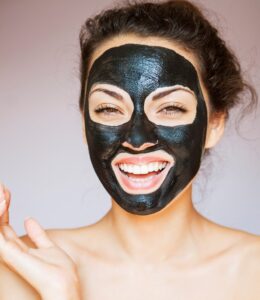
Medical grade Carbon lotion is applied evenly over the entire face and left to be absorbed for 15 minutes. It penetrates the skin and is absorbed in the pores.
The Carbon lotion acts as a photo enhancer, allowing the laser to deliver energy deep into the pores, boosting results! The laser also acts to "peel off" the carbon, killing bacteria, unclogging pores and exfoliating skin in the process.
Next, Dr Edwin will switch to the Spectra Laser Toning mode to brighten skin, improve uneven skin tone and reduce pigmentation. The laser also helps stimulates collagen production and tightens pores and skin.
The carbon removal process produces a ‘popping sound’ which may be unnerving for first-time patients.
Rest assured, there is minimal pain and no downtime. Excluding the carbon lotion application time, the treatment duration is approximately 15 minutes.
Dr Edwin recommends a treatment interval of once a month for optimal results.
FAQs
How long does each treatment take?
A treatment typically lasts around 30mins.
Is it painful?
The treatment feels like tiny ant-bites on the skin. It is very tolerable.
How many treatments are required?
Results can be seen after the 1st session. Ideal results are seen after 2-4 sessions.
Is there any downtime?
Downtime is minimal or none at all. Some patients may experience slight redness which subsides after 1-3 hours.
How do I find the Best Carbon Laser Clinic Singapore has to offer?
Every clinic offers different laser treatment options for skin enhancement. No one clinic is same as the other. If you want to make sure that carbon laser treatments are performed safely and effectively, make sure that the clinic is experienced in offering such lasers. The clinic should also offer information on the various types of carbon lasers before proceeding.
Glow Bright Laser
What is the Glow Bright (Skin Brightening) Laser?
The Glow Bright (Skin Brightening) Laser program created by Dr Edwin Lim utilises the non-invasive and minimal downtime Pro-Yellow laser to restore skin radiance and promote healthy glowing skin.
This made in Germany Pro Yellow laser utilizes a special 577nm wavelength laser to effectively and safely treat both light and dark skin types by targeting pigment cells and the blood vessels that supply these pigment cells.
Using this 2 pronged approach, pigments are broken down and production of new pigments are reduced at the same time!
In addition, the Pro Yellow laser treats the aging support structure of the skin by stimulating the production of collagen and elastin leading to more luminous and youthful skin.
The term glass skin made popular by Korean celebrities refers to having skin that is bright, glowing, clear and poreless (smooth) so much so that it looks like glass.
The Proyellow Glow Bright Laser is also known as the Glass Skin Laser in other clinics because if the skin glow and brightening benefits.
There are also other methods that can be used in combination to enhance the glass skin effect such as:
Skincare - Whitening serums, Skin lightening creams as well as Hydrating serums.
Most patients will experience warmth on their skin during the procedure. This Pro Yellow skin brightening laser is not painful at all!
The cold air blower will be used concurrently to reduce discomfort and skin redness. In fact, most of the time, patients will only feel the cold air.
Treatment duration is approximately 15 minutes and after the first session, brightening and glow may be noticeable over the cheekbone and T-zone area.
Dr Edwin finds that more obvious and significant results are usually seen after 3 to 5 sessions.
There is ZERO downtime and skin redness is minimal.
Dr Edwin recommends that treatments should be done once every 2 to 4 weeks.
FAQs
How long does each treatment take?
A treatment typically last between 15-30mins, depending on the condition or treatment area.
Is it painful?
The treatment feels like tiny ant-bites on the skin. It is very tolerable.
How many treatments are required?
Brightening can be seen in as little as 1 to 2 sessions.
Is there any downtime?
Downtime is minimal or none at all. Some patients may experience slight redness which subsides after 1-3 hours.
How do I find the Best Skin Brightening Laser Singapore has to offer?
Every clinic offers different laser treatment options for glowing and brighter skin. No one clinic is same as the other. If you want to make sure that glow bright laser treatments are performed safely and effectively, make sure that the clinic is experienced in offering such laser treatments. The clinic should also offer information on the various types of lasers before proceeding.
Pigmentation and Melasma Laser Treatment in Singapore
What lasers are used?
Depending on the type of pigmentation, skin type and condition, Dr Edwin will select between the Spectra Pigmentation Laser or Pro-Yellow Laser.
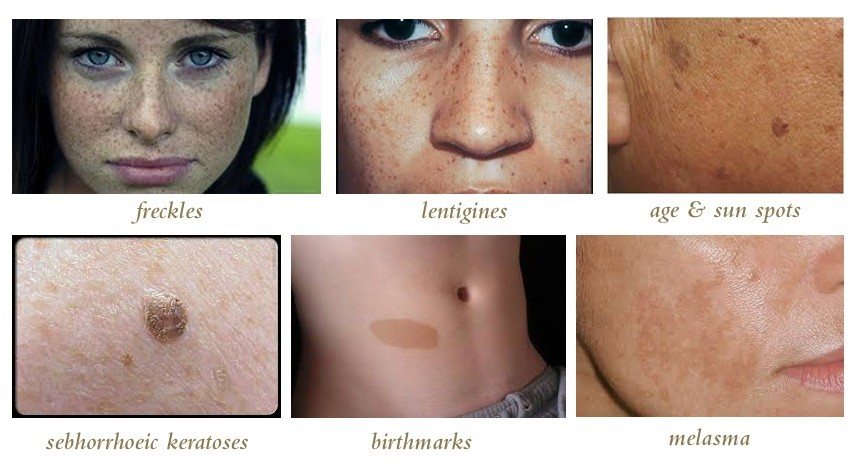
Dr Edwin finds the Lutronic Spectra XT Pigmentation Laser is more ideal for freckles, lentigines and sun spots while the Norseld Pro-Yellow Laser is more effective in treating melasma.
The eCO2 laser is recommended for removal of bumps like Sebhorrhoeic Keratoses (painless brown growths),
Why Spectra Q-switched Nd-Yag Pigmentation Laser?
The Lutronic Spectra XT Pigmentation Laser is a powerful and versatile FDA approved Q-Switched Nd: Yag laser that is clinically proven to treat a wide variety of conditions such as:
Freckles
Sunspots, Agespots
Melasma
Post inflammatory hyperpigmentation
Tattoo Removal
Skin rejuvenation
Skin brightening
How does it work?
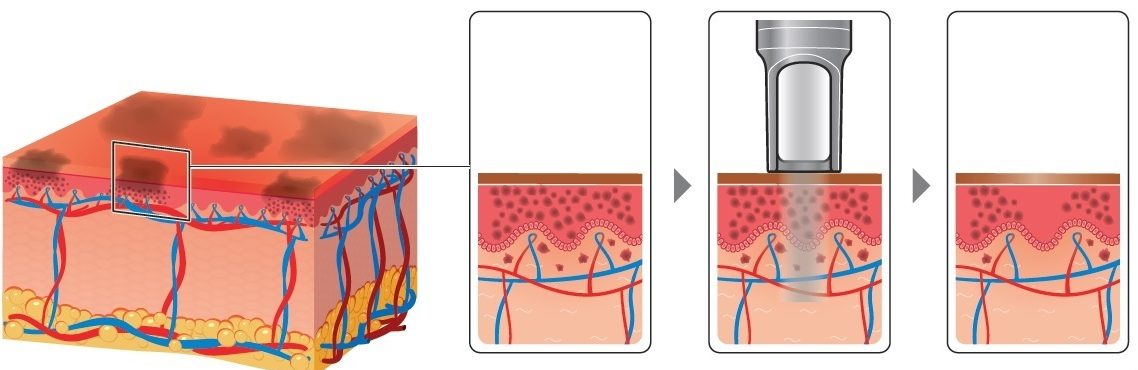
This non-invasive treatment utilizes advanced laser technology to target melanin (pigments) in the cells. Illustrated in the picture below, these pigmentation are shattered into smaller pieces which are then cleared by the body’s natural removal process - resulting in improvement of pigmentation.
In addition to reducing pigments, the Spectra Laser also brightens skin and treats uneven skin tone. Skin tone and colour is determined by the number of pigment cells. By reducing the number of pigment cells through laser, the skin will enjoy a brightening effect and lighter tone.
Have any questions about Spectra Q-switched Nd-Yag Pigmentation Laser?
10+ YEARS OF EXPERIENCE
10 ,000+ PIGMENTATION CASES
PERSONALISED TREATMENT PLAN
📍CHANGI CITY POINT 📍LUCKY PLAZA (ORCHARD)
Pigmentation Treatment Experience in Singapore
Patients can expect a very mild ant-bite like sensation during the laser. The cold air blower will be used concurrently to reduce discomfort and skin redness. Overall, the laser is comfortable and definitely not classified as painful!
The treatment duration is approximately 15 minutes and there is no downtime for the Spectra 1064nm laser. Some patients may experienced mild redness lasting 4 to 6 hours. We recommend applying the intensive recovery cream for optimal results.
Dr Edwin may recommend the stronger "burn off" spectra 660nm laser for stubborn pigmentation. However, there will be scabbing and hence downtime of between 3 to 7 days after the treatment.
How about Melasma Laser Treatment?
Dr Edwin finds that treatment of melasma can be difficult in some cases and is associated with high rates of recurrence because of the following factors which may worsen melasma.
Hormonal medications such as birth control pills
Sun exposure
Pregnancy
Genetic Predisposition
Dr Edwin has created an intensive Melasma treatment regime that combines oral TA, specially formulated skincare products and creams as well as laser combination treatment.
How does the Pro-Yellow Melasma Laser help Melasma?
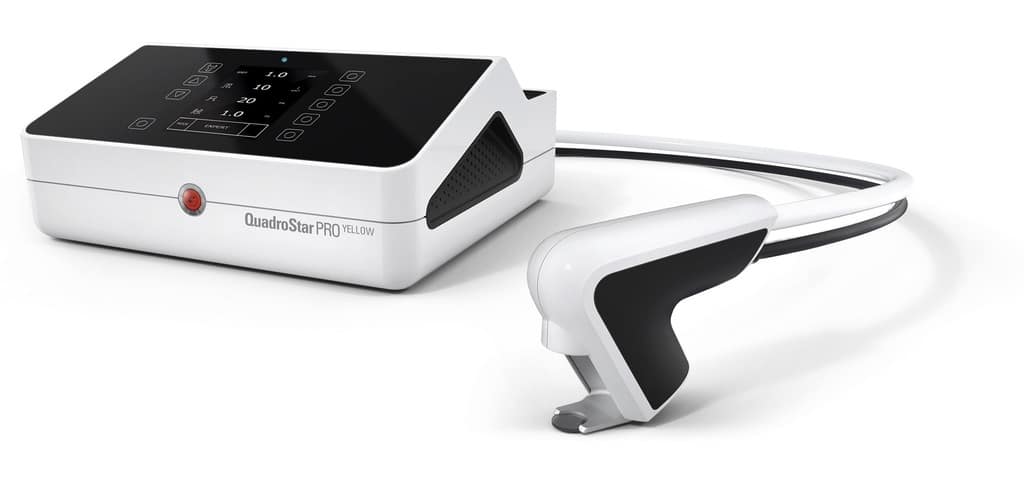
The Quadrostar Pro Yellow laser lightens Melasma by removing excess pigmentation.
This made in Germany laser utilizes a special 577nm wavelength laser to effectively and safely treat both light and dark skin types by targeting pigment cells and the blood vessels that supply these pigment cells.
By targeting blood vessels supplying the pigment cells, the Pro Yellow laser improves longevity of results by suppressing pigment formation and lowering the risk of melasma recurrence.
Melasma Treatment Experience in Singapore
Most patients will experience warmth on their skin during the procedure. This laser is not painful at all!
The cold air blower will be used concurrently to reduce discomfort and skin redness. In fact, most of the time, patients will only feel the cold air.
Treatment duration is approximately 15 minutes. More obvious and significant results are usually seen after 5 to 10 sessions.
There is ZERO downtime and skin redness is minimal. Dr Edwin recommends a treatment interval is once every 2 to 4 weeks.
A treatment typically last between 15-30mins, depending on the condition or treatment area.
Is it painful?
The treatment feels like tiny ant-bites on the skin. It is very tolerable.
How many treatments are required?
Brightening can be seen in as little as 2 to 3 treatments. Depending on severity of pigmentation and lifestyle factors, an improvement of 70-90% is expected after 10 sessions.
Is there any downtime?
Downtime is minimal or none at all. Some patients may experience slight redness which subsides after 1-3 hours.
How do I find the Best Pigmentation Laser Clinic Singapore has to offer?
Every clinic offers different laser treatment options for pigmentation. No one clinic is the same as the other. If you want to make sure that pigment laser treatments are performed safely and effectively, make sure that the clinic is experienced in offering such lasers. The clinic should also offer information on the various types of pigmentation lasers before proceeding.
Acne Laser Treatment Singapore – Doctor-Led Care for Active Acne & Redness
What Is Acne Laser Treatment?
Acne laser treatment refers to the use of medical-grade lasers to reduce active acne breakouts, calm inflammation, and lighten red marks left behind by pimples — also known as post-inflammatory erythema (PIE).
At our clinic in Singapore, we use specific laser wavelengths that target overactive oil glands and inflamed blood vessels beneath the skin. This helps to control acne formation, soothe ongoing breakouts, and improve skin clarity over time.
How Pro Yellow Laser Treats Active Acne and Red Acne Marks (PIE)
At our clinic, we use the Pro Yellow Laser — a medical-grade 577nm wavelength laser — specifically for treating active acne and post-inflammatory erythema (PIE). This laser is highly effective at targeting the underlying blood vessels and inflammation associated with acne lesions.
By penetrating the skin to reach superficial blood vessels, the Pro Yellow Laser:
Reduces redness and inflammation linked to active pimples
Destroys acne-causing bacteria to calm ongoing breakouts
Improves post-acne red marks (PIE) by shrinking dilated capillaries and calming residual redness
Regulates oil production, helping to prevent future breakouts
Other common indications for Pro Yellow Laser include:
How Pro Yellow Acne Laser Works to Treat Active Breakouts and Red Marks
The QuadroStar Pro Yellow Laser is a German-engineered medical laser used in our clinic’s acne laser treatments in Singapore.
It is an advanced evolution of the older Dual Yellow Laser and emits a highly specific 577nm wavelength that is clinically effective for reducing acne-related inflammation and red acne marks (also known as post-inflammatory erythema or PIE).
This wavelength works by targeting multiple acne-related factors:
P. acnes bacteria – reducing the bacterial load that drives active acne
Sebaceous (oil) glands – helping to regulate excess oil production and minimise clogged pores
Dilated blood vessels – calming facial redness and fading PIE
Beyond its anti-inflammatory effects, the Pro Yellow Laser also stimulates collagen production, supporting skin healing and improving overall skin clarity. This makes it an excellent choice for individuals struggling with persistent breakouts, acne-prone skin, and red post-acne marks.
Benefits of Acne Laser Treatment for Active Acne and Red Acne Marks
Acne laser treatments using the Pro Yellow Laser offer multiple benefits for individuals struggling with persistent pimples, inflamed skin, and post-acne redness. Unlike topical creams or oral medications, laser therapy works directly on the deeper layers of the skin, addressing the root causes of breakouts and inflammation.
Key Benefits Include:
Reduces Active Breakouts The laser targets acne-causing bacteria and overactive oil glands, helping to reduce the frequency and severity of new pimples.
Lightens Red Acne Marks (PIE) By targeting superficial blood vessels, the laser helps to lighten post-inflammatory erythema — the red marks that often remain after acne has healed.
Calms Inflammation and Redness The anti-inflammatory properties of the Pro Yellow Laser make it ideal for patients with irritated, sensitive, or inflamed acne lesions.
Helps Prevent Future Acne Formation With consistent sessions, laser therapy helps regulate sebum production and minimise clogged pores, reducing the likelihood of future breakouts.
Safe for Sensitive and Acne-Prone Skin Pro Yellow Laser is gentle and suitable for a wide range of skin types, including those with active acne or rosacea-prone skin.
Minimal Downtime Most patients experience only mild redness after treatment, with no peeling or significant recovery period required.
Can Acne Laser Treatment Help Lighten Red Acne Marks (PIE)?
Yes. The Pro Yellow Laser is highly effective in treating post-inflammatory erythema (PIE) — the red marks that often remain after moderate to severe acne has healed.
These marks are caused by damaged and dilated blood vessels near the skin’s surface, which can persist long after inflammation resolves. Unlike acne scars or pigmentation, PIE is a vascular condition that responds best to vascular-specific laser wavelengths.
The Pro Yellow Laser operates at 577nm, a wavelength with up to 40% higher absorption in blood compared to traditional green lasers (532nm). This enhanced absorption allows for more targeted treatment with lower energy levels, reduced discomfort, increased safety, and improved results when treating red-coloured lesions.
By precisely targeting these superficial blood vessels, the Pro Yellow Laser helps to lighten redness, even out skin tone, and accelerate the skin’s recovery after acne.
At our clinic, acne laser treatments are doctor-performed and customised to each patient’s skin condition. The procedure is comfortable, quick, and suitable for patients with active breakouts, oily skin, or red post-acne marks (PIE).
What Happens During the Acne Laser Session
Most patients describe the treatment sensation as a gentle warmth or light tingling on the skin. To begin, Dr Edwin uses the Pro Yellow Laser to perform 2 to 3 full-face passes. This targets acne-causing bacteria and helps to shrink overactive sebaceous glands.
He then adjusts the settings to specifically focus on inflamed acne lesions and areas with post-inflammatory erythema. During this phase, patients may feel small pinpricks or ant bite–like sensations — this is normal and well tolerated.
To enhance comfort, a cold air blower is used throughout the treatment to cool the skin and minimise any heat-related redness. In fact, most patients report feeling more of the cold air than the laser itself.
The entire session takes approximately 15 minutes. Many patients notice a mild reduction in redness even after the first session, with more significant improvements becoming visible after 5 to 10 treatments.
There is no downtime. Mild redness may occur immediately after the procedure but typically resolves within 4 to 6 hours. For active acne, we usually recommend laser sessions every 2 to 4 weeks for best results.
Combining Acne Laser With Medications, Skincare, and Pimple Injections
While acne laser treatment is a powerful tool on its own, the best outcomes are often achieved when it is part of a comprehensive, doctor-prescribed treatment plan. At our clinic, we may recommend combining laser therapy with oral medications, targeted skincare, or direct pimple injections to accelerate progress for best results.
For moderate to severe acne, prescription medications such as oral antibiotics, isotretinoin (accutane), or spironolactone (for hormonal acne) may be used to complement the anti-inflammatory effects of laser.
Dr Edwin Lim has developed a complete range of medical-grade skincare products formulated to support acne treatment and post-laser skin recovery. These products help regulate sebum, unclog pores, reduce inflammation, and lighten acne marks.
Key products in our acne skincare range include:
Exfoliating Daily Scrub Gently exfoliates with Glycolic Acid, Lactic Acid, Salicylic Acid, and Jojoba beads to reduce blackheads and improve skin texture.
Clarifying Acne Toner An aloe-based toner infused with multi-fruit acids (AHA) and Calendula Flower Extract to refresh the skin and reduce acne-causing bacteria.
Comedone Control Complex A lightweight serum with botanical extracts designed to regulate oil production and minimise blackheads and whiteheads.
Anti Blemish Formula Contains Azelaic Acid and a multi-herbal complex to calm breakouts, reduce inflammation, and lighten red acne marks.
Tri-Whitening C Serum Combines Vitamin C, Alpha-Arbutin, and Niacinamide to lighten post-acne pigmentation and even out skin tone.
Ultra Light Hydrator A non-comedogenic water gel moisturiser with Aloe Vera, Chamomile, and Ginseng to hydrate and soothe acne-prone skin.
Acne Spot Cream A rapid-acting topical containing anti-inflammatory and antibacterial agents to shrink active pimples quickly.
For large, painful acne cysts or nodules, intralesional injections containing corticosteroids and antibiotics can be administered. These injections reduce inflammation and accelerate healing, often leading to noticeable improvement within 24 to 48 hours.
By combining these treatments, we address multiple facets of acne pathogenesis, including bacterial proliferation, inflammation, sebum production, and post-acne pigmentation, ensuring a comprehensive approach to acne management.
This multi-modal approach ensures that we address all contributing factors of acne — from inflammation and oil production to bacteria and hormonal triggers — resulting in faster, longer-lasting improvements.
Why Choose Our Clinic for Acne Laser Treatment in Singapore
At our clinic, acne laser treatments are delivered with precision, experience, and a deep understanding of skin biology. We don’t believe in one-size-fits-all solutions. Every acne case is assessed and managed holistically by Dr Edwin Lim to ensure optimal results tailored to your skin condition.
What Sets Us Apart:
Doctor-Led, Customised Acne Care All treatments are personally performed or supervised by Dr Edwin Lim, who has extensive experience in treating both mild and severe forms of acne. From hormonal breakouts to cystic acne and post-inflammatory erythema (PIE), each treatment plan is personalised based on your skin type and concerns.
Medical-Grade Pro Yellow Laser Technology We use the QuadroStar Pro Yellow Laser — a German-engineered, 577nm vascular laser ideal for treating red acne marks, active inflammation, and acne-prone skin. It offers greater precision, less discomfort, and faster recovery compared to conventional laser systems.
Integrated Treatment Approach In addition to laser therapy, we offer a full spectrum of medical acne treatments — including oral medications, pimple injections, and our in-house formulated acne skincare range — to tackle acne at every stage and prevent recurrence.
Two Convenient Clinic Locations We are located at Orchard (Lucky Plaza) and Changi City Point, providing easy access for patients across Singapore.
At our clinic, your acne treatment journey is always doctor-guided, results-driven, and tailored for long-term skin health — not just temporary fixes.
Frequently Asked Questions About Acne Laser Treatment
How Often Should I Do Acne Laser Treatments?
Acne laser treatments are typically performed once every 2 to 4 weeks, depending on the severity of your acne and skin response. Dr Edwin will personalise the frequency to ensure optimal results with minimal irritation.
How Long Does an Acne Laser Treatment Take?
Each session takes approximately 10 to 15 minutes. The procedure is quick and efficient, making it suitable even for those with a busy schedule. Most patients are in and out of the clinic within 30 minutes.
Is Acne Laser Treatment Painful?
Most patients find the treatment very tolerable. You may feel a warm tingling sensation or mild pinpricks, especially when targeting inflamed areas. A cold air blower is used throughout to minimise discomfort and redness. Numbing cream is usually not required.
How Many Treatments Are Needed to See Results?
Some improvement can be seen after the first few sessions. For more significant and longer-lasting results, a series of 5 to 10 sessions spaced 2 to 4 weeks apart is usually recommended. Results are cumulative and continue to improve with each visit.
Is There Any Downtime After Acne Laser?
No, there is no downtime. Mild redness may occur immediately after treatment but usually subsides within 4 to 6 hours. You can resume your normal activities straight after the session.
What Are the Side Effects of Acne Laser?
The most common side effect is transient facial redness, which typically resolves within a few hours. There is no peeling or flaking. Dr Edwin may recommend applying a post-laser recovery cream to calm the skin and enhance healing.
What’s the Difference Between Acne Laser and Acne Scar Treatments?
Acne laser treatments, such as the Pro Yellow Laser, are used to treat active acne, reduce inflammation, and lighten red acne marks (post-inflammatory erythema). They are not designed for treating acne scars.
Yes. At our clinic, acne laser treatments are often combined with oral medications, topical acne creams, doctor-formulated skincare, and pimple injections. This multi-modal approach allows us to target acne from multiple angles — inflammation, oil production, bacteria, and clogged pores — for faster and more effective results.
Does Acne Laser Help With Hormonal Acne?
Acne laser can help reduce the inflammation and redness associated with hormonal acne, but it does not treat the root hormonal imbalance. For patients with hormonally driven breakouts, laser therapy is typically used alongside oral medications or hormonal treatments for best results.
How Do I Find the Best Acne Laser Treatment in Singapore?
Look for a clinic that offers doctor-led care, evidence-based technology, and personalised treatment plans. At our clinic, every acne case is reviewed by Dr Edwin Lim, who tailors each treatment based on your skin condition. We use the Pro Yellow Laser — a medical-grade vascular laser clinically proven to reduce inflammation, redness, and breakouts with minimal downtime.
Ready to Take Control of Your Acne?
If you're struggling with active breakouts or red acne marks, our doctor-led acne laser treatments in Singapore can help restore clearer, calmer skin. Every treatment plan is customised by Dr Edwin Lim to suit your skin type and acne severity. Book a consultation today to start your personalised acne treatment journey.