Stretch marks—also known as striae—are a common skin concern that can develop after pregnancy, weight changes, growth spurts, or rapid muscle gain. While stretch marks are not harmful, many individuals wish to reduce their appearance and restore smoother, more even-toned skin.
At our Singapore clinic, we offer doctor-led stretch mark treatments that harness the latest regenerative technologies, including injectable solutions that actively stimulate your body’s natural collagen production. These therapies target the underlying causes of stretch marks, helping to fade discolouration, smooth uneven texture, and support healthy skin renewal.
Through a personalised and minimally invasive approach, our stretch mark treatments are designed to visibly reduce the appearance of stretch marks and rejuvenate skin confidence. Continue reading to learn how our evidence-based solutions can help you achieve lasting, natural-looking results.
Stretch marks, medically known as striae, are narrow lines or streaks that appear on the skin when it is stretched rapidly beyond its natural elasticity. These marks often begin as reddish or purple streaks and gradually fade to a lighter, silvery or white colour over time. Stretch marks are a form of dermal scarring that occurs when the deeper layers of the skin (the dermis) are damaged due to sudden stretching.
Common situations that can trigger the development of stretch marks include pregnancy, puberty-related growth spurts, rapid weight gain or loss, and intense muscle building. Both men and women can experience stretch marks, though they are particularly common in women during pregnancy.
While stretch marks do not pose any health risks, many individuals feel self-conscious about their appearance, especially when they appear on visible areas of the body such as the abdomen, thighs, hips, buttocks, arms, or breasts.

Stretch marks develop when the skin is forced to stretch or shrink more quickly than it can adapt. This rapid change causes the collagen and elastin fibres within the dermis—the middle layer of the skin—to tear, resulting in visible streaks or scars on the surface.
Several factors can contribute to the formation of stretch marks:
Ultimately, the root cause of stretch marks is the breakdown and insufficient repair of collagen and elastin fibres in the skin. Treatments aim to address this underlying issue by stimulating collagen production and supporting natural skin regeneration.

Stretch marks can appear on various parts of the body, typically forming in areas where the skin is subjected to the most stretching or rapid expansion. While anyone can develop stretch marks, certain regions are more commonly affected:
The appearance, severity, and distribution of stretch marks can vary from person to person. They may start as reddish or purplish lines and eventually fade to white or silvery streaks. While they are not medically harmful, their presence can impact self-confidence and body image, leading many individuals to seek effective treatment options.
Pregnancy stretch marks—also known as striae gravidarum—are a frequent concern for women in Singapore, especially during and after pregnancy. As your belly grows to accommodate your baby, the skin stretches rapidly, often resulting in red or purple streaks on the abdomen, hips, thighs, and breasts.
Why Do Pregnancy Stretch Marks Occur?
These marks form when the skin’s connective tissue is stretched beyond its capacity, causing the underlying collagen and elastin fibres to tear. Hormonal changes in pregnancy further soften these tissues, making stretch marks even more likely. Genetics, age, and the amount of weight gained during pregnancy can all influence the risk and severity of stretch marks.
Can Pregnancy Stretch Marks Be Prevented?
While complete prevention is difficult, you can lower your risk by keeping the skin well-hydrated, maintaining healthy and gradual weight gain, and eating a balanced diet rich in vitamins and minerals. Using moisturisers or oils can help, but some women will develop stretch marks regardless of preventive measures due to genetic and hormonal factors.
Safe Treatment Options After Pregnancy
At our Singapore clinic, we specialise in doctor-led, evidence-based treatments designed for postpartum stretch mark removal. Our protocols combine fractional CO₂ laser, PICO laser, yellow laser, and collagen-stimulating injectables such as Polynucleotide Scar. These therapies promote collagen regeneration, fade stretch mark discolouration, and improve overall skin texture and elasticity.
When Is the Best Time to Start Treatment?
For most women, it is advisable to start stretch mark treatments after giving birth and completing breastfeeding. Early treatment—when marks are still red or purple—often produces faster and more significant results, but older, white stretch marks can also benefit from tailored protocols.
Are These Treatments Safe for Postpartum Women?
Yes, our clinic uses only HSA-approved technologies and injectables, and all procedures are performed by experienced doctors. During your consultation, we will assess your health, skin condition, and personal goals to recommend the safest, most effective treatment plan for your stage of postpartum recovery.
How Many Sessions Are Needed?
Most patients require multiple sessions, spaced several weeks apart, for optimal results. The exact number depends on the severity, age, and colour of your stretch marks, as well as your body’s response to treatment.
It is a common misconception that stretch marks can be permanently erased. While there is currently no treatment that can completely remove stretch marks, modern aesthetic medicine offers effective solutions that can significantly improve their appearance.
The primary goal of stretch mark treatments is to lighten the colour of existing marks, smooth out the texture, and help them blend more naturally with the surrounding skin. Treatments work by stimulating the skin’s natural repair processes—most notably by encouraging new collagen formation and boosting skin regeneration.
With consistent and doctor-led care, stretch marks can become much less noticeable. Many patients experience visible improvements in the colour, texture, and overall uniformity of their skin after a customised treatment plan. Early intervention—when stretch marks are still red or purple—often leads to better results, but even older, more established stretch marks can show substantial improvement.
If you are seeking to reduce the appearance of stretch marks and restore confidence in your skin, a consultation with an experienced doctor can help determine the best combination of treatments to meet your goals.
At our clinic, we offer a range of evidence-based treatments to address stretch marks, focusing on enhancing skin texture, tone, and elasticity. Our personalized approach ensures that each treatment plan is tailored to the individual's skin type and the severity of their stretch marks. Below are some of the most effective modalities we employ:
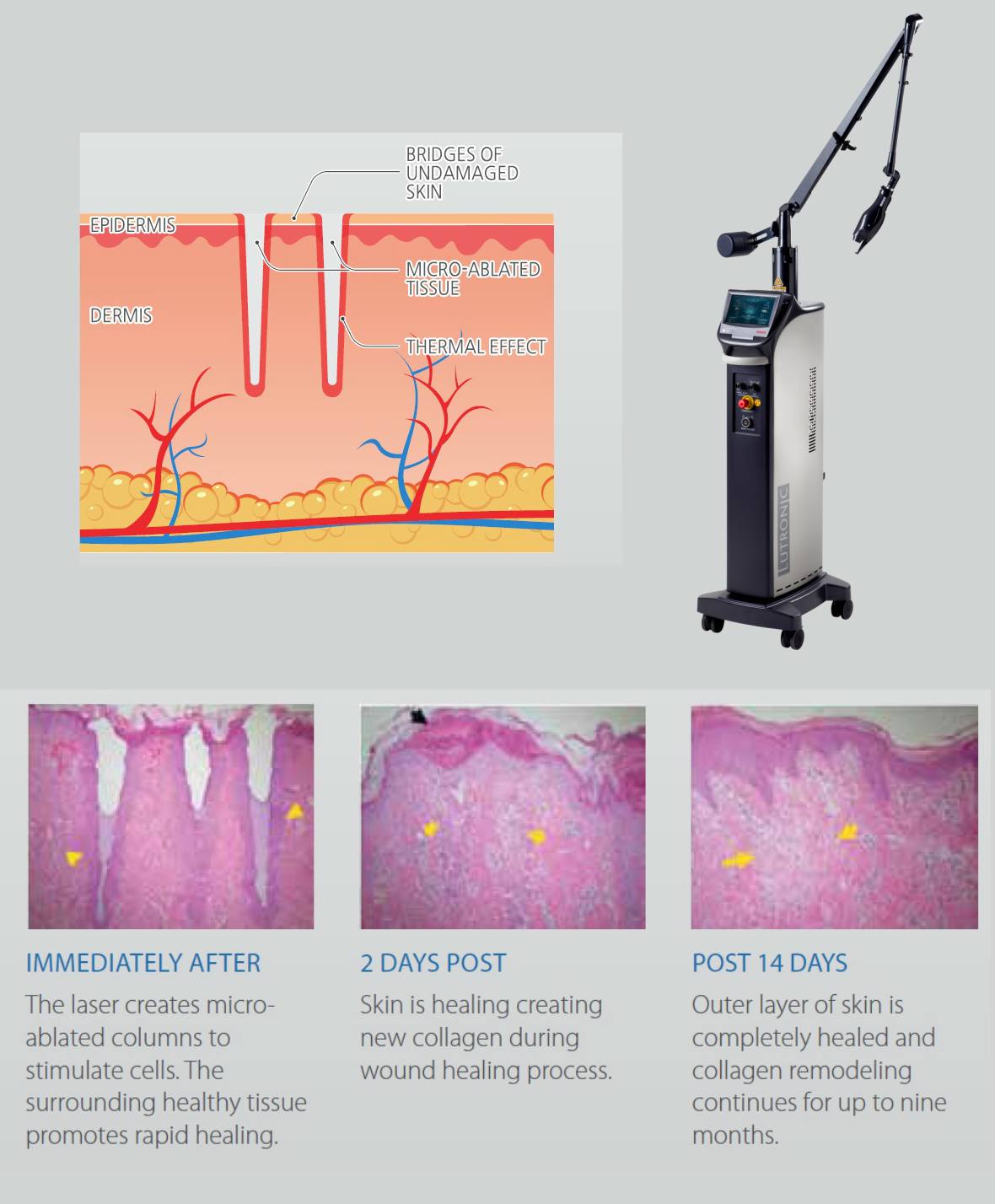
Fractional CO₂ laser therapy is widely regarded as a gold-standard, evidence-based solution for reducing the appearance of stretch marks. This advanced technology uses a fractionated laser beam to create thousands of microscopic columns of controlled thermal injury in the skin’s deeper layers, while leaving surrounding tissues intact. This targeted energy triggers the body’s natural wound healing response, stimulating robust production of new collagen and elastin—two essential proteins responsible for healthy, resilient skin.
By boosting collagen synthesis and promoting the remodelling of damaged skin fibres, fractional CO₂ laser treatment can help fade the colour of stretch marks, smooth out uneven texture, and improve overall skin tone. It is effective for both newly formed red or purple stretch marks (striae rubra) and older, silvery-white stretch marks (striae alba), making it suitable for a wide range of patients.
What to Expect During the Procedure:
A topical numbing cream is usually applied before the procedure to ensure comfort. The treatment itself involves passing the fractional CO₂ laser device over the targeted area, which may feel like a series of mild prickling sensations. Most sessions are completed within 15 to 30 minutes, depending on the size and number of areas treated.
Downtime and Recovery:
After treatment, patients can expect mild redness, swelling, and a sunburn-like sensation for a few days. Tiny scabs may form as the skin heals and rejuvenates. Most individuals resume normal activities within a few days, and visible improvement typically becomes apparent after several weeks, with continued enhancement over multiple sessions.
Safety and Results:
Fractional CO₂ laser therapy is clinically proven to be safe and effective when performed by an experienced doctor. With a series of treatments, studies show that patients may achieve up to 75% improvement in the appearance of stretch marks. Best results are seen with a tailored treatment plan based on your skin type, stretch mark severity, and personal goals.
If you are considering laser therapy for stretch marks, a thorough consultation with Dr Edwin Lim will help determine if you are an ideal candidate and what outcomes you can expect.

One of the most innovative approaches for improving stretch marks is the use of polynucleotide-based injectables, often referred to as “blue box PN injectable” or “Polynucleotide Scar” in aesthetic medicine. These advanced treatments deliver highly purified salmon DNA-derived polynucleotides directly into the skin, where they act as potent bio-stimulators to promote collagen regeneration and accelerate tissue repair.
Well-recognised for their role in treating acne scars, these injectables are also increasingly utilised for stretch marks—particularly when administered through a series of precise microinjections. The unique formulation targets damaged skin areas, stimulating natural healing processes to enhance texture, reduce the appearance of striae, and restore skin elasticity. Patients typically observe smoother, firmer, and more even-toned skin following a full treatment protocol.
High-Intensity Focused Ultrasound (HIFU) is a non-invasive treatment that delivers focused ultrasound energy into the deeper layers of the skin. This process creates precise thermal coagulation points, which activate the body’s natural healing response and stimulate new collagen production.
HIFU is primarily recognised for its skin tightening and lifting effects, making it a popular option for non-surgical facial and body rejuvenation. When used on stretch marks, HIFU can improve skin firmness and support collagen regeneration in areas where the skin has become lax or atrophic. This results in firmer, more resilient skin and may help reduce the textural irregularities associated with stretch marks.
While HIFU is not considered a first-line treatment for directly fading or removing stretch marks, it can provide a supportive benefit when combined with other modalities such as fractional lasers or collagen-stimulating injectables. Patients who wish to address both stretch marks and mild skin laxity may find HIFU a valuable addition to their overall treatment plan.

Not all stretch marks are the same—newer stretch marks often appear red or purple due to active blood vessels, while older or persistent stretch marks can look brown or hyperpigmented, especially in individuals with darker skin tones. Different laser technologies can be targeted to treat these colour variations effectively:
PICO Laser for Brown or Hyperpigmented Stretch Marks:
PICO laser utilises ultra-short bursts of laser energy to break down excess melanin within brown or darkly pigmented stretch marks. This helps lighten discolouration and creates a more even skin tone, making PICO laser an excellent option for older, brown-coloured stretch marks.
Yellow Laser for Red Stretch Marks (Pro Yellow Laser):
Red stretch marks, also known as striae rubra, indicate the presence of active blood vessels within the skin. The Pro Yellow Laser specifically targets these blood vessels, reducing redness and accelerating the natural fading process. This helps transition red stretch marks to a paler, less visible stage more quickly.
Both PICO and Yellow Laser treatments are doctor-led procedures that can be used alone or as part of a customised stretch mark treatment plan. They are safe, minimally invasive, and require little downtime, making them ideal options for those seeking visible improvement in the colour of their stretch marks.

Undergoing stretch mark treatment at our Singapore clinic begins with a thorough, doctor-led consultation. During this session, your skin type, stretch mark severity, and treatment goals will be carefully assessed. A personalised treatment plan will then be developed, tailored to your individual needs and the most suitable modalities—whether laser, collagen-stimulating injectables, HIFU, or a combination of therapies.
During the Procedure:
Most treatments, such as fractional laser, polynucleotide-based injectables, or HIFU, are performed in-clinic with minimal discomfort. For laser and injectable treatments, topical numbing cream is usually applied to ensure comfort. The procedures are generally well-tolerated, and the session duration will vary depending on the area and number of sites treated. You may experience sensations such as mild prickling, warmth, or slight pressure, but these are usually brief.
Aftercare and Recovery:
Post-treatment, you may experience mild redness, swelling, or tenderness in the treated areas, which typically resolve within a few days. Laser treatments may result in tiny scabs or a sunburn-like sensation, while injectable therapies might cause temporary pinprick marks or mild bumps. It is important to follow your doctor’s aftercare instructions, which may include moisturising, avoiding sun exposure, and refraining from strenuous activities for a short period.
Results and Follow-Up:
Most patients notice gradual improvement in the appearance and texture of their stretch marks over several weeks as collagen regeneration takes place. Multiple sessions are often recommended for optimal results. Regular follow-up appointments will allow your doctor to monitor your progress and adjust your treatment plan as needed.
With a doctor-led, evidence-based approach, you can expect safe, effective, and natural-looking improvements in your skin’s appearance and confidence.
Stretch mark treatments are suitable for most healthy individuals who wish to improve the appearance of their skin. The ideal candidate is someone who:
Both men and women, as well as individuals of all skin types and ages, can benefit from stretch mark reduction therapies. Treatments can be tailored for newly formed red or purple stretch marks, as well as older, silvery-white or brown stretch marks.
However, certain situations may require caution or temporary postponement of treatment. These include:
During your consultation, your doctor will carefully evaluate your skin condition, medical history, and treatment goals to determine the safest and most effective options for you. Customised protocols ensure that each patient receives a solution best suited to their unique needs.
While genetics and certain life events—such as pregnancy, puberty, or rapid weight changes—can make stretch marks unavoidable for some, there are several strategies you can adopt to help reduce the risk or severity of new stretch marks developing:
1. Maintain Healthy, Gradual Weight Changes
Rapid weight gain or loss increases the likelihood of skin stretching too quickly for collagen and elastin to adapt. Aim for steady, gradual changes in weight through a balanced diet and regular exercise.
2. Keep Skin Well-Hydrated
Moisturising your skin daily helps to support skin elasticity and resilience. Use creams or oils rich in ingredients like hyaluronic acid, ceramides, shea butter, or natural oils to lock in moisture and keep the skin supple.
3. Nourish Skin from Within
A diet high in vitamins C and E, zinc, and protein supports the natural production of collagen and elastin—key components for strong, flexible skin.
4. Protect Skin During Growth Spurts or Pregnancy
For pregnant women or adolescents experiencing rapid growth, applying a gentle, hydrating moisturiser to high-risk areas (such as the abdomen, hips, thighs, and breasts) may help minimise stretch mark formation.
5. Avoid Steroid Overuse
Long-term or high-dose use of corticosteroid creams or oral steroids can weaken the skin’s structure and increase susceptibility to stretch marks. Always use these medications under medical supervision.
6. Address Skin Concerns Early
If you notice the first signs of red or purple stretch marks, early intervention with doctor-recommended topical or in-clinic treatments may help improve outcomes and prevent progression.
While prevention is not always possible—especially when genetics or hormones are at play—these proactive measures can help maintain healthy, resilient skin and reduce your overall risk.
With so many available options, choosing the right stretch mark treatment in Singapore can feel overwhelming. To ensure safe, effective, and natural-looking results, it is important to select a clinic that prioritises evidence-based protocols and customises care to your unique skin needs.
1. Seek Doctor-Led, Personalised Assessments
Look for a clinic where consultations are performed by qualified medical doctors with experience in both laser and injectable stretch mark treatments. A thorough assessment should consider your skin type, the colour and age of your stretch marks, as well as your overall goals.
2. Comprehensive Range of Treatment Modalities
The best clinics offer a full spectrum of solutions, including advanced lasers (such as fractional CO₂, PICO, and yellow lasers), collagen-stimulating injectables (like Rejuran Scar or other PN-based therapies), and supportive options like HIFU for skin tightening. Combination protocols are often most effective for noticeable improvement.
3. Customised Treatment Plans
Every case of stretch marks is unique. Top clinics will develop an individualised plan that may involve one or more modalities, tailored for your specific concerns and lifestyle needs. Ask about the expected number of sessions, likely outcomes, and aftercare support.
4. Proven Safety and Track Record
Choose a clinic with a strong reputation for safety, excellent patient outcomes, and the use of HSA-approved devices and products. Patient testimonials, before-and-after photos, and doctor credentials can help guide your decision.
5. Transparent Pricing and Patient Support
A reputable clinic should provide clear information about treatment costs, potential side effects, and realistic expectations. Ongoing support and follow-up appointments are important for optimal results.
Ready to start your journey to smoother, more confident skin?
Book a consultation with our experienced team to receive a personalised stretch mark assessment and discover which evidence-based treatments are most suitable for your skin.