Contact Us

What Is Hormonal Acne?

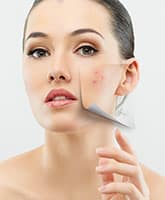
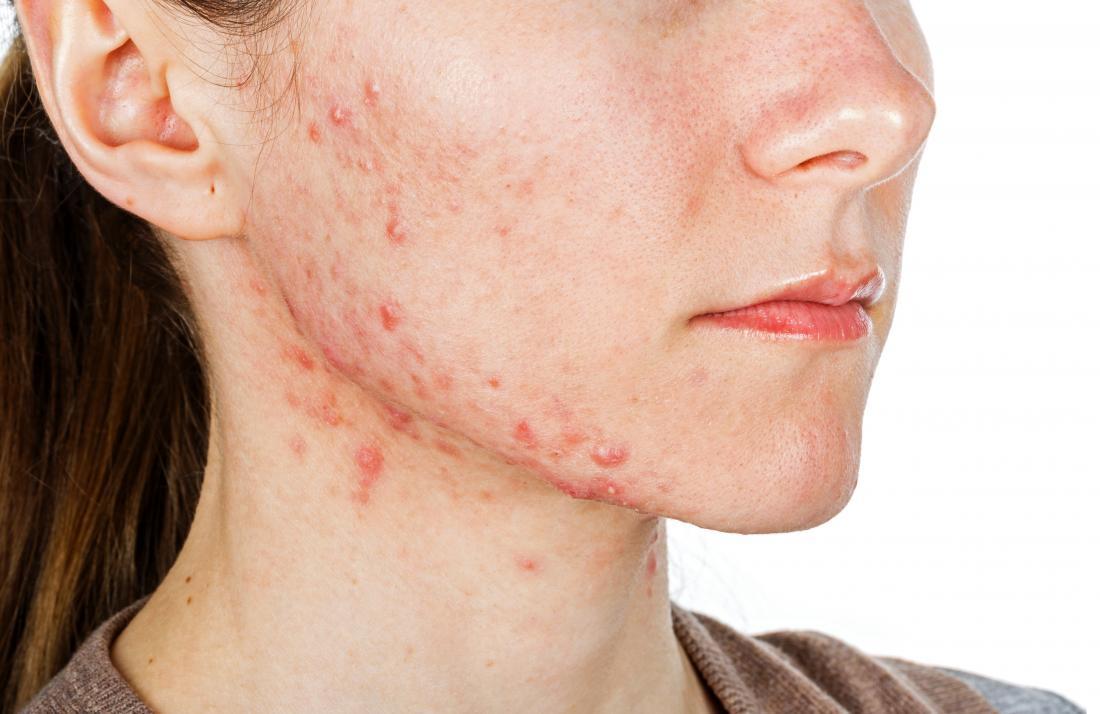
Hormonal acne is a common skin concern in Singapore, caused by fluctuations or imbalances in the body’s hormone levels. This type of acne often affects adults—especially women in their 20s, 30s, and 40s—and tends to appear as deep, painful pimples or cysts along the jawline, chin, and lower face.

The main cause of hormonal acne is an increase in androgens (such as testosterone), which stimulate the skin’s oil glands to produce more sebum. Excess oil, clogged pores, and acne-causing bacteria lead to stubborn and recurrent breakouts that may not respond well to regular over-the-counter products.

Hormonal acne is often cyclical, with flare-ups occurring around menstruation, pregnancy, periods of high stress, or other times of hormonal change. Both men and women in Singapore can be affected, though women are more commonly impacted due to monthly hormonal fluctuations.

If you experience persistent breakouts along the lower face, it may be a sign of hormonal acne. Consulting a doctor in Singapore can help ensure an accurate diagnosis and a personalised treatment plan that addresses the root hormonal causes. Early intervention is key to achieving clear, healthy skin and minimising the risk of acne scarring.

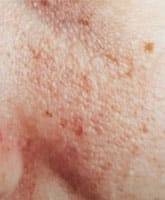
Hormonal Acne

What Causes Hormonal Acne?

Hormonal acne is triggered by changes in the body’s hormonal levels that affect the skin’s oil glands. Androgens, such as testosterone, play a significant role by stimulating the sebaceous glands to produce excess sebum. This excess oil can clog pores, providing an ideal environment for the growth of acne-causing bacteria and the development of inflammation.

In women, hormonal fluctuations are common during puberty, the menstrual cycle, pregnancy, and perimenopause. These hormonal shifts can lead to breakouts that are often concentrated along the jawline, chin, and lower cheeks. Conditions such as polycystic ovary syndrome (PCOS) and elevated stress levels can also worsen hormonal imbalances and trigger persistent or severe acne.

For men, hormonal acne may be influenced by puberty or underlying endocrine conditions that raise androgen levels. Lifestyle factors—such as poor sleep, stress, diet, and improper skincare—can further aggravate hormonal activity and increase the risk of breakouts.

Overall, hormonal acne is a result of the interplay between hormones, increased sebum production, clogged pores, and inflammation. Understanding these underlying causes is essential for developing an effective, targeted treatment plan.

Who Gets Hormonal Acne? (Risk Factors)

Hormonal acne can affect people of all ages, but certain groups are more prone due to specific hormonal changes and individual risk factors. Understanding these can help you determine if you are at higher risk and when it’s best to seek professional care.

Teenagers and Adolescents

Hormonal acne most commonly begins during puberty, when the body experiences a significant surge in androgen hormones. These changes stimulate the sebaceous glands to produce more oil, making teenagers—both boys and girls—more susceptible to acne breakouts on the face, chest, and back. Early intervention with the right skincare routine and professional guidance can help prevent more severe or persistent acne in this age group.

Adult Women

In Singapore, adult women are particularly affected by hormonal acne due to natural hormonal fluctuations. Acne breakouts can worsen during the menstrual cycle, pregnancy, post-pregnancy, and perimenopause. Underlying conditions like polycystic ovary syndrome (PCOS) are common contributors, as they cause persistent hormonal imbalances. Hormonal acne in women typically appears as deep, painful pimples along the jawline, chin, and lower face, and may not respond to standard treatments.

Adult Men

While hormonal acne is less common in adult men, it can still occur, particularly in their 20s and 30s. In men, elevated androgen levels—whether due to puberty, underlying endocrine disorders, or use of anabolic steroids—can trigger increased oil production and stubborn, cystic acne. These lesions often affect the jawline, chin, back, and chest, and may require a comprehensive, doctor-led approach. If you are an adult male with recurrent or severe breakouts, especially on the lower face, a professional assessment can help identify and address underlying hormonal causes.

Additional Risk Factors

Other risk factors that can increase the likelihood of hormonal acne include high stress levels, poor sleep, a diet high in refined sugars or dairy, genetic predisposition, and improper skincare practices. Chronic stress can raise cortisol and androgen levels, while poor dietary choices may further exacerbate hormonal fluctuations. Individuals with a family history of acne are also more likely to develop persistent hormonal breakouts. Identifying and modifying these risk factors, in combination with medical treatment, can significantly improve outcomes.

If you notice frequent, stubborn breakouts that do not respond to standard over-the-counter treatments, consulting a doctor is the best way to determine the underlying cause and develop a personalised treatment plan tailored to your needs.

Signs and Symptoms of Hormonal Acne

Recognizing the signs and symptoms of hormonal acne is essential for early diagnosis and effective treatment. While acne can take many forms, hormonal acne often has distinct features that set it apart from other types of breakouts.

Common Signs of Hormonal Acne

  • Deep, Painful Pimples or Cysts: Hormonal acne frequently presents as inflamed, tender lumps beneath the skin’s surface, often described as cysts or nodules. These lesions can be more painful and persistent than typical pimples.
  • Location Along the Lower Face: Breakouts are commonly concentrated along the jawline, chin, and lower cheeks. Some individuals may also experience acne on the neck, chest, or back.
  • Cyclical Flare-Ups: Hormonal acne tends to worsen at specific times, such as before menstruation, during pregnancy, or during periods of high stress. This cyclical pattern is a hallmark of hormone-driven breakouts.
  • Oiliness and Enlarged Pores: Increased sebum production can make the skin appear oilier and may lead to visibly enlarged pores in affected areas.
  • Delayed Healing and Scarring: Hormonal acne lesions are often slower to heal and have a higher risk of leaving behind pigmentation or acne scars, especially if not managed properly.

When to Seek Medical Advice

If you notice frequent, stubborn breakouts that do not respond to regular skincare products, or if your acne is causing pain, emotional distress, or scarring, it may be time to consult a doctor. Early medical intervention can help address the underlying hormonal triggers and reduce the risk of long-term complications, such as post-inflammatory hyperpigmentation or permanent scarring.

An experienced doctor can accurately diagnose hormonal acne, rule out other skin conditions, and create a personalised treatment plan to restore your skin’s health and confidence.

How Is Hormonal Acne Diagnosed?

Diagnosing hormonal acne involves a careful evaluation of your skin, medical history, and potential underlying factors contributing to persistent breakouts. A doctor in Singapore will begin by assessing the pattern, location, and severity of your acne. Hormonal acne is often suspected when breakouts are concentrated along the jawline, chin, and lower cheeks—especially in adult women or individuals with cyclical flare-ups.

Clinical Assessment

During your consultation, the doctor will ask about:

  • The onset and duration of your acne
  • Any links to menstrual cycles, pregnancy, stress, or other hormonal changes
  • Previous treatments tried and their effectiveness
  • Family history of acne or hormonal conditions

A visual examination helps distinguish hormonal acne from other types of acne or skin conditions. Your doctor will also look for signs of deeper, cystic lesions and any associated symptoms such as increased facial hair or irregular menstrual cycles, which may suggest underlying hormonal imbalances.

Laboratory Testing

In certain cases, laboratory tests may be recommended to identify possible hormonal abnormalities. These may include blood tests to check for levels of androgens, testosterone, estrogen, or other relevant hormones. Testing may be especially important for women experiencing symptoms of polycystic ovary syndrome (PCOS) or those with irregular periods.

When to See a Doctor

If your acne is persistent, worsening, or not responding to standard over-the-counter treatments, a professional diagnosis is essential. Early medical assessment can uncover hidden hormonal or metabolic issues and help you achieve faster, longer-lasting results with a tailored treatment plan.

A doctor-led approach ensures an accurate diagnosis and the most effective management for your unique skin needs.

Hormonal Acne Treatments

Effective management of hormonal acne requires a comprehensive, doctor-led approach that addresses the root hormonal triggers, reduces inflammation, and prevents long-term complications such as scarring or pigmentation. At our clinic, we offer evidence-based treatment plans tailored to your individual skin needs and hormonal profile.

Personalised Assessment and Treatment Plan

Every treatment journey begins with a thorough skin and medical evaluation. Understanding your unique hormonal patterns, lifestyle, and acne history allows us to create a targeted treatment strategy that maximises results and minimises side effects.

Oral Medications for Hormonal Acne

Oral Antibiotics (e.g., Doxycycline, Azithromycin)

Oral antibiotics such as doxycycline and azithromycin are commonly prescribed for moderate to severe hormonal acne, particularly when there is significant inflammation or infection. These medications reduce the population of acne-causing bacteria (Cutibacterium acnes) on the skin and help to decrease inflammation within the hair follicles.

Typically, oral antibiotics are used for a limited duration to minimise the risk of antibiotic resistance. They are often combined with topical treatments or other oral medications to maximise effectiveness and reduce the likelihood of acne recurrence.

Learn more about oral antibiotics here

Hormonal Medications For Women (e.g., Birth Control Pills, Spironolactone)

For women experiencing hormonal acne, certain oral contraceptives (birth control pills) can be effective in regulating the hormonal fluctuations that trigger breakouts. These medications work by balancing estrogen and progesterone levels, which in turn reduces the impact of androgens on the skin’s oil glands.

Spironolactone is another oral medication frequently used for hormonal acne in women. It acts as an anti-androgen, blocking the effects of male hormones on the sebaceous glands and lowering sebum production. Hormonal medications are particularly beneficial for adult women who experience persistent or cyclical acne, especially when symptoms worsen around menstruation.

Learn more about oral Spironolactone for hormonal acne treatment here

Oral Isotretinoin (Accutane)

Oral isotretinoin, sometimes referred to by its brand name Accutane, is a powerful option reserved for severe or treatment-resistant hormonal acne. This medication dramatically reduces the size and activity of sebaceous glands, resulting in a significant decrease in sebum production and long-term improvement in acne.

Isotretinoin is considered when other therapies have not produced satisfactory results. Due to its potential for serious side effects, including birth defects, isotretinoin must only be prescribed and closely monitored by an experienced doctor. Patients on isotretinoin require regular follow-up visits and blood tests throughout the treatment course to ensure safety.

Learn more about Oral Isotretinoin (Accutane) here

Pills

Topical Treatments for Hormonal Acne

Topical treatments are essential in managing hormonal acne, particularly for mild to moderate cases or as adjuncts to oral medications. These treatments target multiple acne-causing factors, including clogged pores, excess sebum production, inflammation, and bacterial overgrowth.

Doctor-Formulated Acne Skincare Range

At our clinic, we offer a specially curated Acne Skincare Range developed to complement in-clinic treatments and medical therapies. These doctor-formulated products are designed to target acne-prone skin, helping to control oil, reduce breakouts, and promote clearer, healthier skin.

Key Products and Their Benefits:

  • Comedone Control Complex:
    This lightweight serum contains natural botanical extracts that regulate sebum production and effectively reduce open pores, whiteheads, and blackheads. Its mild anti-inflammatory and antibacterial properties help combat acne-causing bacteria.
  • Anti Blemish Formula:
    A serum enriched with Azelaic Acid, Niacinamide, and a multi-herbal complex to kill acne-causing bacteria, minimise breakouts, regulate sebum, reduce inflammation, and accelerate healing of red acne marks.
  • Tri-Whitening C Serum:
    This rich Vitamin C serum is freshly activated for optimal absorption and efficacy. Combined with high potency Alpha-Arbutin, Niacinamide, Hyaluronate, and brightening plant extracts such as Licorice and Pomegranate, it helps lighten acne marks and post-inflammatory hyperpigmentation while stimulating collagen production to speed up the acne recovery process.
  • Ultra Light Hydrator:
    An aloe-based, water gel moisturiser fortified with plant extracts like Chamomile and Ginseng, along with Vitamins A, C, and E, to soothe, nourish, and revitalise the skin. This ultra-light moisturiser is ideal for acne-prone skin and helps accelerate recovery after breakouts.
  • Acne Spot Cream:
    A rapid-action spot treatment containing antibiotics and anti-inflammatory ingredients. It is quickly absorbed into the skin, penetrating deeply to kill acne-causing bacteria, reduce inflammation, and promote faster healing of acne lesions.

Incorporating these products into your daily skincare regimen can enhance the effectiveness of your acne treatment plan, providing targeted care to address specific skin concerns associated with hormonal acne.

Comedone Control Complex

In-Clinic Procedures for Hormonal Acne

For individuals with persistent or moderate to severe hormonal acne, in-clinic treatments provide targeted solutions that complement oral and topical therapies. At our clinic, we offer advanced medical facials and laser treatments designed to address active acne, reduce redness, and promote overall skin clarity.

Acne Medical Facials

Our signature Aquapure Medi-Facial, combined with OMEGA Blue LED light LED therapy , is specially formulated for acne-prone skin. This multi-step procedure incorporates medical-grade serums containing AHAs, BHAs, and other active ingredients to achieve comprehensive benefits, including:

  • Deep cleansing and exfoliation to clear clogged pores
  • Removal of excess sebum
  • Elimination of acne-causing bacteria
  • Reduction of skin redness and inflammation
  • Lightening of post-acne marks
  • Stimulation of collagen to support scar healing

The addition of OMEGA Blue LED light further enhances antibacterial action and helps calm sensitive or inflamed skin, making this treatment highly effective for ongoing acne management.

Aquapure

Acne Laser Treatments

We offer two specialised laser treatments to target different aspects of hormonal acne:

  • Acne Pro Yellow Laser:
    Utilising a unique 577nm wavelength, this laser targets and kills P. acnes bacteria, shrinks overactive sebaceous glands, and reduces persistent red acne marks (post-inflammatory erythema). The Pro Yellow Laser is ideal for patients struggling with both active acne and red post-acne marks.
  • Carbon Spectra Laser "Hollywood" Peel:
    This innovative laser treatment helps reduce sebum production, brighten overall skin tone, and kill P. acnes bacteria. It is particularly effective at lightening brown marks (post-inflammatory hyperpigmentation) that often follow acne breakouts. The Carbon Spectra Laser is suitable for those concerned with acne, oily skin, and uneven pigmentation.

Summary:

  • For acne with red marks, the Pro Yellow Laser is the preferred option.
  • For acne with brown marks, the Carbon Spectra Laser "Hollywood" Peel is recommended.

Combining these advanced in-clinic treatments with a doctor-led approach ensures safe, effective, and personalised care for patients struggling with hormonal acne.

Acne Pro Yellow Laser

Pimple Injection (Cortisone and Antibiotic Shot for Acne)

For painful, inflamed cystic pimples or acne nodules that require rapid improvement, we offer intralesional pimple injections. This targeted in-clinic treatment involves injecting a small amount of corticosteroid, sometimes combined with an antibiotic, directly into the acne lesion.

The cortisone quickly reduces inflammation and swelling, often leading to significant improvement within 24 to 48 hours. Antibiotic components may be added in cases of infection to further speed up healing and reduce the risk of complications.

Pimple injections are particularly suitable for:

  • Large, painful cysts or nodules
  • Breakouts that do not respond to standard therapies
  • Reducing the risk of scarring from severe lesions
  • Patients seeking fast improvement before important events

This procedure is safe, quick, and performed by an experienced doctor to ensure minimal discomfort and optimal cosmetic results. Early intervention with a pimple injection can also help prevent long-lasting pigmentation or scarring.

How Long Does It Take to See Results from Hormonal Acne Treatment?

The timeline for seeing visible improvements from hormonal acne treatment can vary based on the underlying cause, severity, and type of therapy used. Most patients start to notice a reduction in active breakouts within four to eight weeks after beginning oral medications or topical treatments. In-clinic procedures, such as medical facials or laser treatments, may deliver noticeable improvements in skin clarity and tone even sooner.

It’s important to remember that hormonal acne may take several months to fully stabilise, and maintenance therapy is often needed to prevent recurrence. Patience and consistency with your treatment plan, combined with regular follow-up appointments, are key to achieving and maintaining clear skin.

Can Hormonal Acne Be Prevented?

While hormonal fluctuations cannot always be fully controlled, there are steps you can take to reduce your risk of developing hormonal acne or to minimise flare-ups. Maintaining a consistent, non-comedogenic skincare routine, managing stress, eating a balanced diet, and getting adequate sleep all help support healthy skin and hormone regulation.

For individuals with a known tendency for hormonal breakouts, early intervention and preventive care under a doctor’s guidance can greatly reduce the frequency and severity of acne.

Hormonal Acne vs. Other Types of Acne: What’s the Difference?

Hormonal acne is primarily caused by internal hormonal fluctuations, while other types of acne may be triggered by factors such as clogged pores, bacteria, or external irritants. Hormonal acne often appears as deep, cystic lesions along the jawline, chin, and lower face, and tends to worsen cyclically (e.g., around menstruation or during periods of stress).

In contrast, comedonal acne typically presents as whiteheads or blackheads on the forehead and cheeks, while fungal or bacterial acne may appear as small, uniform bumps. Correctly identifying your acne type is essential for choosing the most effective treatment strategy—doctor-led assessment ensures a personalised and targeted approach.

Myths and Facts About Hormonal Acne

Myth: Only teenagers get hormonal acne.
Fact: Hormonal acne can affect adults of all ages, particularly women in their 20s, 30s, and 40s.

Myth: Poor hygiene causes hormonal acne.
Fact: Hormonal acne is not caused by being “unclean”—it’s linked to internal hormone levels, not external dirt or grime.

Myth: You should scrub your skin to get rid of acne.
Fact: Over-washing or harsh scrubbing can irritate the skin and make acne worse.

Myth: Dietary changes have no effect on hormonal acne.
Fact: While not the sole cause, certain dietary factors (like excessive sugar or dairy intake) may worsen acne in some people.

Myth: Hormonal acne will go away on its own.
Fact: Without targeted treatment, hormonal acne can persist for years and increase the risk of scarring or pigmentation.

Side Effects and Safety of Hormonal Acne Treatments

Most hormonal acne treatments are safe when prescribed and monitored by an experienced doctor. Oral medications, such as antibiotics or hormonal therapies, may occasionally cause side effects like gastrointestinal upset, menstrual changes, or, in rare cases, allergic reactions. Topical treatments may lead to temporary dryness, redness, or mild irritation as the skin adjusts.

In-clinic procedures are generally well-tolerated, but temporary redness or mild sensitivity may occur after facials or laser therapy. Oral isotretinoin requires careful monitoring due to potential risks, including dry skin, mood changes, and, for women, strict pregnancy prevention due to risk of birth defects.

Your doctor will provide a thorough explanation of all possible risks and guide you through safe, evidence-based treatments, adjusting your plan as needed for comfort and effectiveness.

Diet and Hormonal Acne: Is There a Link?

Diet alone is not usually the sole cause of hormonal acne, but research suggests that certain foods may influence hormonal activity and skin health. Diets high in refined sugars, dairy products, or highly processed foods can exacerbate hormonal imbalances in susceptible individuals.

Conversely, a balanced diet rich in vegetables, fruits, lean proteins, and omega-3 fatty acids can support hormonal regulation and improve overall skin condition.

While not every patient will need to change their diet, discussing your eating habits with your doctor can help identify possible triggers and develop a holistic approach to acne prevention and treatment.

Skincare and Lifestyle Advice for Hormonal Acne

A holistic approach to hormonal acne goes beyond medical treatments alone. Making positive changes to your skincare routine and lifestyle can greatly enhance your results, reduce the frequency of breakouts, and support long-term skin health.

Skincare Tips for Acne-Prone Skin

  • Gentle Cleansing:
    Use a mild, non-comedogenic cleanser twice daily to remove excess oil, dirt, and impurities without stripping the skin. Avoid harsh scrubs that may irritate or worsen inflammation.
  • Moisturise Regularly:
    Even oily or acne-prone skin needs hydration. Choose a lightweight, oil-free moisturiser to maintain the skin barrier and prevent overproduction of sebum.
  • Sun Protection:
    Apply a broad-spectrum sunscreen daily. Some acne medications can make your skin more sensitive to sunlight and increase the risk of pigmentation.
  • Targeted Skincare Products:
    Incorporate products with proven acne-fighting ingredients such as salicylic acid, benzoyl peroxide, niacinamide, and azelaic acid. Avoid pore-clogging or heavily fragranced products.
  • Consistency Is Key:
    Stick to a consistent routine and allow time for treatments to work. Avoid frequently switching products or overusing multiple actives at once.

Lifestyle Modifications for Better Skin

  • Manage Stress:
    Chronic stress can trigger hormonal fluctuations and worsen acne. Adopt stress-management techniques such as mindfulness, regular exercise, or meditation.
  • Dietary Considerations:
    Maintain a balanced diet, limit intake of high-glycaemic foods and dairy products, and consume more fruits, vegetables, and foods rich in omega-3 fatty acids. While diet alone does not cause acne, some foods may exacerbate hormonal breakouts in susceptible individuals.
  • Adequate Sleep:
    Prioritise quality sleep, as poor sleep patterns can disrupt hormone balance and increase inflammation.
  • Avoid Picking or Squeezing Pimples:
    This can worsen inflammation, increase the risk of scarring, and prolong healing.

By combining doctor-led medical treatments with the right skincare and lifestyle choices, you can achieve clearer skin and reduce the risk of future hormonal acne flare-ups. Your doctor can provide further guidance on product selection and holistic strategies tailored to your unique needs.

Frequently Asked Questions (FAQ) About Hormonal Acne Treatment in Singapore


How Do I Find the Best Hormonal Acne Treatment in Singapore?

Choosing the right clinic for hormonal acne treatment in Singapore is an important step toward achieving clear and healthy skin. Not all clinics offer the same range of treatments, expertise, or approach to care. To ensure your hormonal acne is managed safely and effectively, look for a clinic that:

  • Specialises in Acne Management:
    Select a clinic with extensive experience in diagnosing and treating all types of acne, including hormonal acne in adults and teenagers.
  • Doctor-Led Personalised Care:
    Ensure that your assessment and treatment are led by a qualified doctor who can tailor therapies to your unique hormonal profile and skin needs.
  • Comprehensive Treatment Options:
    The best clinics offer a wide range of solutions, including oral medications, topical therapies, medical facials, laser treatments, and pimple injections—all under one roof.
  • Evidence-Based, Individualised Plans:
    Look for clinics that provide clear information on available treatment options, expected outcomes, and possible side effects before starting therapy.
  • Ongoing Support and Follow-Up:
    Effective hormonal acne management often requires regular review and adjustments. Choose a clinic that offers consistent follow-up and ongoing support throughout your treatment journey.

Reading patient reviews, verifying doctor credentials, and arranging a consultation can further help you make an informed choice. By selecting a reputable, doctor-led clinic, you can trust that your hormonal acne will be treated with the highest standards of safety and professionalism.

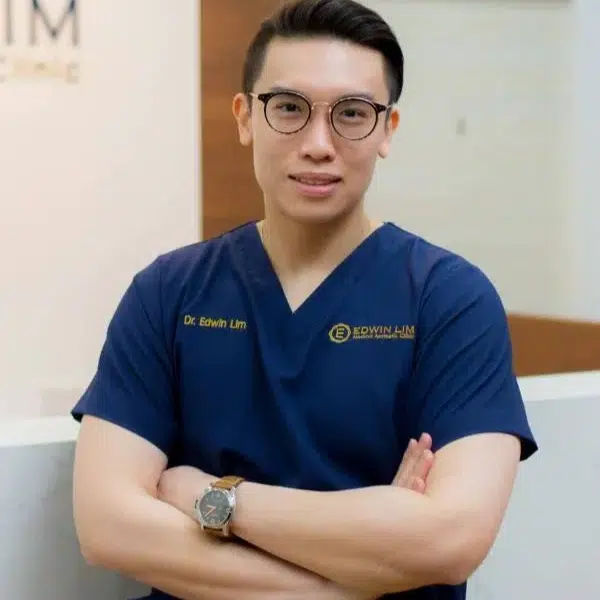
Dr Edwin Lim

MBBS (Singapore), MRCS (Edinburgh), PgDip Practical Dermatology (Cardiff), MSc Practical Dermatology (Cardiff), Diploma in Aesthetic Medicine, (AAAM), Accredited by the Aesthetic Dermatology Educational Group (ADEG)
Devoted to Beauty
Achieved through Science
This article has been medically reviewed by Dr Edwin Lim
Dr Edwin has a fond interest in Aesthetic injectable procedures such as Fillers, Skinboosters and Botox. He is passionate about enhancing one's beauty by delivering natural looking results with well placed injections.

The care you deserve

The Results You Want

Achieve your goals with Dr Edwin Lim
+65 9637 2218
© 2025 Edwin Lim Medical Aesthetic Clinic